Ready to transform your daily routines into lasting habits? The secret often lies not in sheer willpower, but in intelligent design and clear visualization. That’s where creative habit tracker ideas come in. These simple, yet profoundly effective tools turn abstract goals into tangible progress, helping you build better daily habits one checkmark at a time. Far from being rigid taskmasters, a well-designed habit tracker acts as a silent coach, celebrating your wins and gently nudging you back on track when life inevitably throws a curveball.
At a Glance: Your Guide to Powerful Habit Tracker Ideas
- Discover diverse
habit tracker ideasfor every area of life, from wellness to finances. - Learn how to tailor trackers for maximum engagement and personal motivation.
- Uncover actionable strategies to integrate tracking seamlessly into your routine.
- Understand the key psychological benefits of visualizing your progress.
- Find clear answers to common questions and challenges in habit tracking.
Why Visualizing Progress Works: The Core Benefits of Tracking
Before diving into specific habit tracker ideas, it’s crucial to grasp why these tools are so powerful. They’re not just glorified to-do lists; they tap into fundamental psychological principles that drive consistent action and self-improvement.
Accountability Beyond Guilt
A habit tracker increases personal responsibility without the burden of guilt. Seeing an empty box encourages you to act, not out of fear, but out of a desire for completion and a commitment to yourself. This visual cue can dramatically reduce procrastination, transforming vague intentions into concrete actions.
Motivation Through Visible Wins
Humans thrive on progress. Each completed box on your tracker is a small win, a visible testament to your effort. This consistent stream of positive reinforcement, whether daily, weekly, or monthly, fuels motivation. It transforms the often-abstract goal of “being healthier” into concrete steps like “drank 8 glasses of water” or “exercised for 30 minutes,” making the journey feel achievable and rewarding.
Unlocking Self-Awareness
Trackers offer a unique window into your behavior patterns. By consistently marking off habits, you begin to notice correlations: perhaps you skip your morning run after late-night screen time, or you consistently hit your water goal on days you plan your meals. This self-awareness is invaluable, allowing you to identify strengths, pinpoint weaknesses, and make informed adjustments to your environment or routine, rather than simply relying on guesswork.
Beyond the Basics: Tailoring Your Habit Tracker Ideas
The beauty of habit trackers lies in their versatility. There isn’t a one-size-fits-all solution; instead, the best habit tracker ideas are those you customize to your unique needs, goals, and even aesthetic preferences.
Themed Trackers for Holistic Growth
Think beyond just “did it” or “didn’t do it.” Themed trackers allow for a more nuanced and category-specific approach, turning abstract life goals into trackable actions.
- Wellness & Self-Care: These trackers are excellent for cultivating a healthier lifestyle. Imagine a “Healthy Month Tracker” where you log daily steps, water intake, vitamins, hours of sleep, minutes of stretching, and whether you prepared healthy meals. A separate “Meditation Tracker” could record daily sessions, duration, or even specific meditation apps used. For a beauty routine, you might track daily skincare steps, weekly masks, or even a monthly hair treatment. Women often find period, ovulation, or migraine trackers invaluable for understanding their body’s cycles and patterns.
- Creative Pursuits: Nurturing creativity can be challenging amidst daily demands. A creativity tracker can be incredibly inspiring. You might use a checklist to track “10 minutes of creative flow,” “sketching practice,” “writing session,” or “new idea generated.” For larger projects, track progress on a specific artwork, a chapter written, or a new collage started. The goal is consistent engagement, not just finished products.
- Financial Fitness: Money habits are crucial for long-term security.
Habit tracker ideasfor finances range from a “No-Spend Day” calendar to a detailed “Monthly Spending Log” for specific categories. You could track daily savings contributions, weekly bill payments, or progress towards a specific debt payoff goal. A simple checklist for reviewing your budget weekly or checking investment performance monthly can build robust financial discipline. - Spiritual & Personal Development: For those seeking deeper meaning or personal growth, trackers can provide grounding. This might include a “Gratitude Journaling” tracker, a checklist for reading specific Bible chapters or spiritual texts, or tracking daily affirmations. Even simply logging “15 minutes of quiet reflection” can foster consistency in spiritual practices.
- Home & Project Management: Large tasks often feel overwhelming. Habit trackers help break them down. For example, a “Spring Cleaning Zone Tracker” could list specific areas of your home to tackle each day. A “Home Upkeep Tracker” might include monthly tasks like changing air filters, checking smoke detectors, or performing minor repairs. Project-based trackers for work or personal goals (e.g., “Write 500 words,” “Research market trends,” “Outline Chapter 2”) make daunting objectives feel manageable.
- Caregiving Responsibilities: Parents and pet owners often juggle a multitude of tasks. Trackers can simplify daily routines. For babies, consider tracking feeding times, diaper changes, sleep schedules, or even height and weight milestones. For pets, you might log walks, medication doses, grooming sessions, or vet appointments. These provide invaluable data and peace of mind.
Frequency-Based Habit Tracking: From Daily Rituals to Yearly Milestones
Habits aren’t just daily occurrences; they operate on various cycles. Structuring your trackers by frequency helps align them with your natural rhythms.
- Daily Wins That Compound: These are the bedrock of any successful habit-building journey. Simple, repeatable actions that, over time, yield significant results.
- Examples: Journaling for 5 minutes, taking a morning or evening walk, 10 minutes of meditation, drinking 8 glasses of water, cooking a healthy meal, reading a chapter of a book, stretching/yoga, reviewing your to-do list, practicing gratitude, a quick 10-minute clean-up. Each checkmark builds momentum.
- Weekly Rhythms for Structure: These habits often require more time and planning but are essential for maintaining order and progress.
- Examples: Meal planning/prep, grocery shopping, laundry, family meetings, garbage/recycling, personal finance review, attending a fitness class, scheduling social events, dedicated self-care time (e.g., a long bath, massage), tackling project deadlines, a thorough house cleaning, calling friends/family, updating goals, planning the week ahead, reflecting on the past week.
- Monthly Milestones for Momentum: These are typically less frequent but crucial for long-term planning and course correction.
- Examples: Budget review, paying all bills, checking savings/investment progress, routine health check-ups, deep cleaning a specific area of the house, setting new monthly goals, seasonal home maintenance (e.g., checking gutters, dusting high shelves), recognizing birthdays/anniversaries, reviewing subscription renewals, networking, participating in monthly challenges, reviewing a vision board, planning events, monthly reflections, setting intentions.
For a deeper dive into the specific kinds of habits you might want to cultivate, explore our comprehensive guide on What to track in your journal. It offers an extensive framework for identifying and categorizing the habits that will best serve your personal growth. - Yearly Pillars for Long-Term Vision: These are often significant, once-a-year tasks that anchor your long-term goals and ensure you’re on track for major life events.
- Examples: Annual goal-setting and review, tax preparation, health/dental check-ups, vehicle maintenance, reviewing home insurance/property taxes, vacation planning, documenting personal/professional achievements, reviewing growth milestones, updating emergency contacts, seasonal wardrobe rotation, planning major home improvements, charitable giving, deep self-reflection, updating legal documents, and strategic planning for the upcoming year.
Designing Your Tracker: Visual Styles and Practical Layouts
The visual appeal and functionality of your tracker play a huge role in its consistent use. The right design makes tracking feel less like a chore and more like an engaging part of your day.
Minimalist Grids for Clarity
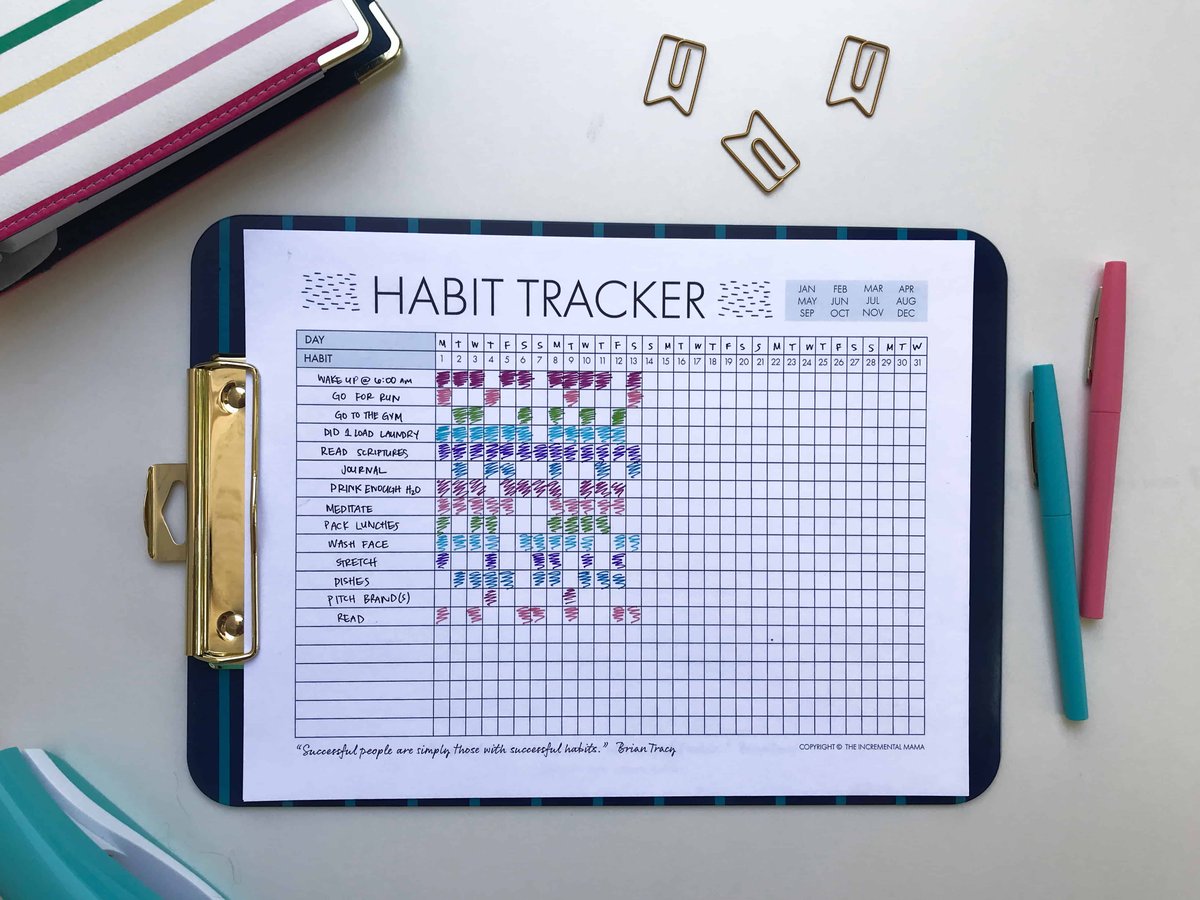
Sometimes, less is more. A simple grid layout, often found in bullet journals, allows you to list habits down one side and dates across the top. Each intersection is a box to check. This style is incredibly efficient, easy to create, and perfect for tracking multiple daily habits without visual clutter. It focuses purely on completion, making progress undeniable.
Calendar-Based for Quick Overviews
A calendar format is intuitive and excellent for habits tied to specific days or for quickly spotting patterns across weeks and months. You can use a full-page monthly calendar where each day’s square is a mini-tracker for 1-3 habits, or a “year at a glance” tracker where each tiny square represents a day, and you fill it in with a color or symbol for a completed habit. This provides an immediate visual of your consistency.
Circular & Themed Designs for Engagement
To inject more fun and personalization, consider creative designs.
- Circular/Mandala Trackers: These often radiate outwards from a center point, with segments or petals representing days. Filling them in creates a beautiful, symmetrical pattern.
- Themed Trackers: Imagine a “cloudy day” tracker where you color in a cloud for each day you practice mindfulness, or a “flower growth” tracker where petals bloom with each healthy meal. A “cake slices” tracker for a 30-day challenge can have you coloring in a slice for each day completed. These themed designs turn tracking into a creative, satisfying activity, boosting engagement significantly.
Digital vs. Analog: Choosing Your Medium
The choice between a physical notebook and a digital app depends entirely on your preferences and lifestyle.
- Analog (Pen & Paper): Offers a tactile experience, allows for creative customization (drawing, stickers, colors), and can be less distracting than a phone. It’s often preferred for the mindful act of writing things down.
- Digital (Apps): Provides convenience, reminders, analytics, and portability. Many apps offer built-in templates and can automate certain tracking elements. They’re great for those who are always on their devices and appreciate data-driven insights. The best approach might even be a hybrid, using a digital tool for basic daily check-ins and a physical journal for deeper reflections.
Implementing Your Habit Tracker Ideas: A Practical Playbook
Having a brilliant habit tracker idea is one thing; making it stick is another. Here’s how to put your ideas into practice effectively.
Start Small, Scale Smart: The 1-2 Rule
One of the biggest pitfalls is trying to track too many habits at once. When you’re just starting, choose only 1 or 2 habits that you genuinely want to cultivate. This reduces overwhelm and increases your chances of success. Once those habits are firmly established (typically after 3-4 weeks of consistent tracking), then consider adding one or two more. This gradual scaling builds confidence and prevents burnout.
Customize for Engagement: Making It Yours
Your tracker should feel like a personal tool, not a generic form. If you love color, use it! If you prefer minimalism, keep it sleek. Add motivational quotes, doodle, use stickers, or choose a design that sparks joy. The more you enjoy looking at and interacting with your tracker, the more likely you are to use it consistently. It’s not about perfection; it’s about personalization.
Leverage Triggers and Rewards
Integrate your tracking into existing routines. For example, if you track “drinking water,” place your tracker next to your water bottle. If you track “meditation,” make checking it off part of your post-meditation wind-down. For an extra boost, consider small, non-food rewards for streaks (e.g., after 7 days of consistency, buy a new book; after 30 days, enjoy a movie night). The reward reinforces the positive loop.
Review and Adapt: Your Tracker is Dynamic
Your life changes, and so should your tracker. Regularly review your progress (e.g., weekly or monthly). Are you consistently skipping a particular habit? Perhaps it’s too ambitious, or it doesn’t align with your current priorities. Don’t be afraid to adjust, remove, or add habits. Your tracker is a living document designed to serve you, not the other way around.
Case Snippet: Sarah’s Morning Routine Makeover
Sarah wanted to start her mornings with less stress and more intention. Instead of a generic “morning routine” entry, she broke it down using a small, daily grid tracker: “Hydrate (16oz),” “5-min Stretch,” “10-min Journal,” and “Review Top 3 Tasks.” She kept this minimalist tracker right next to her bed. The simple act of checking off each item as she completed it created a satisfying cascade of small wins. After a month, she felt more in control and slowly added “20-min Walk” as her next habit, confident in her established tracking system.
Quick Answers to Common Habit Tracking Questions
Navigating the world of habit tracking can bring up a few common concerns. Here are some quick answers to clear up misconceptions.
Q: How many habits should I track at once?
A: Start with 1-2 habits. While it’s tempting to overhaul your entire life at once, focusing on a few key behaviors drastically increases your chances of long-term success. Once these are solid, you can gradually add more.
Q: What if I miss a day (or several)?
A: Don’t let a missed day derail you. The “all or nothing” mindset is a habit killer. Instead, embrace the “never miss twice” rule. If you miss one day, make sure you get back on track the very next day. A habit tracker is a tool for progress, not a judgment system. Just mark the day, reflect briefly on why you missed, and move forward.
Q: How long does it take for a habit tracker to work?
A: Habit formation is highly individual, but research suggests anywhere from 18 to 254 days for a habit to become automatic. A tracker helps bridge that gap by providing consistent visual reinforcement and accountability during the crucial initial phase. You’ll likely see motivational benefits within a few days to weeks.
Q: Should I track negative habits?
A: Generally, it’s more empowering to track positive replacement habits rather than focusing solely on negative ones. For example, instead of tracking “didn’t eat junk food,” track “ate a healthy snack.” The focus shifts to what you are doing to improve, rather than what you’re trying to avoid. However, if a specific negative habit (like “no-spend days” or “screen-free hours”) has a clear positive opposite outcome, tracking it can be very effective.
Q: Digital vs. physical trackers – which is better?
A: Neither is inherently “better”; the best choice is the one you’ll actually use consistently. Digital trackers offer convenience, reminders, and data analysis. Physical trackers provide a tactile experience, creative freedom, and can be less distracting. Try both to see what resonates most with your personal style and workflow.
Your Next Step: Building a Habit Tracker That Works for You
You’re now armed with a wealth of habit tracker ideas and practical strategies. The most important step is to translate this knowledge into action. Don’t wait for the perfect moment or the perfect tracker.
- Choose 1-2 Habits: Pick one daily habit and perhaps one weekly habit that you genuinely want to integrate into your life. Keep them small, specific, and achievable.
- Select a Tracker Style: Based on your personality and goals, decide whether a minimalist grid, a vibrant calendar, or a themed design in a digital app or a physical notebook would be most engaging for you.
- Commit to Consistency, Not Perfection: The goal is not a perfectly filled tracker, but consistent effort and valuable self-awareness. Every checkmark is a win, and every missed day is an opportunity to learn and reset.
Start today. Your journey to better habits begins with that first intentional mark on your tracker.

Through this website, I share simple, science-backed tips for low impact health whether it's gentle fitness routines, stress-free wellness habits, or eco-friendly lifestyle changes. My goal is to make healthy living more accessible, sustainable, and kind to both our bodies.
- Healthy Eating Habits to Fuel Your Body for Lasting Vitality - May 9, 2026
- Inspirational Health Related Sayings for Your Best Self - May 8, 2026
- Healthy Mind Quotes for Cultivating Peace and Mental Strength - May 7, 2026