Feeling stuck in a loop, doing the same things and expecting different results? Or perhaps you know you want to grow, but the sheer volume of “good habits” out there leaves you paralyzed by choice. The truth is, tracking your daily actions isn’t just about ticking boxes; it’s about making conscious choices that compound over time, revealing your potential. The key isn’t to track everything, but to strategically identify the habits to track that genuinely align with your vision of your best self. This focused approach transforms scattered intentions into a powerful engine for daily progress.
At a Glance: Crafting Your Habit Tracking Strategy
- Beyond the Basics: Understand how to select habits that truly resonate with your personal growth goals, not just generic “good” habits.
- The Power of Small Wins: Discover the “tiny habits” approach for building sustainable routines that stick.
- Holistic Growth: Explore categorized examples of habits across wellness, productivity, finance, relationships, and personal development.
- Choosing Your Tracker: Learn how to pick the right method—digital or analog—that fits your lifestyle and maximizes consistency.
- Overcoming Setbacks: Gain practical strategies for staying motivated and restarting when you inevitably miss a day.
The Foundation: Why Tracking Matters More Than You Think
Before diving into which habits to track, let’s briefly anchor on the immense power of the practice itself. Habit tracking isn’t a fad; it’s a proven method to cultivate self-awareness and intentional living. By logging your daily actions, you create a tangible record of your commitment, shining a light on patterns you might otherwise miss.
This simple act cultivates accountability, making it harder to ignore your goals. It provides visual motivation, as streaks inspire continued effort, and it’s a powerful tool for self-development, revealing both your strengths and areas needing attention. Over time, these small, consistent actions integrate into automatic daily routines, streamlining your life and freeing up mental energy for higher-level thinking. The journey from a new action to an automatic habit typically takes around 66 days, underscoring the importance of sustained, deliberate effort.
Beyond the Obvious: Selecting Habits That Define Your Best Self
It’s easy to pick generic habits like “drink water” or “exercise.” While valuable, unlocking your best self requires a more introspective approach. Your best self isn’t a static image; it’s a dynamic evolution. The habits you choose to track should be the micro-actions that build towards that unique, aspirational version of you.
Consider your core values and long-term aspirations. Do you value peace of mind? Then meditation or gratitude journaling might be priority habits. Is creativity important? Perhaps daily sketching or writing. The most impactful habits are those “tiny habits” that directly feed into these bigger goals, making them feel less overwhelming and more achievable.
The “Tiny Habits” Advantage: Starting Small, Sustaining Big
One of the biggest mistakes people make when starting to track habits is trying to do too much, too soon. This often leads to burnout and abandonment. The “tiny habits” philosophy, popularized by Dr. B.J. Fogg, advocates for starting with incredibly small, almost effortless actions that you can consistently perform.
Think of it this way: instead of “exercise for 30 minutes,” try “put on workout clothes.” Instead of “read for an hour,” try “read one page.” The goal here isn’t the grand accomplishment on day one, but rather building the consistency and identity of someone who performs that action. Once the tiny habit is ingrained, you can naturally scale it up. This strategy vastly increases your chances of forming lasting habits because it bypasses willpower and focuses on making the action as easy as possible.
Categorizing Your Growth: Habits to Track Across Life’s Domains
To help you identify your personalized list, let’s explore a comprehensive range of habits, broken down by life area. Remember, this isn’t a checklist to complete, but a menu from which to select what resonates most with your journey to your best self. For a broader exploration of how different types of habits can integrate into your journaling practice, and to see the various methodologies for tracking, you might find more general context and inspiration in What habits to track.
1. Physical Vitality & Wellness
These habits are the bedrock of energy, health, and mental clarity. Without a healthy body, sustaining other areas of growth becomes significantly harder.
- Hydration: Drink X glasses of water daily.
- Nutrition: Eat X servings of vegetables/fruit per meal/day, avoid sugar/soda.
- Movement: Walk 10,000 steps, stretch 5 minutes, exercise 30 minutes.
- Sleep: Get 7-9 hours of sleep, maintain a consistent bedtime/wake-up time.
- Hygiene & Care: Floss, shower, brush teeth, apply skincare/sunscreen.
- Supplements: Take daily vitamins/supplements.
- Mindful Eating: Eat a healthy breakfast, eat one distraction-free meal.
2. Mental Clarity & Emotional Resilience
Cultivating a strong mind and emotional balance is crucial for navigating daily challenges and fostering inner peace.
- Mindfulness: Meditate 5-10 minutes, practice deep breathing.
- Gratitude: Write down 3 things you’re grateful for.
- Reflection: Journal thoughts/emotions, write a short reflection each night.
- Positive Affirmations: Practice positive affirmations daily.
- Screen Detox: Unplug from screens an hour before bed, limit social media use, have screen-free time.
- Nature Connection: Spend 15 minutes outside.
- Emotional Regulation: Avoid negative conversations/gossip, smile more, laugh.
3. Productivity & Intentional Action
These habits help you manage your time effectively, reduce procrastination, and ensure you’re working on what truly matters.
- Planning: Plan the day, set 3 priority tasks, write in planner/calendar.
- Routine: Follow a consistent morning routine, accomplish something to start the day.
- Organization: Organize workspace, make bed, declutter a space/item, do laundry/dishes, take out trash.
- Focus: Check emails at designated times, limit social media use.
- Goal Review: Review goals weekly, finish daily to-do list, complete a daily task goal.
4. Financial Foresight & Career Advancement
Taking control of your finances and actively developing your career skills are vital for security and long-term ambition.
- Budgeting: Track daily spending, set a budget for groceries/dining.
- Saving/Investing: Save a specific percentage of income, invest a set amount.
- Debt Management: Track debt/mortgage repayments.
- Financial Literacy: Read financial education materials.
- Career Skills: Learn a new career skill, apply for new jobs.
- Mindful Spending: Avoid impulse purchases (e.g., 24-hour rule).
5. Relational Richness & Social Connection
Nurturing your relationships brings joy, support, and a sense of belonging.
- Connection: Call/text a loved one daily, schedule a weekly check-in with a friend.
- Appreciation: Express appreciation daily, give a genuine compliment daily.
- Boundaries: Set boundaries, say no to commitments that don’t align with priorities.
- Quality Time: Plan a date night/social outing weekly, be intimate/kiss partner, play with kids, spend time with a pet.
- Community: Volunteer/contribute monthly, perform a random act of kindness.
6. Home Harmony & Personal Space
A well-maintained and organized living space can significantly reduce stress and enhance your overall well-being.
- Cleaning: Clean the bathroom/kitchen/car, wash sheets.
- Maintenance: Water plants.
- Cooking: Cook a meal, try a new recipe, cook with existing ingredients.
- Organization: Organize a specific space.
7. Lifelong Learning & Creative Expression
These habits fuel curiosity, expand your horizons, and provide outlets for self-expression.
- Reading: Read 20 minutes daily (or X pages).
- Learning: Learn one new thing daily, practice a new skill (e.g., piano lessons).
- Creative Outlets: Create something new (craft, art, music, writing, try a new hairstyle).
- Mindful Consumption: Listen to a motivational podcast, listen to music, watch movies/TV series (consciously).
- Study: Homework, study, Bible reading.
Crafting Your Personalized Habit Tracker: What Fits You?
The “best” habit tracker isn’t a universally acclaimed app or journal; it’s the one you’ll actually use. Your choice should reflect your lifestyle, preferences, and the complexity of the habits you’re tracking.
- Paper-Based Trackers (Bullet Journals, Planners, Printables):
- Pros: Highly customizable, tactile experience, encourages reflection and creativity. Bullet journals, in particular, combine planning, reflection, and tracking into a single, flexible system. The act of physically marking off a habit can be incredibly satisfying.
- Cons: Requires manual effort, can be less convenient for on-the-go tracking.
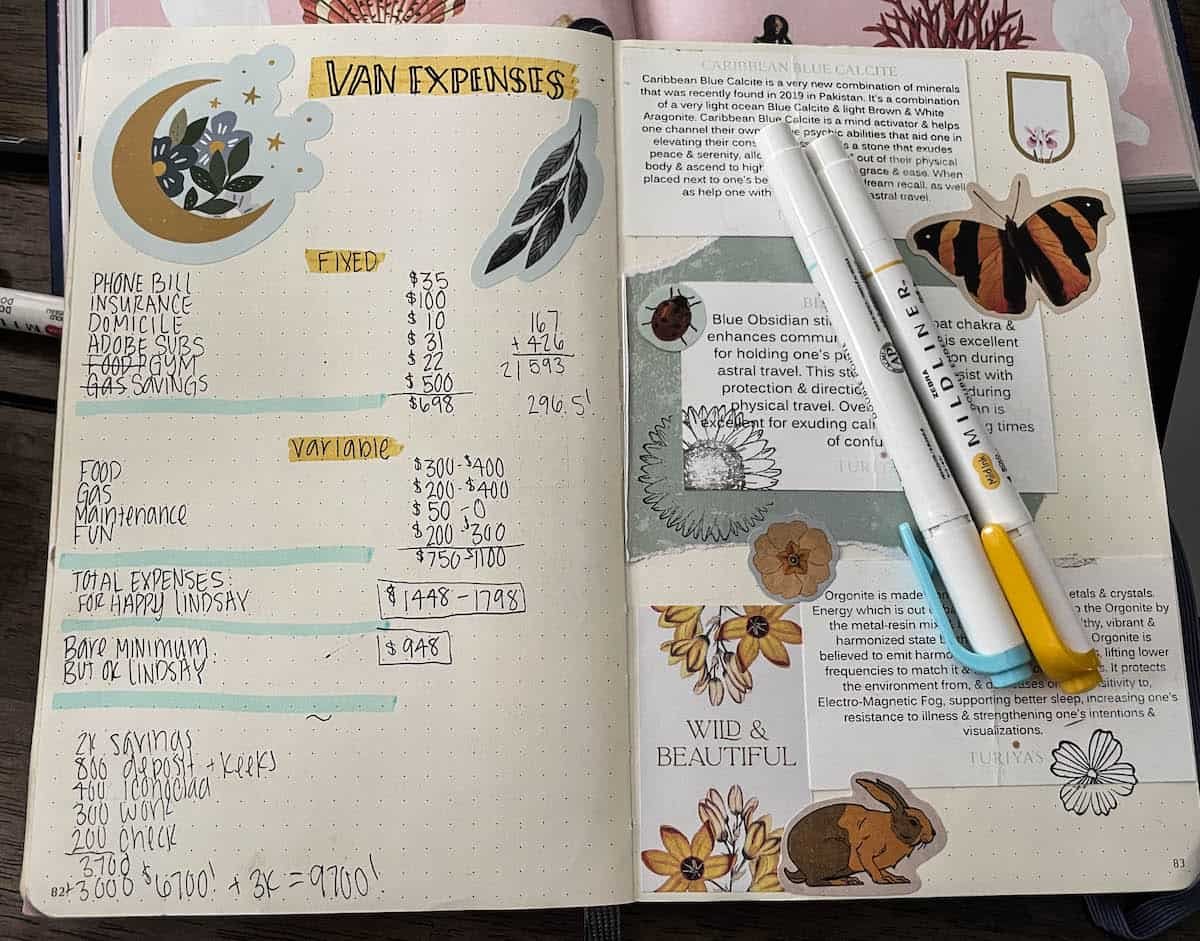
- Visual Ideas: Calendar layouts, themed designs (moon, mandala, gingerbread), grid systems, or even creative drawings where each completed habit adds to a larger picture (e.g., coloring in a cake slice for each day).
- Example: Maria, a visual learner, uses a bullet journal. She draws a monthly grid, coloring in a small flower petal each day she meditates for 5 minutes and drinks her target water intake. The visual bloom motivates her.
- Digital Trackers (Apps, Spreadsheets, Notion):
- Pros: Convenient for on-the-go, often include reminders, data analysis features, can integrate with other tools (e.g., calendar). Apps like Habitify offer robust tracking across devices.
- Cons: Can be another screen to interact with, potential for app fatigue if not well-chosen.
- Example: David, a busy professional, tracks his “no social media after 8 PM” and “read 20 pages” habits using a simple spreadsheet on his phone. He sets daily reminders, and the sheet automatically calculates his weekly consistency.
The Golden Rule: Choose a method that excites you enough to engage with it daily, or at least one that presents the least friction. If a method feels like a chore, you’re less likely to stick with it.
Making It Stick: Beyond Just Marking an ‘X’
Tracking a habit is one thing; making it a permanent part of your life is another. Here’s how to ensure your efforts lead to lasting change:
- Start with 1-3 Core Habits: Don’t overload yourself. Begin with a handful of high-impact habits that feel achievable. Once these are solid, you can gradually add more. Imagine Sarah wanting to run a marathon. She doesn’t start with 10 miles; she starts with a 1-mile jog three times a week. The habit of showing up is more important than the distance initially.
- Make it Obvious & Easy: Use triggers. Place your water bottle on your desk, your book next to your bed, or your running shoes by the door. Reduce any friction that prevents you from starting the habit. For example, if you want to track “take vitamins,” place the bottle right next to your coffee maker.
- Reward Yourself (Intelligently): Immediate rewards reinforce behavior. This doesn’t mean a lavish gift every day, but something small and satisfying. Acknowledge your progress. This could be a mental high-five, listening to a favorite song, or allowing yourself 10 minutes of guilt-free browsing after a task.
- Embrace the “Never Miss Twice” Rule: You will miss days. Everyone does. The critical thing isn’t to be perfect, but to prevent a single missed day from spiraling into total abandonment. If you miss a day, make it a priority to get back on track the very next day. Think of it like a journey: a flat tire doesn’t mean you abandon the trip; you fix it and keep going.
- Review and Adapt: Habits are not set in stone. Weekly or monthly, look at your tracker. Are your habits still serving you? Are some too easy or too hard? Do you need to adjust the goal (e.g., read 10 pages instead of 20)? This ongoing process of self-assessment keeps your tracking relevant and effective.
Quick Answers: Common Habit Tracking Questions
How many habits should I track at once?
Start with 1-3. Focus on mastery over quantity. Once these feel automatic (remember, about 66 days on average), you can gradually add another. Overwhelming yourself leads to quitting.
What if I miss a day (or several)?
Don’t quit! The “never miss twice” rule is your best friend. Acknowledge the miss, learn from it (why did it happen?), and commit to getting back on track immediately. Consistency over time beats sporadic perfection.
Should I track negative habits, too?
Yes, absolutely. Tracking negative habits (e.g., “no mindless scrolling after 9 PM,” “no sugary snacks”) can be incredibly insightful. It helps you become aware of triggers and patterns, making it easier to replace them with positive alternatives. Just frame it as tracking the absence of the negative behavior.
How long until a habit becomes automatic?
Research suggests it takes around 66 days on average, but this can vary significantly based on the person, the habit’s complexity, and its integration into existing routines. The key is consistent repetition.
What if a habit isn’t sticking after a few weeks?
Re-evaluate. Is the habit too big? Is it genuinely aligned with your goals? Are your triggers clear? Try making it smaller, linking it to an existing habit (e.g., “After I brush my teeth, I’ll do 5 push-ups”), or choosing a different habit that gets you closer to the same goal.
Your Personal Blueprint: Start Tracking Today
The path to your best self isn’t a single leap; it’s built brick by brick, one intentional habit at a time. The powerful act of identifying and tracking these habits gives you the clarity, motivation, and structure needed to make consistent progress.
Your actionable plan begins now:
- Reflect: Take 5-10 minutes to consider your core values and one or two areas where you’d most like to see growth (e.g., “more energized,” “less financially stressed,” “more creative”).
- Choose 1-3 Tiny Habits: Select 1-3 tiny, achievable habits from the categories above that directly contribute to those growth areas. Make them so small you can’t say no (e.g., “drink one glass of water,” “read one paragraph,” “stretch for 30 seconds”).
- Pick Your Tracker: Decide if a physical journal, a printable, or a digital app best suits your style. Set it up for your chosen habits.
- Start Today: Don’t wait for the perfect moment. Begin tracking your chosen habits today, and commit to the “never miss twice” rule.
Remember, every expert was once a beginner. The journey to unlocking your best self daily is continuous, and your habit tracker is simply your map and compass. Start small, stay consistent, and celebrate every single checkmark.

Through this website, I share simple, science-backed tips for low impact health whether it's gentle fitness routines, stress-free wellness habits, or eco-friendly lifestyle changes. My goal is to make healthy living more accessible, sustainable, and kind to both our bodies.
- Healthy Eating Habits to Fuel Your Body for Lasting Vitality - May 9, 2026
- Inspirational Health Related Sayings for Your Best Self - May 8, 2026
- Healthy Mind Quotes for Cultivating Peace and Mental Strength - May 7, 2026