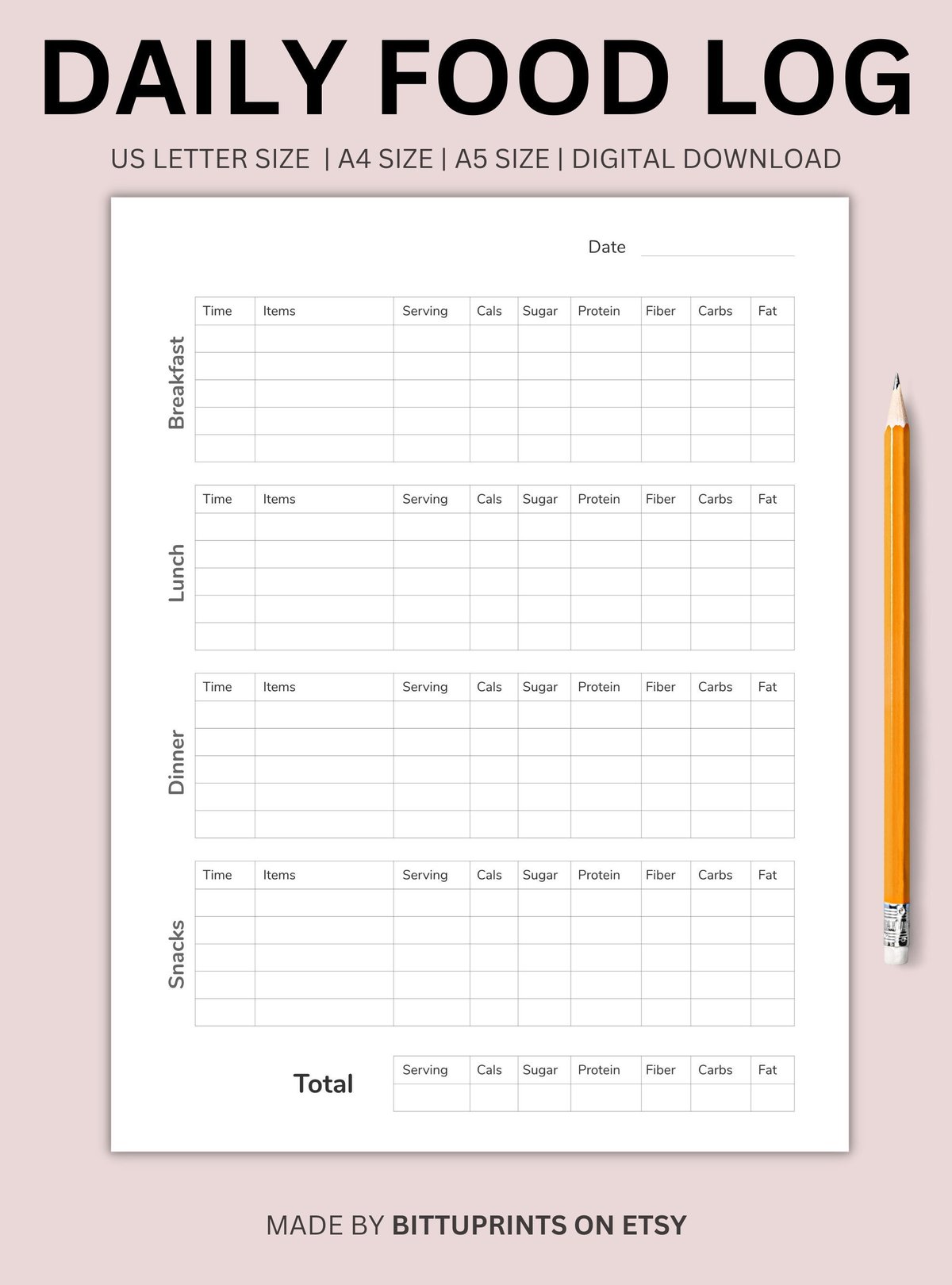
The blank page of a new journal can feel intimidating, but with a well-designed daily tracker journal, it transforms into a powerful ally, guiding you toward lasting change. More than just a list of tasks, this tool empowers you to observe your patterns, celebrate small victories, and gently course-correct without judgment. It’s about building awareness, not just checking boxes.
At a Glance: Your Path to Better Habits
- Discover your “why”: Clarify what truly matters before you start tracking.
- Keep it simple: Begin with 3-5 specific, measurable habits to avoid overwhelm.
- Prioritize function: Choose layouts that serve your purpose over intricate aesthetics.
- Integrate tracking naturally: Link checking your journal to existing daily routines.
- Track with self-compassion: View empty spaces as data, not failures, and adapt as needed.
- Leverage reflection: Transform raw data into actionable insights for continuous growth.
Why Bother? The Core Power of a Daily Tracker Journal
At its heart, a daily tracker journal is a commitment device, a visual reminder of your aspirations and progress. It externalizes your intentions, making abstract goals concrete and observable. This isn’t just about discipline; it’s about self-awareness, providing a mirror to your daily choices and their cumulative impact.
The benefits extend far beyond a simple checklist:
- Accountability: Knowing you’ll record an action (or inaction) creates a gentle internal nudge, encouraging consistency. It’s harder to ignore a task when you know you’ll have to confront that empty box later.
- Goal Setting: Large, daunting goals become manageable when broken down into daily or weekly habits. Your tracker makes those incremental steps visible, proving that progress is happening, even if slowly.
- Motivation: Seeing a streak of completed tasks, a month of healthy choices, or consistent effort provides a powerful boost. This visual evidence of your progress fuels your desire to continue and tackle new challenges.
- Productivity: The sense of accomplishment from marking off a habit encourages further activity. This positive feedback loop can significantly enhance your overall output and commitment to positive actions.
- Self-Development: By consistently observing your behaviors, you gain invaluable insights into your strengths, weaknesses, triggers, and patterns. This deeper understanding is fundamental for genuine personal growth and informed decision-making.
Scientific studies support the efficacy of self-monitoring, showing its effectiveness in behavioral changes ranging from diet and exercise to mental health management. For instance, research indicates that consistent self-tracking can help individuals recognize early warning signs and patterns related to conditions like bipolar disorder or depression, fostering better self-management. It’s a therapeutic tool, not just a productivity hack.
Beyond the Basics: Designing Your Daily Tracker Journal for Impact
Creating an effective daily tracker journal isn’t about artistic flair (though that can be fun!). It’s about designing a system that works for you, making tracking effortless and insightful. Here’s how to build a tracker that truly guides your journey.
1. Start with Clarity: Define Your “Why”
Before you even draw a line, pause and reflect. What patterns do you genuinely want to understand or change? Is it about improving your physical health, cultivating mental well-being, enhancing productivity, or developing a new skill? Your journal is a reflection of your intentions, so be clear about what truly matters to you. This initial clarity prevents aimless tracking and ensures your efforts are aligned with your deeper goals.
2. Pinpoint Specific, Actionable Habits
Vague goals lead to vague tracking. Instead of “Eat healthier,” define “Eat 3 servings of vegetables with dinner.” Instead of “Exercise,” try “Do 20 minutes of yoga” or “Walk 30 minutes before work.” Start with a manageable number—typically 3 to 5 clear, measurable actions. This precision allows for unmistakable “yes” or “no” recording and makes progress tangible.
If you’re still exploring what habits might benefit your life, you might want to Learn what habits to track in more detail, as this broader guide can help you identify areas ripe for positive change.
3. Choose a Layout That Works, Not Just Looks Good
The best layout is the one you’ll actually use consistently. Simplicity often wins.
- The Grid/Calendar: A common and highly effective layout. Dates run along one axis (horizontal or vertical), and your habits run along the other. You mark off a box each day you complete a habit. This provides an immediate visual representation of your streaks and gaps.
- Example: A month-long grid with 31 columns for days and rows for “Meditate 10 min,” “Drink 64oz water,” “Read 20 pages.”
- Daily Checklists: For highly ritualized habits, a simple daily checklist can work. Dedicate a page per day or per week, listing the habits to be checked off.
- Thematic or Segmented: Some prefer to group habits by time of day (morning, work, evening) or theme (wellness, productivity). Color-coding can enhance this.
- Example: A “Morning Routine” section with “Wake by 7 AM,” “Journal,” “Stretch,” then an “Evening Routine” section with “No screens after 9 PM,” “Prep lunch.”
- Advanced Dot-Grid Systems: If you use a bullet journal, a dot-grid page offers ultimate flexibility. You can create custom layouts, incorporate tables for numerical data (like water intake or steps), and even add reflection notes alongside your tracker.
Prioritize functionality. An aesthetically pleasing but overly complicated tracker will quickly become a barrier.
4. Weave Tracking into Your Existing Routine
Consistency is key. The easiest way to remember to track is to link it to an existing habit. Do you drink coffee every morning? Place your journal next to your mug. Do you review your day before bed? Make filling out your tracker part of that reflection. This creates a natural trigger, minimizing the mental effort required to engage with your journal.
5. Track with Self-Compassion, Not Criticism
This is perhaps the most crucial mindset shift. Your daily tracker journal is a neutral data collection tool, not a report card for self-flagellation. If you miss a day or a week, those empty spaces are simply information. They might indicate a need to adjust the habit, a busy period, or an external factor. They are not a sign of failure. The goal is observation and adaptation, not perfection. Rigid tracking can increase stress and lead to abandonment, so approach it with kindness and flexibility.
Visualizing Progress: Creative Ideas for Your Daily Tracker Journal
While functionality is paramount, incorporating creative elements can make your daily tracker journal more engaging and enjoyable, sustaining your motivation over time.
- Monthly Calendar Trackers: A classic for a reason. Design a simple monthly calendar grid, listing 4-8 key habits down one side. As you complete a habit, fill in the corresponding square with a dot, checkmark, or color. Pastel colors for marking can create a calming visual.
- Weekly Observation Trackers: For a more granular view, a weekly layout allows space for brief notes or observations next to each day. This is excellent for understanding the why behind your consistency (or lack thereof).
- Three Time Periods Tracker: Divide your page into “Morning,” “Midday,” and “Evening.” List habits relevant to each period. This helps segment your day and prevents overwhelm by focusing on smaller chunks.
- Themed Trackers (e.g., Mandala, Butterfly, Moon): These designs can make tracking a calming or inspiring ritual. A Mandala tracker, for instance, might have sections to color in for each day a meditation habit is completed, fostering focus and stress reduction. Butterfly trackers can be customized with cutouts, and moon/flower themes add a touch of tranquility.
- Integrated Trackers: Combine habits with mood tracking, sleep logs, or water intake on a single page. A graph tracker, for example, can show the interplay between your sleep duration, mood, and productivity habits.
- Specific Routine Trackers:
- Meditation Tracker: A dedicated page to track various aspects of your meditation practice (duration, type, focus).
- Beauty Routine Tracker: For skincare steps, hair care, or even reading about new products.
- Savings & Spending Tracker: Integrate financial habits by setting targets for savings and logging expenses.
- Parenting Trackers: For new parents, specific trackers for baby’s feeding, sleep, or growth can be invaluable. Similarly, a pet care tracker can ensure routines like walks, feeding, and medication are consistent.
- High-Contrast Trackers: For a bold visual, use a black background with neon highlighters to mark completed habits. This can be particularly motivating for visual learners who benefit from striking immediate feedback.
- Printable Templates: If drawing isn’t your forte, countless printable templates (vertical, circular, grid, themed) are available online, offering a quick start to your tracking journey.
Customization doesn’t mean complexity. It means finding the visual cues and organizational style that resonate most with you, turning your journal into a personalized reflection of your growth.
From Data to Insight: Reflecting and Adapting Your Journal
Tracking is only half the battle. The real magic happens when you pause to reflect on the data your daily tracker journal has collected. This transforms raw information into meaningful insights, allowing you to refine your approach and celebrate your progress.
The Power of Weekly Reflection
Set aside a consistent time each week (e.g., Sunday evening) to review your tracker.
- Identify Patterns: Where were you consistent? Where did you struggle? Are there specific days of the week or times of day when certain habits are harder or easier to maintain?
- Uncover Connections: Do you notice a correlation between your sleep habits and your energy levels? Between your water intake and your mood? Between your exercise and your stress levels? Your tracker provides the data; your reflection connects the dots.
- Pinpoint External Factors: Did a particularly stressful work week impact your evening routine? Did a social event disrupt your diet goals? Recognizing these factors helps you plan better for the future without blaming yourself.
- Celebrate Wins: Acknowledge your streaks and successes. This positive reinforcement is crucial for long-term motivation.
Adapting and Evolving: Your Habits Grow with You
Your life isn’t static, and neither should your habits be.
- Adjust Definitions: If “Meditate 10 minutes” feels overwhelming, reduce it to “Meditate 5 minutes.” Small wins build momentum.
- Start or Stop Tracking: If a habit is deeply ingrained, you might no longer need to track it. Free up space for a new behavior you want to cultivate. Conversely, if a habit is no longer serving you, politely retire it from your tracker.
- Embrace the “66-Day Rule”: While habit formation varies widely (from 18 to 254 days), the average often cited is 66 days. This scientific insight encourages patience and persistence. Don’t expect instant mastery; focus on consistent effort over time. Your journal is a record of this journey.
Reflection turns your daily tracker journal into a dynamic feedback loop, allowing you to learn from your experiences and continuously optimize your personal growth strategy.
Common Roadblocks and How to Navigate Them
Even with the best intentions, maintaining a daily tracker journal can present challenges. Recognizing these common pitfalls can help you preempt them and keep your tracking journey on course.
- Overwhelming Your Tracker: The most common mistake is trying to track too many habits at once. Starting with 10+ habits is a recipe for quick burnout.
- Solution: Begin with just 3-5 high-impact habits. Once those are established, you can gradually add more.
- Overly Complicated Design: Intricate drawings, elaborate color schemes, or complex layouts can be time-consuming and discouraging.
- Solution: Prioritize function over aesthetics. A simple grid with checkmarks is often more effective than a beautifully illustrated but time-intensive page.
- Using the Tracker as a Tool for Self-Criticism: Viewing missed days as failures rather than data points.
- Solution: Cultivate self-compassion. The tracker is a neutral observer. Empty boxes are information, prompting reflection, not judgment. Remember, consistency beats perfection.
- Choosing Vague or Unrealistic Habits: “Be happier” or “Exercise more” are difficult to track.
- Solution: Make habits SMART (Specific, Measurable, Achievable, Relevant, Time-bound). “Journal for 10 minutes” or “Walk 20 minutes daily” are trackable.
- Comparing Your Tracker to Social Media: Seeing perfectly designed trackers online can create unrealistic expectations.
- Solution: Your journal is for you. Its purpose is personal growth, not public display. Focus on what helps you, not what looks impressive to others.
- Adopting a “No Days Off” Mentality: Believing you must maintain a perfect streak at all costs can lead to intense pressure and abandonment if a single day is missed.
- Solution: Embrace flexibility. Life happens. If you miss a day, acknowledge it, and then simply start fresh the next day. The goal is long-term consistency, not an unbroken chain.
Practical Playbook: Setting Up Your Daily Tracker Journal for Success
Ready to dive in? Here’s a quick-start guide to implementing your daily tracker journal effectively.
- Dedicate a Space: Choose a specific journal, notebook, or a section within your existing bullet journal for habit tracking. This physical dedication signals its importance.
- Define Your Key: Decide on your symbols (e.g.,
Xfor complete,Ofor incomplete, a dot for partial completion) or color codes for different habits or outcomes. Keep a small legend on your page if needed. - Choose a Layout & Draw It Out: For monthly tracking, a simple grid (days across, habits down) is often best. For weekly, a vertical list with checkboxes for each day.
- List Your Habits: Write down your 3-5 specific, measurable habits at the start of your tracker.
- Integrate It: Place your journal where you’ll see it daily (e.g., next to your toothbrush, by your laptop). Link checking it to an existing habit.
- Start Tracking! Be honest and compassionate.
- Schedule Reflection: Set a weekly reminder to review your progress and adjust.
Advanced Techniques to Enhance Engagement:
- Dot-Grid Freedom: If you have a dot-grid journal, experiment with mixed layouts: combine a daily hourly schedule with a simple habit grid, or add a mood tracker next to your habits.
- Emoji and Icons: Use small, illustrative emojis or icons next to your habit descriptions to add visual interest and quickly convey meaning. For instance, a water droplet for hydration, a book for reading, or a dumbbell for exercise.
- Motivational Quotes: Sprinkle relevant quotes throughout your tracker pages to keep inspiration high.
Quick Answers About Daily Tracker Journals
How many habits should I track in my journal?
Start small, ideally with 3 to 5 specific, measurable habits. This allows you to build momentum and avoid feeling overwhelmed, which is a common reason people abandon their trackers. You can always add more once these are consistently established.
What’s the best layout for a daily tracker journal?
The “best” layout is the one you’ll use consistently. For most, a simple monthly grid or calendar format (days on one axis, habits on the other) is highly effective due to its clarity and ease of use. Bullet journal users often leverage dot grids for customizable layouts, but always prioritize functionality over complex aesthetics.
Is it okay to miss a day in my habit tracker?
Absolutely. Missing a day is not a failure; it’s simply data. The goal of a daily tracker journal is long-term consistency and self-awareness, not a perfect streak. Acknowledge the missed day, reflect on why it happened (without judgment), and start fresh the next day. Self-compassion is key to sustainable tracking.
How long does it take for habit tracking to work?
While the average time to form a new habit is around 66 days (ranging from 18 to 254 days), the benefits of habit tracking—like increased awareness, motivation, and accountability—can be felt almost immediately. The “work” is in the consistent observation and reflection over weeks and months, leading to lasting behavioral change.
Your Next Step to Consistent Growth
Your daily tracker journal is a powerful instrument for self-discovery and transformation. It’s not just about what you do, but about becoming aware of how you do it, and why. By committing to simple, consistent tracking and pairing it with regular, compassionate reflection, you’ll unlock insights that propel you forward. Grab your journal, define your first few habits, and begin the journey toward a more intentional and fulfilling life, one marked box at a time.

Through this website, I share simple, science-backed tips for low impact health whether it's gentle fitness routines, stress-free wellness habits, or eco-friendly lifestyle changes. My goal is to make healthy living more accessible, sustainable, and kind to both our bodies.
- Healthy Eating Habits to Fuel Your Body for Lasting Vitality - May 9, 2026
- Inspirational Health Related Sayings for Your Best Self - May 8, 2026
- Healthy Mind Quotes for Cultivating Peace and Mental Strength - May 7, 2026