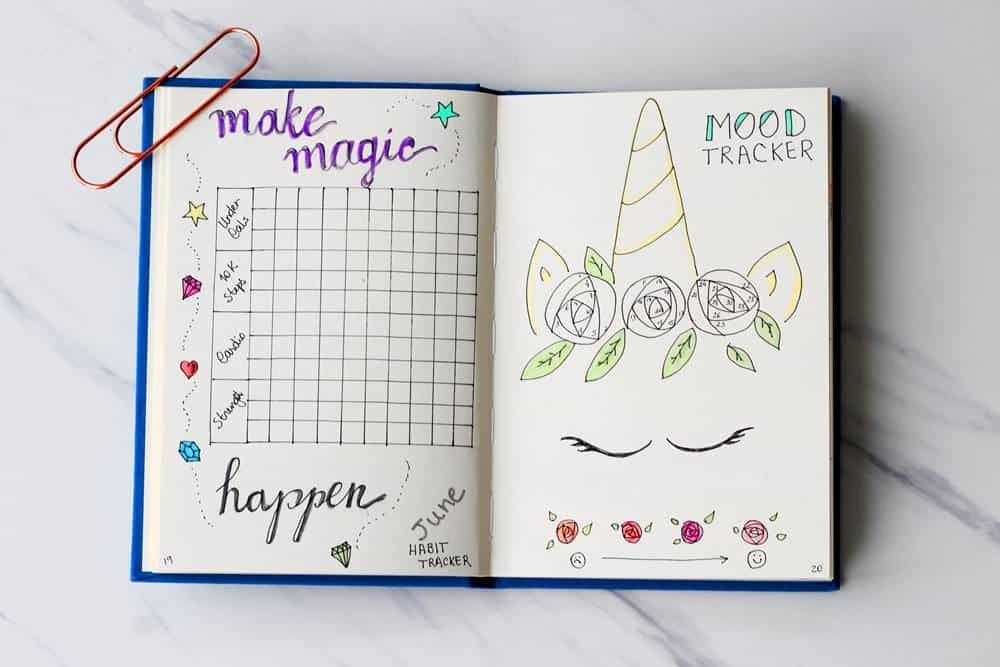
Struggling to translate your aspirations into consistent action? Many of us chart lofty goals, only to find our resolve fading when faced with daily distractions. But what if a simple, creative system could not only keep you accountable but also spark fresh ideas and show tangible progress? This is precisely the power of dedicating space to bullet journal habits to track, turning vague intentions into clear, measurable steps toward personal evolution.
Far from being just a planner, a bullet journal transforms into a dynamic command center for your life, allowing unparalleled adaptability to document everything from your meditation journey to your financial health or even just boosting your daily water intake. It’s about building a visual record of your efforts, a silent testament to your growth, day by day, habit by habit.
At a Glance: What You’ll Discover
- Personalized Habit Tracking: Learn how the bullet journal’s flexible nature allows you to design a tracking system truly unique to your needs and aesthetic.
- Strategic Habit Selection: Understand how to choose the right habits that align with your deepest goals, moving beyond simple daily tasks.
- Inspiring Layouts & Customization: Explore diverse spread ideas, from minimalist grids to creative visual trackers, to keep motivation high.
- Overcoming Tracking Hurdles: Gain practical strategies for dealing with missed days and adapting your system as your habits evolve.
- Immediate Action Steps: Walk away with concrete methods to set up and maintain a bullet journal habit tracker that drives real progress.
Why Your Bullet Journal is the Ultimate Habit Lab
Imagine a single space where every tiny step you take towards a better you is not only recorded but celebrated. That’s the essence of habit tracking in a bullet journal. Unlike rigid apps or pre-printed planners, your bullet journal is a blank canvas, inviting you to design a system that genuinely resonates with you. This isn’t just about checking boxes; it’s about fostering a deep sense of accountability and visualizing the compounding effect of small, consistent actions.
This visual documentation helps clarify your journey, showcasing progress that might otherwise go unnoticed. Seeing a long streak of “read daily” or “drank enough water” checked off creates a powerful positive feedback loop. It transforms vague aspirations into concrete achievements, directly fueling your motivation and building self-awareness about your patterns and triggers. This continuous self-development loop — where you set a goal, track it, observe, and adjust — is a core benefit of the bullet journal method.
The Art of Selecting Your Bullet Journal Habits to Track
Before you draw a single line, consider why you want to track a specific habit. Are you aiming for a major life overhaul, or just subtle improvements? Your bullet journal can handle both, but strategic selection ensures your tracking remains purposeful and prevents overwhelm.
When contemplating the myriad possibilities for tracking, it’s helpful to first consider the broader landscape of habits. For a comprehensive overview of different habit types and their potential impact, you might find valuable insights in this guide: What types of habits to track. This foundational understanding can help you decide which categories resonate most with your current goals before diving into bullet journal specifics.
Here’s how to categorize and think about habits within your bullet journal framework:
1. Nurturing Your Well-being: Health, Mood, and Self-Care
These habits form the bedrock of a fulfilling life. Tracking them in your bullet journal offers a deeply personal insight into your physical and mental state.
- Physical Health:
- Water Intake: Simple checkmarks or a water glass icon to fill daily.
- Exercise: Log type (yoga, run, strength), duration, or distance. A quick visual reference tells you if you’re hitting your fitness goals.
- Steps Taken: Many trackers integrate with phone apps, but manually logging adds an extra layer of engagement.
- Dietary Choices: Track adherence to a specific diet, days without sugar/soda, or consistent meal planning.
- Medication Reminders: Essential for consistency, especially for new routines.
- Mental & Emotional Health:
- Mood Tracking: Use colors, emojis, or a simple 1-5 scale to track your daily mood. Over time, you’ll uncover patterns and potential triggers, for example, noting a dip in mood on days you skip meditation.
- Meditation/Mindfulness: Log duration or simply a checkmark for completion. A mandala habit tracker (as seen in some creative examples) can be particularly effective for visual meditation tracking, reinforcing focus and calm.
- Sleep Quality/Duration: Track bedtime, wake-up time, and perceived sleep quality. This can reveal connections between sleep and energy levels or mood.
- Journaling/Reflection: Simply track if you’ve taken time to write in your journal or reflect on your day.
2. Mastering Your Daily Routine: Productivity & Learning
These habits help structure your day, streamline tasks, and foster continuous personal growth.
- Daily Chores/Tasks: A simple grid for “clean kitchen,” “do laundry,” “tidy desk” ensures consistency in maintaining your living space.
- Learning Habits:
- Reading: Track pages read, chapters, or time spent reading. A “books read/to-read” section in your bujo can complement this.
- Skill Practice: Whether it’s practicing an instrument (e.g., piano lessons), learning a new language, or coding, consistent small efforts are key.
- Work-Related: “Zero-inbox” (clearing your email daily), “project focus time,” or “learning new software.”
- Productivity & Focus:
- Deep Work Sessions: Track uninterrupted blocks of focused work.
- Planning/Reviewing: Weekly habits like “reviewing progress,” “setting new goals,” or “reflecting on accomplishments and setbacks.”
3. Building Financial Freedom: Money Habits
Money tracking in a bullet journal brings a tactile, visual element to financial awareness that digital apps sometimes lack.
- Spending Tracking: Categorize daily spending to identify patterns and areas for reduction. A detailed “Savings & Spending Habit Tracker” can be highly effective here, visually separating incoming and outgoing funds.
- Savings Tracking: Set specific goals (e.g., “save $X by [date]”) and track daily/weekly contributions. A visual thermometer or “cake slice” tracker (where each slice represents a day you saved) can be incredibly motivating.
- Investments: Log regular contributions or review portfolio performance weekly.
- Bills Log: A simple list with due dates and check-off boxes ensures you never miss a payment.
4. Personal Growth & Skill Acquisition
Beyond the daily grind, bullet journals excel at tracking longer-term personal development.
- Creative Pursuits: Daily drawing, writing, or practicing a craft.
- Relationship Nurturing: Tracking a weekly “check-in with a friend” or “family time.”
- Weight Loss/Diet: Daily weigh-ins, calorie tracking, or adherence to a specific meal plan.
- Pet Care/Baby Milestones: For new parents or pet owners, tracking feeding, sleep, medication, or developmental milestones can be invaluable.
Case Snippet: Sarah wanted to improve her financial health but felt overwhelmed by budgeting apps. She started a “No-Spend Day” tracker in her bullet journal, marking off each day she didn’t spend money unnecessarily. Alongside this, a small ‘savings goal’ thermometer filled up with color as she transferred money to her savings. The visual progress in her bullet journal made her feel more in control and less intimidated by her financial goals.
Crafting Your Tracker: Layouts That Inspire Action
The beauty of the bullet journal is that your tracker can be as simple or as elaborate as you desire. The key is to find a layout that you’ll actually use consistently.
1. Dedicate & Define: Your Habit Tracker Foundation
- Allocate Space: Give your habit tracker its own dedicated page or spread. This makes it easy to find and commit to. A monthly overview is often a great starting point, allowing you to see your entire month’s progress at a glance.
- Key/Legend: Especially if you use colors or symbols for different habits or outcomes, create a small legend. For example, a red ‘X’ for a missed day, a green check for completed, or different colors for mood states.
2. Layout Options: From Minimalist Grids to Creative Spreads
- The Simple Grid (or Calendar-Based): This is the most common and often the most effective.
- List your habits down the left side.
- List the days of the month (or week) across the top.
- Each day, fill in a box with a symbol, color, or checkmark.
Example: The “DHG Monthly Habit Tracker” uses a calendar format with encircled dates for marking, and a pastel scheme for visual appeal. A similar “DGH Weekly Habit Tracker” offers a minimalist, teal-themed grid for 8 habits over 7 days. These are quick to set up and easy to scan.
- Beyond the Grid: Creative & Visual Trackers: For those who enjoy an artistic touch or find visual metaphors motivating.
- The Three-Time Periods Tracker: Organize habits by time of day (morning, workday, night) using different color-coding for quick identification. This helps when habits are linked to specific parts of your routine.
- Graph Habit Tracker: Combine habit, mood, and sleep tracking on a single graph. This allows you to visually overlay data and spot correlations, like seeing how sleep directly impacts your energy for exercise or your mood.
- Mandala Habit Tracker: A circular design where each segment represents a day, and you color it in as you complete a habit. This is not only visually engaging but the act of coloring can be meditative, especially for habits like mindfulness or stress reduction.
- Pink Flower Habit Tracker: A minimalist approach where each petal or box is colored in. This makes the tracking process feel less like a chore and more like a creative project.
- Take the Cake: A charming design where each day is a slice of cake, colored in when a habit is completed. This adds a playful element, making consistency feel like a small daily reward.
- High-Contrast Tracker: For a bold aesthetic, use neon highlighters against a black background. This makes your progress pop and can be very motivating for those who like strong visual feedback.
3. Customization: Making It Uniquely Yours
Your bullet journal is your domain. Don’t be afraid to experiment!
- Symbols & Colors: Use icons, emojis (weights for exercise, books for reading), or a consistent color scheme. For instance, blue for water, green for health, yellow for creativity.
- Doodles & Icons: A small dumbbell icon next to “exercise,” or a coffee cup for “no coffee” helps differentiate habits visually.
- Motivational Elements: Incorporate a small motivational quote, an inspiring image, or even a small drawing at the top or bottom of your spread.
- Separate Sections: Create distinct areas for daily habits versus long-term goals or weekly reflections.
- Dotted Pages as Canvas: Leverage the dotted grid paper of most bullet journals. It’s perfect for drawing your own spreadsheets, tables, or complex visual layouts. This allows for ultimate personalization, ensuring your tracker aligns perfectly with your tracking style.
Example Setup Process:
- Choose a theme: “Monthly Health Focus.”
- Select habits: Daily water intake (8 glasses), 30 mins exercise, 7 hours sleep, meditate 10 mins.
- Layout: Simple grid. Days 1-31 across the top, habits down the side.
- Key: Blue circle for water, green check for exercise, purple star for sleep, orange dot for meditation.
- Motivation: A small quote at the bottom: “Small steps, every day.”
Making Progress Stick: Overcoming Common Hurdles
Even the most dedicated habit trackers face challenges. The key isn’t to be perfect, but to be resilient and adaptable.
1. Dealing with Setbacks and Inconsistent Tracking
Life happens. You’ll miss days, or even weeks. The most common pitfall is giving up entirely after a stumble.
- Acknowledge, Don’t Abandon: If you miss a day, simply leave the box blank or mark it with a small ‘X’. Don’t rip out the page or throw away your journal. The next day is a fresh start. The goal is long-term consistency, not 100% perfection.
- Reframe Missed Days: Instead of seeing it as a failure, view it as data. “Why did I miss today? Was the habit too hard? Was I too busy? Is my goal unrealistic?” This self-reflection is a powerful part of self-development.
- Simplify: If you find yourself consistently missing a habit, perhaps it’s too big. Break it down. Instead of “exercise for 60 minutes,” try “10 minutes of movement.” Smaller wins build momentum.
2. Finding What Works for You: Evolving Your System
Your needs and habits will change. Your bullet journal habit tracker should too.
- Experiment Continuously: Try a grid for a month, then a creative visual tracker. See what you enjoy filling out, what keeps you motivated. The “Printable Two Designs Habit Tracker” (vertical and circular options) is a good example of how to test different formats without committing to drawing them yourself initially.
- Identify Friction Points: Is it taking too long to fill out? Are you forgetting? Maybe your tracker is too complex, or not visible enough.
- Adjust and Adapt: If a habit isn’t working, don’t force it. Drop it, modify it, or try tracking something else entirely. Your bullet journal is a living document, not a static rulebook. For example, if tracking “calories eaten” feels too restrictive, switch to “days without unhealthy items.”
- Review Regularly: Weekly or monthly reviews are crucial. What habits are you nailing? Which are slipping? What insights have you gained? Use this information to refine your tracking system and set new, smarter goals.
Quick Answers to Common Questions
Q: How many bullet journal habits should I track at once?
A: Start small, especially if you’re new to habit tracking. Aim for 3-5 core habits that genuinely excite you or address your biggest pain points. Trying to track too many at once often leads to burnout and giving up. You can always add more once your initial habits become second nature.
Q: What if I miss a day (or several) of tracking in my bullet journal?
A: It’s completely normal to miss days! Don’t let it derail your progress. Simply mark the missed days as such (or leave them blank) and pick up where you left off. The aim is consistency over time, not perfection. Focus on the next opportunity to track, not the missed past.
Q: Can I track mood and habits together in my bullet journal?
A: Absolutely! Many bullet journal users find great value in combining mood tracking with habit tracking. You can use a dedicated section in your habit tracker for mood, or integrate it into a larger graph where you can see correlations between your habits (e.g., exercise, sleep) and your emotional state. This can offer powerful insights into your well-being.
Q: Is a digital habit tracker better than a bullet journal for tracking habits?
A: Neither is inherently “better”; it depends on personal preference and learning style. Digital trackers offer convenience and automation, while bullet journal trackers provide a tactile, creative, and highly customizable experience. Many people find the physical act of writing or coloring in their bullet journal more engaging and mindful, leading to greater consistency and self-awareness.
Your Bullet Journal: A Blueprint for Growth
Your bullet journal isn’t just a place to jot down notes; it’s a powerful tool for self-mastery and continuous improvement. By intentionally selecting the bullet journal habits to track that align with your deepest desires, designing a tracking system that sparks joy, and approaching setbacks with resilience, you unlock an unparalleled pathway to personal growth.
Start simple. Choose one or two habits that feel achievable and meaningful. Dedicate a small corner of a page, draw a simple grid, and commit to filling it in daily. Over time, you’ll accumulate a visual history of your efforts, a powerful testament to your consistency, and an invaluable guide for your ongoing journey of self-development. Embrace the process, celebrate your small wins, and watch as your chosen habits transform into the building blocks of a more intentional, fulfilling life.

Through this website, I share simple, science-backed tips for low impact health whether it's gentle fitness routines, stress-free wellness habits, or eco-friendly lifestyle changes. My goal is to make healthy living more accessible, sustainable, and kind to both our bodies.
- Healthy Eating Habits to Fuel Your Body for Lasting Vitality - May 9, 2026
- Inspirational Health Related Sayings for Your Best Self - May 8, 2026
- Healthy Mind Quotes for Cultivating Peace and Mental Strength - May 7, 2026