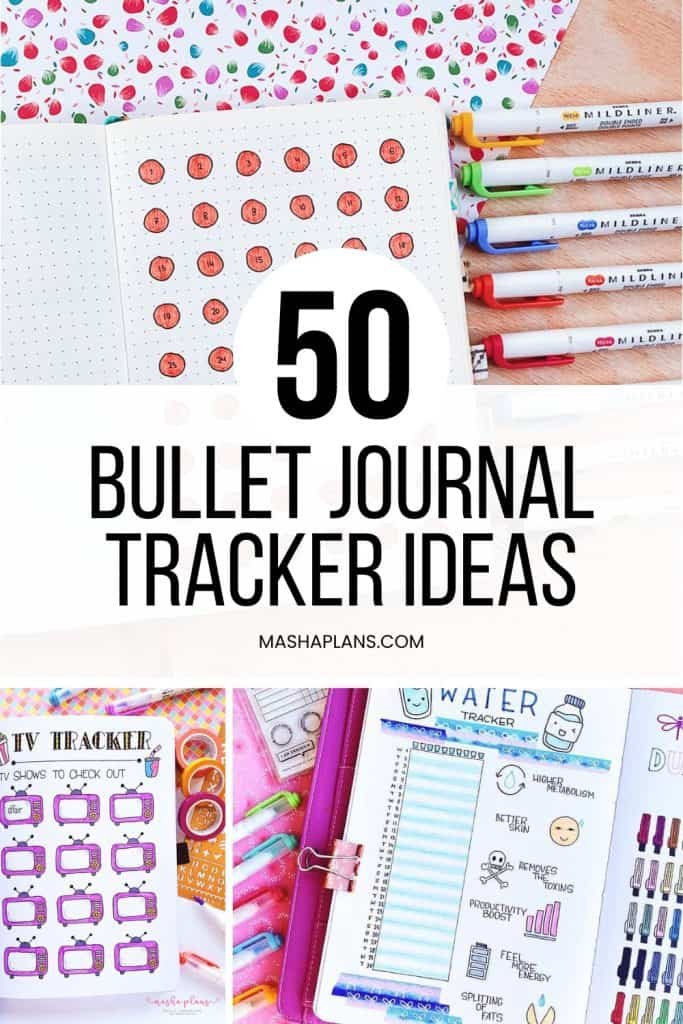
Crafting an effective bullet journal goes beyond just pretty pages; it’s about building tools that genuinely serve your growth. When it comes to habits and goals, few elements are as powerful as well-designed bullet journal tracker ideas. These visual dashboards don’t just record information; they transform abstract aspirations into tangible progress, making accountability a natural part of your daily rhythm.
Forget the days of vague intentions. We’re diving deep into how to leverage trackers to celebrate small wins, identify patterns, and consistently move closer to the life you envision. Whether you’re aiming for better health, sharper focus, or nurturing a creative spark, the right tracker can be your most reliable coach.
At a Glance
- Understand the “Why”: Discover how trackers boost accountability, motivation, and self-awareness.
- Master the Essentials: Learn core principles for choosing, designing, and using trackers effectively.
- Explore Diverse Ideas: Get inspired by a comprehensive range of tracker categories for every aspect of life.
- Unleash Creativity: Find practical tips for making your trackers engaging and uniquely yours.
- Troubleshoot Common Pitfalls: Address concerns like overwhelm and inconsistency to keep your tracking sustainable.
- Implement Immediately: Walk away with actionable steps to start or refine your tracking system today.
The Unseen Power of Visual Progress: Why Trackers Work
At its heart, a bullet journal tracker is a simple commitment device. It takes an abstract goal—like “drink more water” or “read daily”—and translates it into a concrete, visual representation. This isn’t just about ticking boxes; it’s about seeing your journey unfold. Each mark you make is a small affirmation of effort, a mini-celebration of consistency that cumulatively builds momentum.
Trackers offer a clear bird’s-eye view of your routines and progress. This visual feedback loop is incredibly motivating, helping you push through plateaus and recognize the direct correlation between your actions and your achievements. Beyond motivation, they foster accountability, clarify goals by breaking them into manageable daily or weekly steps, and significantly boost productivity as you watch your efforts accumulate. Ultimately, this journey of tracking aids profound self-development, revealing both your strengths and areas ripe for growth, often adding an engaging, colorful dimension to your personal planning system.
However, it’s crucial to approach tracking mindfully. An overly ambitious setup can quickly become overwhelming, turning a helpful tool into “busy work.” The key lies in strategic implementation and consistent engagement.
Building Your Tracking Foundation: Principles for Lasting Impact
Before diving into a sea of bullet journal tracker ideas, lay a strong groundwork. An effective tracker isn’t just a pretty page; it’s a tool tailored to your needs, designed for long-term consistency.
Start Small, Grow Smart
Resist the urge to track everything at once. Begin with just one or two key habits or goals. This allows you to understand how tracking fits into your routine, test different layouts, and build confidence. As you gain momentum and discover what truly resonates, you can gradually introduce more trackers. Think of it as a gentle ramp-up, not a sudden sprint.
Choose Layouts That Spark Joy (and Action)
The visual design of your tracker significantly impacts its usability and your motivation. Full-page monthly layouts are excellent for long-term habits, offering a sweeping overview of your consistency. For quick daily logs or specific weekly tasks, small boxes integrated directly into your daily or weekly spreads might be more practical. Consider calendar formats, grid-style habit trackers, or even more artistic graph trackers to visualize trends. The best layout is one you’ll genuinely use and enjoy.
Prioritize What Truly Matters
Avoid the “tracking everything” trap. Initially, focus on 3–5 core habits or goals that will have the most significant impact on your well-being or productivity. If you’re unsure where to start, consider exploring different categories of habits that align with your overall life vision. You might find a helpful framework for identifying these key areas by reading more on the foundational types of habits worth tracking in your journal. Explore habits to track
Vary Tracking Periods for Deeper Insights
Not all habits need daily scrutiny. Some, like exercise or meditation, thrive on daily checks. Others, such as tracking a monthly budget or logging seasonal project progress, benefit from weekly or monthly overviews. For instance, a “No-Spend Day” tracker works well on a monthly calendar, while a “Sleep Hours” tracker might be more effective logged daily within your weekly spread to spot immediate patterns.
Personalize to Maximize Engagement
Your bullet journal is a reflection of you. Make your trackers visually appealing and fun to interact with. Use a vibrant color palette, add doodles, stickers, or creative borders. Personalization isn’t just aesthetic; it transforms a chore into an enjoyable part of your routine, making you more likely to engage consistently.
Focus on Growth, Not Comparison
Remember, your trackers are personal growth tools. Avoid comparing your meticulously organized spreads or your progress to what you see online. Everyone’s journey is unique. Your tracker’s purpose is to help you reflect, organize, and grow at your pace. Celebrate your progress, however small.
A Universe of Tracker Ideas: Categories and Inspiration
Now that you’re armed with foundational principles, let’s explore a rich tapestry of bullet journal tracker ideas, categorized to inspire every facet of your life.
Habit Trackers: Nurturing Daily Consistency
These are the backbone of most bullet journals, designed to build and reinforce routine actions.
- Daily Water Intake: A simple grid of 8 glasses to color in, or 8 small bubbles for each cup.
- Sleep Schedule/Hours: A horizontal line graph plotting your bedtime and wake-up time, or simply logging total hours.
- Morning/Evening Routines: Checkboxes for each step (e.g., “meditate,” “stretch,” “journal,” “read”).
- Meditation Minutes: A simple numerical log or a coloring tracker where you fill in a segment for every 5-10 minutes.
- Skincare Routine: Daily AM/PM checkboxes for steps like “cleanse,” “serum,” “moisturize.”
- Exercise Log: Mark the days you work out, specifying type or duration in an adjacent column.
- Vitamins/Supplements: A simple daily check-off to ensure you don’t miss a dose.
- Journaling Consistency: A single box to tick each day you write.
- Screen-Free Hours: Track when you unplug, perhaps coloring a block for each hour spent offline in the evening.
- Reading Consistency: A box per day, or a log of pages read.
- Tidying/Chore Streak: Track small daily tidying efforts (e.g., “15-minute clean-up”).
- No-Spend Days/Weeks: Mark days you avoided unnecessary purchases, creating a visual “savings streak.”
Health & Wellness Trackers: Holistic Well-being
Monitor your physical and mental health to identify patterns and proactively manage your well-being.
- Period Tracker: A calendar where you mark start and end dates, noting symptoms or flow levels.
- Weight Log: A monthly graph to visualize trends.
- Steps Per Day: A simple numerical log, or a target number to hit each day.
- Doctor Appointments: A small calendar block or dedicated list for upcoming visits.
- Symptom Tracker: Note recurring symptoms (e.g., headaches, fatigue) daily, often alongside other factors like sleep or food.
- Self-Care Log: Daily check-ins for practices like “bath,” “walk,” “listen to music,” “connect with loved ones.”
- Daily Movement: Beyond formal exercise, track incidental movement like stretching, walking around, or taking stairs.
- Healthy Meals: A simple yes/no for each main meal, or a quick note on food groups consumed.
Mood & Emotional Landscape Trackers: Cultivating Self-Awareness
Understanding your emotional fluctuations can provide profound insights into triggers and coping mechanisms.
- Color-Coded Moods: Assign a color to each mood (happy, anxious, productive, tired) and fill in a daily section on a calendar or a mandala wheel.
- Stress Levels: A numerical scale (1-10) or a simple high/medium/low indicator.
- Gratitude Log: A small space daily to jot down one thing you’re grateful for.
- Energy Levels: Similar to mood, a simple scale or color code for daily energy.
- Anxiety Tracker: Note intensity, triggers, and coping strategies used.
- Correlation Tracker: Combine mood tracking with a habit tracker to see how certain actions impact your emotional state (e.g., “Did I sleep well? How was my mood?”).
Productivity & Goal Attainment Trackers: Focusing Your Efforts
Break down big goals into manageable steps and track your progress toward significant achievements.
- Learning New Skills: Track practice sessions, courses completed, or specific modules mastered.
- Journaling Consistency: A direct check-off to ensure you’re engaging in reflective practice.
- Social Media Posting Consistency: For content creators, track scheduled posts or engagement times.
- Yearly Goals Progress: A visual representation (e.g., a “percentage complete” bar) for each major goal, updated monthly.
- Project Trackers: Ideal for larger, multi-step endeavors.
- Spring Cleaning: Divide by zones (kitchen, bathroom, living room) and list tasks for each, checking off as completed.
- Post-Winter Outdoor Cleanup: Break down garden tasks (pruning, weeding, planting, mulching) into weekly goals.
- Home Upkeep: Track monthly or quarterly maintenance tasks like filter changes, appliance cleaning, or smoke detector checks.
Financial Health Trackers: Mastering Your Money
Gain control over your finances by visualizing spending, saving, and debt reduction.
- Monthly Expenses: A list of categories with allocated budgets and actual spending totals.
- Bills Paid: A checklist or calendar to ensure no bills are missed, noting due dates.
- Savings Trackers:
- Thermometer: Color in a thermometer as you reach savings milestones towards a specific goal (e.g., down payment, vacation fund).
- Grid Tracker: A grid of squares, each representing a small amount (e.g., $10). Color in a square as you save that amount, working towards a larger sum.
- Spending Logs: Categorize daily spending to identify areas for reduction.
- Debt Payoff Progress: A visual representation of reducing debt principal, similar to a savings thermometer.
Reading & Learning Journey Trackers: Expanding Your Mind
Cultivate intellectual curiosity and track your journey through books, articles, and new information.
- Books Read This Month/Year: A simple list or a bookshelf drawing where you fill in spines as you finish books.
- Pages Per Day: A daily numerical log.
- Favorite Quotes: A space to jot down inspiring lines from your reading.
- Genre Tracker: Log the genre of each book to see your reading patterns.
- Book Wish List: A running list of titles you want to read.
- Podcasts Listened: Track episodes or specific topics covered.
- Music Albums: A list of new albums discovered or appreciated, with space for notes.
Personal & Creative Growth Trackers: Embracing Self-Expression
Nurture your inner artist, explore new hobbies, and grow personally.
- Creative Projects: List ongoing projects (e.g., painting, writing, knitting) and track daily progress or dedicated work sessions.
- Hobbies Log: Track time spent on hobbies, or specific milestones reached.
- Random Acts of Kindness: A simple daily check-off or space to note one act of kindness performed.
- Creative Sessions: Log dedicated time for creative work, even if it’s just brainstorming.
- Prompts Checked Off: If you use creative prompts, track how many you complete.
- Finished Projects: A satisfying list of completed works.
- Ideas Log: A dedicated space for fleeting creative thoughts or project ideas.
- Spiritual Growth Trackers:
- Bible-Reading Plans: A checklist for chapters or sections read.
- Scripture Reflections: A small space to note daily insights.
- Prayer Time: A check-off or log of dedicated prayer moments.
- Gratitude Journaling: As mentioned in mood tracking, but can be a standalone spiritual practice.
Niche & Specific Use Case Trackers: Tailoring to Unique Needs
Sometimes, life calls for highly specific tracking.
- Pet Care: Log walks, vet visits, medication, or feeding schedules.
- Baby’s Milestones: Track height, weight, feeding times, sleep patterns, or new skills.
- Plant Care: Watering schedules, repotting dates, or fertilizing reminders for your indoor jungle.
Beyond the Basics: Creative Layouts & Design Principles
The magic of bullet journal trackers isn’t just in what you track, but how you visualize it. A well-designed tracker is a joy to use and a powerful motivator.
- Calendar Formats: Simple and intuitive. Use a monthly or weekly calendar grid. Fill in checkboxes, use color fills (e.g., green for habit success, red for a miss), or symbols (X for done, O for partially done).
- Graph Trackers: Perfect for visualizing trends. Plot daily sleep hours, mood levels, or weight on an X-Y axis to see patterns emerge over time. This is particularly useful for health and mood correlations.
- Circular or Mandala Designs: Add an aesthetic and focused touch. A large circle divided into 30 or 31 segments can track a single habit for the month, coloring in each segment daily. Mandalas can track multiple habits, with each segment representing a different habit.
- Minimalist Designs: If intricate layouts feel daunting, strip it back to basics. Focus on essential data points with clean lines and simple fonts. A single line for each day with a checkmark is perfectly effective.
- Time-Period Trackers: Divide your day or week into distinct blocks (morning, workday, evening, night). Use a grid to track habits relevant to each block, helping you see where you allocate your time.
- High-Contrast Designs: Use bold symbols, bright markers, or stark black-and-white to make your progress immediately visible and satisfying. A thick black line across a row for a successful habit day feels incredibly impactful.
- Creative Visuals: Don’t shy away from artistic expression. For instance, track daily reading by drawing “books” on a shelf, coloring one in for each book finished. Track water intake by drawing a large water bottle and coloring in sections throughout the day. For a savings goal, draw a coin jar and fill it up.
Your Practical Playbook: Making Trackers Work for You
Ready to transform these ideas into action? Here’s a quick guide to getting started and staying consistent.
- Identify Your Top 3-5 Priorities: What habits or goals, if consistently tracked, would bring the most positive change to your life right now?
- Choose a Tracker Type: For each priority, select a tracker idea that excites you. Do you prefer a simple checkbox, a colorful grid, or a trend-revealing graph?
- Sketch Out Your Layout: Before committing to pen, lightly sketch your chosen layout in your bullet journal. Test if it provides enough space and clarity.
- Integrate Into Your Routine: Decide when you’ll update your trackers each day. Is it during your morning coffee, a midday break, or your evening wind-down? Consistency is key.
- Review and Reflect: Set a weekly or monthly reminder to review your trackers. What patterns do you see? What’s working? What needs adjustment? This reflection is where true growth happens.
- Don’t Fear the Blank Spot: Life happens. If you miss a day (or a week!), don’t abandon your tracker. Simply pick up where you left off. The goal is progress, not perfection.
Quick Answers to Common Tracker Questions
“How many trackers should I realistically use?”
Start with 1-2, then gradually add more as you feel comfortable, typically maxing out at 5-7 core habits. Over-tracking can lead to burnout and feeling like the tracking itself is a burden. Prioritize quality over quantity.
“What if I miss a day or a week? Should I just give up?”
Absolutely not! Missing a day is part of the human experience. The most important thing is to get back on track the very next opportunity you have. Don’t let a missed day derail your entire system; it’s a marathon, not a sprint. Consider a simple “skip” notation or leave it blank and pick up the next day.
“How do I choose the ‘right’ tracker for me?”
The “right” tracker is the one you enjoy using and that provides meaningful insights. Experiment! Try a simple calendar grid for one month, then a circular design the next. Pay attention to what information helps you the most and what visual style motivates you to interact with it daily.
“Isn’t this just more ‘busy work’?”
It can be if not approached intentionally. To avoid busy work, ensure each tracker serves a clear purpose related to a significant goal or habit. If a tracker isn’t providing insights or motivation after a few weeks, consider modifying or eliminating it. Your journal should be a tool, not a taskmaster.
“How can I make my trackers more motivating?”
Personalize them with colors, doodles, and creative themes. Celebrate small streaks! Acknowledge when you hit a week of consistency, or reach a small milestone. Sometimes, a visually satisfying “check” or “fill” is motivation enough. Focus on the positive cumulative effect, not just individual daily entries.
Your Path to Better Habits, Visualized
Embracing bullet journal tracker ideas is about more than just logging data; it’s about fostering self-awareness, celebrating progress, and intentionally building the life you want. From the simplest daily check-off to the most intricate visual graph, each mark you make is a step towards a more mindful, consistent, and fulfilling existence.
Start small, stay flexible, and most importantly, make it your own. Your bullet journal is a powerful companion on your journey of growth, and its trackers are the visual testament to your commitment. Dive in, experiment, and watch as your intentions transform into undeniable achievements.

Through this website, I share simple, science-backed tips for low impact health whether it's gentle fitness routines, stress-free wellness habits, or eco-friendly lifestyle changes. My goal is to make healthy living more accessible, sustainable, and kind to both our bodies.
- Healthy Eating Habits to Fuel Your Body for Lasting Vitality - May 9, 2026
- Inspirational Health Related Sayings for Your Best Self - May 8, 2026
- Healthy Mind Quotes for Cultivating Peace and Mental Strength - May 7, 2026