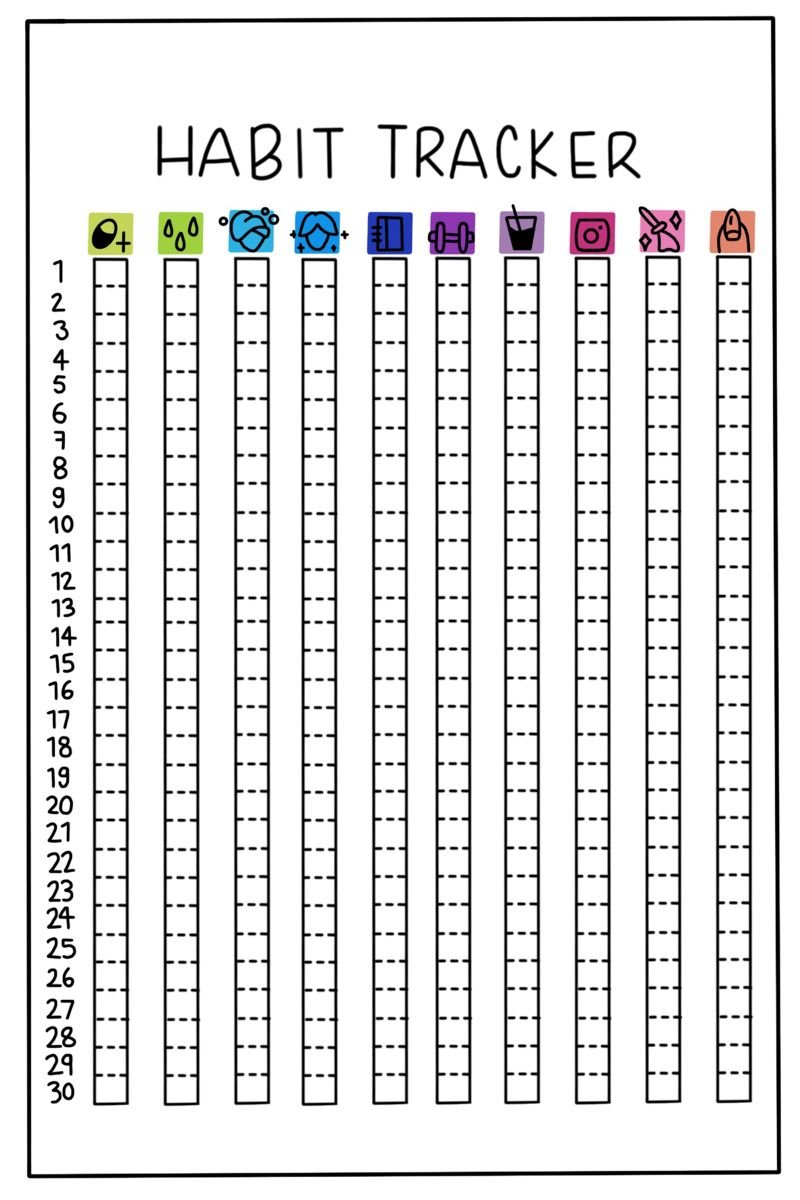
A habit tracker journal isn’t just a simple log of daily tasks; it’s a powerful tool that transforms vague aspirations into a concrete roadmap for personal growth. It shifts goal setting from a yearly resolution to an engaging, daily practice, making the journey of self-improvement tangible and deeply rewarding.
At a Glance: What You’ll Gain from This Guide
- Understand the profound benefits of journaling habits for personal development.
- Learn step-by-step how to set up an effective habit tracker in your journal.
- Discover creative customization options to keep your tracking engaging and personal.
- Master the art of reviewing and refining your habits for continuous growth.
- Find practical strategies to overcome common challenges and maintain motivation.
The True Power of a Habit Tracker Journal: Beyond the Checkmark
Many people start a habit tracker journal with the simple intent of ticking boxes. While that’s a part of it, the real magic lies in its ability to cultivate deep self-awareness and drive sustained personal evolution. It’s about building a visual narrative of your efforts, a testament to your commitment to becoming better.
From boosting accountability to igniting motivation, a journal dedicated to habit tracking acts as a silent coach. It helps you dissect long-term goals into manageable, daily actions, making overwhelming aspirations feel achievable. By observing your daily progress, you not only stay consistent but also gain valuable insights into your patterns, strengths, and areas needing attention. This isn’t just about doing; it’s about understanding why you do what you do and adjusting for optimal growth.
Crafting Your Growth Canvas: Setting Up Your Habit Tracker Journal
Setting up your habit tracker journal doesn’t require artistic talent or complex tools—just a notebook and a pen. The key is to create a system that resonates with you and encourages consistent engagement.
Laying the Foundation: Essential Setup Steps
- Dedicate a Specific Space: Start by allocating one or two pages (a “spread”) in your journal solely for your habit tracker. This clear demarcation helps you mentally compartmentalize your tracking efforts and keeps everything organized.
- Establish a Clear Key/Legend: Define what each symbol, color, or shorthand means. For instance, a simple checkmark could mean “completed,” an ‘X’ for “skipped,” and a color dot for “partially done.” A consistent legend makes your tracker intuitive and easy to read at a glance.
- Choose Your Layout Wisely: This is where the creative flexibility of a journal shines.
- Simple Grid: A classic choice, perfect for tracking multiple habits over a month. Rows for habits, columns for days.
- Calendar Format: Visually appealing and excellent for monthly overviews. You can track up to four key habits per day within each date box.
- Weekly Spread: Ideal for focused tracking of 5-8 habits over seven days, often including space for reflections.
- Three-Time Periods: Break down your day into morning, workday, and evening habits, using color-coding for clarity.
- Graph Trackers: Combine habit tracking with mood or sleep patterns, allowing for visual correlation.
- Mandala or Themed Trackers: For those who enjoy an aesthetic touch, circular or themed designs (like moon phases or butterflies) can make the process more enjoyable and stress-reducing.
- Combined Trackers: Integrate elements like daily, weekly, and monthly tracking on a single spread, perhaps with space for affirmations or notes.
- Allocate Space Thoughtfully: Consider how much detail each habit requires. A simple “Did I meditate?” needs less space than “What did I eat for breakfast, lunch, and dinner?” Prioritize your most crucial habits with ample room, allowing for flexibility as you experiment.
Personalizing Your Path: Customization for Engagement
Beyond the basic setup, infusing your personality into your tracker can significantly boost motivation and make the process enjoyable.
- Symbols and Colors: Use a vibrant array of colors to represent different habits or outcomes. A green check for success, a red ‘X’ for a miss, or different colors for morning, afternoon, and evening tasks.
- Icons and Doodles: Break the monotony of plain text. A small book icon for reading, a water droplet for hydration, or a barbell for exercise adds visual interest and makes your tracker uniquely yours.
- Motivational Reminders: Incorporate inspiring quotes, mini-affirmations, or small drawings that resonate with your goals. These subtle nudges can provide a needed boost on challenging days.
- Segmented Tracking: Create distinct sections for different aspects of your life. You might have a dedicated spread for “Health & Wellness” (exercise, nutrition, sleep) and another for “Personal Development” (reading, learning, creative pursuits).
Deciding What Drives You: Habits to Nurture for Growth
The power of a habit tracker journal lies in its versatility. You can track virtually any behavior, routine, or goal that contributes to your personal growth. Identifying the right habits is crucial, as they serve as the building blocks for the future you envision.
Think broadly about the areas you want to improve. Do you want to enhance your well-being? Strengthen your relationships? Boost your productivity? Or perhaps explore a new hobby? Each of these larger goals can be broken down into smaller, trackable habits.
For a deeper dive into specific categories and numerous examples of habits you can track in your journal, Learn what habits to track. This will provide you with a comprehensive framework to identify which behaviors align best with your personal growth objectives.
Here are a few popular categories and specific examples to get you started:
- Health & Wellness:
- Physical: Daily exercise (log type and duration), water intake, sleep quality/duration, taking medication, tracking specific health metrics (e.g., blood sugar).
- Mental: Meditation, journaling thoughts, gratitude practice, digital detox periods, mindful breathing exercises.
- Productivity & Development:
- Daily Tasks: Completing a top-priority task, planning the next day, learning a new skill (e.g., 30 mins of coding), reading a book.
- Financial: Tracking daily spending, saving a specific amount, meal planning to reduce expenses, reviewing budgets weekly.
- Relationships & Self-Care:
- Connection: Calling a loved one, performing a random act of kindness, spending quality time with family.
- Personal Routine: Skincare routine, hobby time (e.g., playing an instrument), creative endeavors (drawing, writing).
- Specialized Tracking:
- Parenting: Baby’s feeding and sleep log, tracking a child’s height/weight milestones.
- Pet Care: Daily walks, feeding times, medication.
The key is to select habits that, when consistently practiced, move you closer to your desired self. Start with a few, master them, and then gradually add more as you build momentum.
The Iterative Loop: Reviewing and Refining Your Journey
A habit tracker isn’t a static record; it’s a dynamic feedback system. The real growth happens when you regularly review your progress and use those insights to refine your approach. This iterative loop of tracking, reflecting, and adjusting is what truly transforms goal setting into continuous personal development.
The Power of the Weekly Review
Dedicate a specific time each week—perhaps Sunday morning—to sit down with your journal and reflect. This isn’t just about seeing how many checkmarks you got; it’s about understanding the story behind them.
- Celebrate Wins: Acknowledge your successes, no matter how small. What habits did you consistently nail? What went surprisingly well? Recognizing these achievements fuels motivation.
- Identify Roadblocks: Be honest about where you struggled. Did you miss a habit because you forgot? Were you too busy? Did you genuinely lack motivation? Understanding the “why” behind the misses is crucial.
- Extract Lessons Learned: What patterns emerged? Perhaps you consistently miss your morning workout on Tuesdays because of an early meeting. Or maybe you noticed that when you track your water intake, you also eat healthier. These are valuable insights for optimization.
- Adjust and Set New Intentions: Based on your review, tweak your habits. If a habit is too ambitious, break it into smaller steps. If it’s too easy, elevate the challenge. Set specific, achievable goals for the upcoming week, ensuring they align with your broader growth objectives. This might involve changing your layout, adding new tracking elements, or even removing habits that aren’t serving you.
Beyond the Basics: Advanced Tracking Techniques
As you become more comfortable with your habit tracker, consider exploring advanced techniques to deepen your insights:
- Dotted Pages for Flexibility: Many journals come with dotted grids, offering the perfect canvas for custom layouts. Use them to create hourly time slots, integrate mini-journals for specific habits, or combine multiple trackers on one page for a holistic view.
- Emojis and Icons for Visual Engagement: Elevate your tracker beyond simple text. Use a 🏋️♀️ for exercise, 📚 for reading, or 💧 for water. You can even create your own custom icons or color-code sections. This adds a playful element and makes information quicker to process visually.
- Correlate Data: Use your tracker to see connections. Does increased sleep correlate with better mood? Does consistent exercise improve your focus at work? Visualizing these relationships can provide powerful motivation and reinforce positive behaviors.
Navigating the Inevitable Bumps: Overcoming Habit Tracking Challenges
Even the most dedicated individuals face challenges when building new habits. Acknowledging these pitfalls upfront and having strategies in place can make all the difference.
- The Forgetfulness Trap: It’s easy to forget to mark a habit, especially when you’re just starting.
- Solution: Pair tracking with an existing routine. For example, always mark your habits before bed or during your morning coffee. Set a daily reminder on your phone. Keep your journal in a prominent place.
- The Motivation Dip: There will be days when you just don’t feel like doing—or tracking—a habit.
- Solution: Focus on smaller wins. If your goal is to run 5k, just tracking “put on running shoes” is a win. Remind yourself of your “why”—your overarching personal growth goals. Revisit those inspirational quotes in your journal. Consider a reward system for consistent streaks.
- The Boredom Blues: Sticking to the same layout or routine can become monotonous.
- Solution: Experiment! Change your color scheme, try a new layout (e.g., switch from a grid to a mandala for a month), add more creative elements like doodles or stickers. The beauty of a journal is its flexibility; don’t be afraid to refresh it.
- The All-or-Nothing Mindset: Missing a day often leads to giving up entirely.
- Solution: Practice self-compassion. One missed day doesn’t erase your progress. Acknowledge the setback, learn from it during your weekly review, and simply start fresh the next day. The goal is consistency, not perfection.
Your Growth Playbook: Actionable Steps for Immediate Impact
Ready to turn your goals into tangible growth? Here’s a quick-start guide to put your habit tracker journal to work:
- Choose Your Core Habits (3-5 to start): Don’t overwhelm yourself. Pick a few high-impact habits that genuinely align with your immediate growth aspirations.
- Select Your Layout: Decide on a simple grid, calendar, or weekly spread that feels most comfortable for you. You can always change it later.
- Set Up Your Key/Legend: Define your symbols or colors clearly so tracking is unambiguous.
- Consistency Over Perfection: Make a habit of marking your journal at the same time each day (e.g., morning or evening). If you miss a day, just pick up where you left off.
- Schedule Your Weekly Review: Block out 15-30 minutes each week to reflect on your progress, celebrate wins, identify challenges, and plan adjustments for the upcoming week.
- Personalize and Enjoy: Don’t be afraid to make your journal aesthetically pleasing. Doodles, stickers, and colors can make the process more engaging and less like a chore.
- Experiment Relentlessly: Your habit tracker journal is a living document. If something isn’t working, change it. Try new habits, different layouts, or varied review methods until you find your perfect rhythm.
Quick Answers: Common Questions on Habit Tracker Journals
How does a habit tracker journal improve goal setting?
A habit tracker journal breaks down large, often intimidating goals into small, actionable daily or weekly tasks. By consistently tracking these micro-actions, it provides a visual representation of progress, fosters accountability, and strengthens discipline, making the journey toward larger goals feel achievable and motivating. It shifts focus from the daunting outcome to the empowering process.
What are common pitfalls when using a habit tracker?
Common pitfalls include: forgetting to track, getting discouraged by missed days, becoming bored with the layout, trying to track too many habits at once, and having an all-or-nothing mindset after a setback. Overcoming these involves establishing consistent tracking routines, practicing self-compassion, experimenting with customization, and starting with a manageable number of habits.
Can I track multiple types of habits in one journal?
Absolutely. A habit tracker journal is designed for versatility. You can dedicate different sections or spreads to various categories like health, finances, personal growth, relationships, and hobbies. Using color-coding, icons, or specific layouts for each category can help keep your journal organized and visually clear, allowing you to track a holistic range of behaviors in one place.
Cultivating Your Future, One Mark at a Time
A habit tracker journal is far more than a simple log; it’s an active partner in your personal evolution. It provides clarity, builds consistency, and offers a tangible record of your commitment to growth. By embracing its power, setting up your system with intention, and engaging in regular review, you’re not just tracking habits—you’re meticulously crafting the person you aspire to be, one deliberate mark at a time. Embrace the journey, trust the process, and watch as your journal transforms your goals into a vibrant, ongoing story of personal growth.

Through this website, I share simple, science-backed tips for low impact health whether it's gentle fitness routines, stress-free wellness habits, or eco-friendly lifestyle changes. My goal is to make healthy living more accessible, sustainable, and kind to both our bodies.
- Healthy Eating Habits to Fuel Your Body for Lasting Vitality - May 9, 2026
- Inspirational Health Related Sayings for Your Best Self - May 8, 2026
- Healthy Mind Quotes for Cultivating Peace and Mental Strength - May 7, 2026