Navigating the complexities of modern life often leaves us feeling overwhelmed, especially when it comes to prioritizing our well-being. Yet, amidst the endless health advice and trending diets, there exists a timeless wellspring of wisdom: health related sayings. These aren’t just quaint phrases; they are potent distillations of centuries of human experience, offering clear, concise guidance for cultivating a vibrant, resilient life. By consciously integrating these nuggets of truth, we can shift from reactive health management to proactive, daily choices that build our best selves.
At a Glance: Harnessing Ancient Health Wisdom Today
- Mind-Body Unity: Discover how profound sayings emphasize the inseparable connection between mental clarity and physical vitality.
- Actionable Nutrition: Learn how ancient food wisdom translates into practical, mindful eating habits.
- The Power of Movement & Rest: Unpack sayings that underscore the necessity of daily activity and adequate recovery.
- Proactive Prevention: Understand why making health a priority before illness strikes is the ultimate strategy.
- Personal Ownership: Embrace the responsibility for your well-being, guided by powerful calls to self-care.
- Daily Integration: Get practical strategies for weaving these timeless truths into your everyday routines.
More Than Just Words: The Transformative Power of Health Related Sayings
At first glance, many health related sayings might seem like common sense. “An apple a day keeps the doctor away,” or “early to bed, early to rise.” But their enduring popularity and profound impact stem from their ability to encapsulate deep truths in memorable, easily digestible forms. They serve as mental shortcuts, guiding principles that cut through noise and remind us of fundamental human needs for well-being. Think of them as whispered advice from generations past, designed to help you navigate the journey of life with greater vitality.
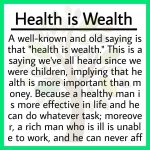
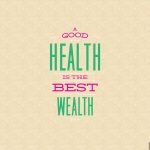
This wisdom often highlights that health isn’t merely the absence of disease; it’s a state of vibrant well-being encompassing body, mind, and spirit. As Mahatma Gandhi famously stated, “Health is true wealth and not pieces of gold and silver.” This isn’t just poetic; it’s a profound reorientation of priorities. No amount of material success can compensate for a depleted physical or mental state. When we view health as our primary asset, every choice, from what we eat to how we manage stress, becomes an investment in our richest possession.
Nourishing Your Temple: Ancient Sayings on Food and Sustenance
Our relationship with food is one of the most fundamental aspects of health, and health related sayings offer clear directives. The most iconic, attributed to Hippocrates, asserts: “Let food be thy medicine, and medicine be thy food.” This isn’t a call to self-medicate with extreme diets, but an invitation to view our daily nutrition as a powerful tool for maintaining and restoring health.
This wisdom encourages us to be intentional about what we consume, recognizing that every meal has the potential to either nourish or deplete us. It’s about more than just calorie counting; it’s about the quality, variety, and impact of what enters our bodies. “Eat like you respect yourself” is another powerful mantra, shifting the focus from external rules to internal self-worth. When we value our bodies, we naturally gravitate towards foods that fuel our vitality rather than diminish it. This means prioritizing whole, unprocessed foods, finding joy in preparation, and eating mindfully, savoring each bite. Choosing wisely today builds robust health for tomorrow, reducing reliance on conventional medicines by fostering internal resilience.
The Rhythm of Life: Sayings on Movement and Activity
Humans were not designed for sedentary lives. Our ancestors moved constantly, hunting, gathering, and building. This innate need for movement is reflected in timeless health related sayings like “After dinner rest a while; after supper walk a mile.” This isn’t just about digestion; it’s a gentle nudge towards integrating physical activity into daily rhythms, preventing stagnation and promoting circulation.
The context research highlights that movement “fuels the soul.” It’s not just about burning calories or building muscle; it’s about invigorating the entire system. Daily activity, especially outdoors, connects us to nature and promotes mental clarity. Modern experts like Dan Go echo this ancient wisdom, suggesting simple, accessible goals such as “8000 steps a day.” This isn’t about becoming a marathon runner; it’s about consistent, joyful movement that keeps the body supple, the mind sharp, and the spirit buoyant. Incorporating small bursts of activity throughout the day—taking the stairs, walking during phone calls, or stretching regularly—adds up to significant benefits, preventing the myriad issues associated with prolonged sitting.
Cultivating Inner Peace: Mind-Body Connection Sayings
Our minds and bodies are inextricably linked, a truth powerfully expressed in health related sayings. “Your body hears everything your mind says” is a profound reminder of the impact of our thoughts on our physical state. A constant stream of negative self-talk, stress, or anxiety can manifest as physical ailments, from digestive issues to chronic pain. Conversely, a positive outlook can be a powerful catalyst for healing and well-being.
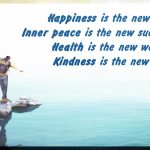
The Dalai Lama’s insight, “Happiness is the highest form of health,” elevates our emotional state to a prime position in our health hierarchy. This doesn’t mean ignoring physical symptoms, but recognizing that joy, contentment, and a healthy mind are fundamental ingredients for a vibrant life. “A healthy mind fuels a vibrant life” directly ties mental wellness to physical energy and enthusiasm. Practicing mindfulness, gratitude, and stress-reduction techniques like meditation isn’t just “fluffy”; it’s a critical component of a holistic health strategy. By nurturing positive thoughts and emotions, we create an internal environment conducive to healing and flourishing, bolstering our immune system and enhancing our overall resilience.
The Art of Restoration: Sayings on Sleep and Recovery
In our perpetually-on world, the value of rest is often underestimated, yet health related sayings have long championed its importance. “Early to bed and early to rise, makes a man healthy, wealthy, and wise,” is more than a quaint rhyme; it’s a prescription for optimal function. Adequate, consistent sleep is fundamental to physical repair, mental rejuvenation, and emotional balance.
Sleep isn’t downtime; it’s a period of intense restorative work for your body and brain. It’s when cells repair, memories consolidate, and energy stores replenish. Deprive yourself of sleep, and you compromise every aspect of your well-being, from cognitive function to immune response. The wisdom also reminds us that “laughter is the best medicine.” While not a substitute for medical care, joy and laughter are powerful healers, reducing stress hormones, boosting immune function, and fostering connection. Ensuring sufficient, quality sleep and actively seeking out sources of joy are non-negotiable components of self-care, critical for maintaining physical and mental vigor.
Prevention Over Cure: Sayings on Proactive Health
Perhaps one of the most impactful categories of health related sayings is that which champions prevention. “Prevention is better than cure,” a timeless adage attributed to Desiderius Erasmus, serves as a powerful call to action. It urges us to take proactive steps to safeguard our health rather than waiting for illness to strike before taking action.
This philosophy is gaining renewed relevance in modern healthcare. The research suggests that the “doctor of the future will prescribe strength training, a high protein diet, hydration, sunshine exposure, and 8000 steps a day,” moving beyond reactive treatments to focus on foundational health practices. This isn’t about avoiding doctors; it’s about making daily choices that minimize the need for medical intervention. Regular check-ups, a balanced diet, consistent exercise, and adequate rest are all forms of prevention. They are investments in your future self, building a robust defense against disease and ensuring sustained vitality. By embracing this proactive mindset, you gain agency over your health, transforming potential future problems into present opportunities for well-being.
Your Health, Your Responsibility: Sayings on Self-Care
Ultimately, the journey to optimal health is a deeply personal one, a truth emphasized by health related sayings that underscore self-responsibility. “Take care of your body. It’s the only place you have to live,” reminds us Jim Rohn. This isn’t just about physical maintenance; it’s about honoring the vessel that carries us through life. Every choice we make, every habit we form, contributes to the condition of our “home.”
Naval Ravikant’s stark but powerful advice, “Before healing others, heal yourself,” (or “Save yourself”) highlights that self-care is not selfish; it is foundational. We cannot pour from an empty cup. Prioritizing our own well-being—making those consistent, healthy choices—empowers us to show up more fully for our families, friends, and work. It’s an ongoing commitment to ourselves, one that requires awareness, discipline, and compassion. To deepen your understanding of how these daily choices accumulate into profound wisdom, you can Explore daily health wisdom. By embracing personal accountability, you become the primary architect of your health, making conscious decisions that lead to your best self.
Your Practical Playbook: Integrating Health Sayings Into Daily Life
These health related sayings are most effective when they move from abstract concepts to actionable behaviors. Here’s how to embed this wisdom into your routine:
- Choose Your Weekly Mantra: Select one saying that resonates with you each week. Write it down, make it your phone background, or stick it on your fridge. For example, for a week, your mantra might be, “Let food be thy medicine.”
- Mindful Moments: Use your chosen saying as a prompt for daily reflection. Before you eat, pause and consider, “Is this food medicine for my body?” Before bed, ask, “Did I allow myself enough rest today?”
- Actionable Challenges: Translate the saying into a small, tangible action. If it’s “After supper walk a mile,” commit to a 10-15 minute walk after your evening meal. If it’s “Your body hears everything your mind says,” dedicate five minutes to positive affirmations or mindful breathing.
- Journaling Prompts: Explore the deeper meaning of the saying by journaling. “How did ‘prevention is better than cure’ influence my choices today?” or “What does ‘health is true wealth’ mean in my current financial situation?”
- Visual Cues: Place sticky notes with sayings in strategic locations: by the water cooler for hydration, on your gym bag for movement, or next to your bed for sleep reminders.
- Accountability Partner: Share a saying with a friend or family member and encourage each other to apply its wisdom throughout the week.
Case Snippet: The “Walk a Mile” Transformation
Sarah, a busy professional, felt sluggish after dinner. She decided to adopt the saying, “After supper walk a mile,” translating it into a 15-minute neighborhood stroll. Initially, it felt like a chore, but within a month, she noticed improved digestion, better sleep, and a clearer head for evening tasks. The simple saying became a powerful catalyst for a healthier habit, proving that small, consistent actions guided by wisdom lead to significant change.
Quick Answers: Common Questions on Health Related Sayings
Q: Are these sayings just clichés, or do they hold real power?
A: They hold immense power because they are distillations of centuries of observed truth and experience. While they may seem familiar, their power lies in their ability to serve as concise, memorable mental shortcuts for making healthy choices and maintaining a positive mindset. They transcend mere clichés by offering a framework for consistent, beneficial action.
Q: How can I remember to apply these sayings when life gets busy?
A: Integrate them intentionally. Start with one saying at a time, making it your “theme” for the week. Use visual cues (sticky notes, phone reminders), set daily alarms for reflection, or share your chosen mantra with a friend for accountability. The key is consistent, small efforts rather than overwhelming changes.
Q: Which health related saying is the most important?
A: No single saying is universally “most important” because different ones resonate at different stages of life or with different needs. However, the foundational principle often emphasized is “Health is true wealth.” This saying reorients our priorities, making well-being the ultimate asset upon which all other aspects of a fulfilling life can be built.
Your Journey to Your Best Self: A Lifetime of Wisdom
The journey toward your best self is a continuous one, shaped by the choices you make every single day. The enduring power of health related sayings lies in their ability to simplify complex health principles into profound, actionable truths. They remind us that true well-being is a holistic endeavor, nurtured by mindful eating, consistent movement, adequate rest, a positive mindset, and a proactive approach to prevention.
By intentionally weaving this ancient wisdom into the fabric of your daily life, you’re not just adopting healthy habits; you’re investing in your most valuable asset. Each chosen saying, each conscious decision, is a step towards a more vibrant, resilient, and fulfilling existence. Start today by picking one saying that speaks to you, internalize its message, and watch how it begins to transform your path to enduring health.

Through this website, I share simple, science-backed tips for low impact health whether it's gentle fitness routines, stress-free wellness habits, or eco-friendly lifestyle changes. My goal is to make healthy living more accessible, sustainable, and kind to both our bodies.
- Healthy Eating Habits to Fuel Your Body for Lasting Vitality - May 9, 2026
- Inspirational Health Related Sayings for Your Best Self - May 8, 2026
- Healthy Mind Quotes for Cultivating Peace and Mental Strength - May 7, 2026