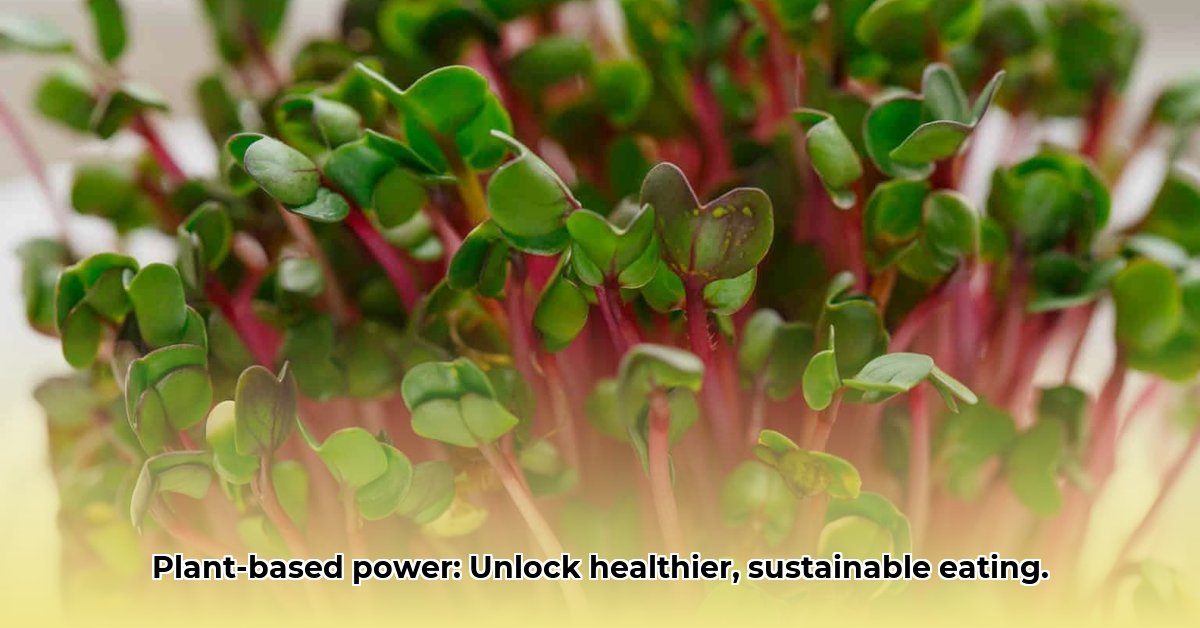
Ready to explore a plant-based diet? It might seem overwhelming, but it’s easier than you think! This guide will help you switch to a plant-based lifestyle. We’ll lead you through everything from getting the nutrients you need to making quick and tasty meals. Learn how to plan your meals, shop efficiently, and even navigate social situations with ease. Discover how embracing plants can benefit the planet too. For a flexible approach, check out this 50/50 plant-based guide. Let’s start your journey toward healthier, happier, and more sustainable eating!
Dieta Basada en Plantas: Your Journey to Healthier, Sustainable Eating
Embarking on a plant-based diet might appear daunting, but it’s simpler than it appears. This guide will help you navigate the transition by prioritizing health and environmental responsibility.
What Defines a Plant-Based Diet? Understanding the Basics
Before diving in, let’s clarify what a plant-based diet entails. It’s not necessarily about strict rules, but rather about shifting the focus of your plate.
-
Focus on Whole, Unprocessed Foods: Center your meals around fruits, vegetables, whole grains, legumes, nuts, and seeds.
-
Minimize Animal Products: Reduce or eliminate meat, dairy, eggs, and processed foods. Some variations include small amounts of animal products.
-
Emphasis on Variety: Incorporate a wide range of plant foods to ensure you’re getting a diverse spectrum of nutrients.
-
Individualized Approach: Adapt the diet to your preferences, needs, and cultural background. There’s no one-size-fits-all approach.
Planning Your Plant-Based Diet: Building the Foundation
A plant-based diet is like building a strong home; you need the correct nutritional foundation to thrive. Let’s begin!
1. Essential Nutrients: Getting Your Building Blocks Right
A well-planned plant-based diet gives your body all it requires. Some nutrients need more care. Vitamin B12, scarce in plant foods, might need supplements. When you eat iron-rich foods, pair them with vitamin C-rich foods to enhance iron absorption. Omega-3 fatty acids, which are essential for brain function and heart health, are often found in chia seeds and flaxseeds. Consider talking to your doctor or a registered dietitian. They will tailor a plan to fit your needs.
2. Crafting a Meal Plan: A World of Flavors
Eating plant-based means exploring different flavors. Play with herbs, spices, and cooking methods from around the globe.
| Day | Breakfast | Lunch | Dinner |
|---|---|---|---|
| Monday | Apple Cinnamon Oatmeal | Mediterranean Quinoa Salad | Lentil Soup with Whole-Wheat Bread |
| Tuesday | Green Smoothie | Black Bean & Corn Salad Wraps | Chickpea Curry with Brown Rice |
| Wednesday | Tofu Scramble | Roasted Vegetable & Hummus Bowl | Vegetable Stir-Fry with Tofu |
| Thursday | Chia Seed Pudding | Leftover Vegetable Stir-Fry | Sweet Potato & Black Bean Tacos |
| Friday | Peanut Butter Banana Toast | Salad with Grilled Halloumi (Optional) | Vegan Pizza with Veggie toppings |
| Saturday | Fruit Salad with Coconut Yogurt | Vegetable Paella | Mushroom & Lentil Stew |
| Sunday | Tofu Scramble | Black Bean Burgers | Roasted Vegetable Bowl |
There are plenty of plant-based recipes in cookbooks and online, so let your imagination soar! Variety ensures a balanced nutrient intake.
3. Smart Grocery Shopping: Navigating the Aisles
When grocery shopping, become a label investigator! Concentrate on complete, unprocessed foods. Avoid overly processed foods filled with sugar, unhealthy fats, and artificial ingredients. Buying seasonal fruits and vegetables tastes better and supports sustainability. Visit your local market for fresher produce, community support, and unique finds! Mindful shopping is vital to thriving on your plant-based lifestyle.
4. Social Occasions and Cravings: Staying on Track
Let’s be honest, cravings will happen, and social events can be challenging. It’s normal to experience bumps. To deal with cravings, keep healthy snacks such as nuts, fruits, and vegetable sticks with hummus nearby. When eating out, savor vegetarian options. You can also bring something you’ve made. A plant-based diet is about improving. Enjoy the process and sustainable changes.
Sustainability in a Plant-Based Diet: A Greener Plate
Choosing plants isn’t just about your body; it’s also about the world. Explore the environmental impact, and learn how our food choices affect the planet.
1. Reduce Your Footprint
Buying local and seasonal produce cuts emissions and supports farmers. Reducing waste through creative recipes and storage is essential. Composting food scraps reduces waste and helps the garden. Search for certified sustainable or organic products. Supporting agriculture is essential to minimizing your food’s impact.
2. The Environmental Footprint
Plant-based diets often have a smaller footprint than diets with meat, but it’s more complicated. Some plants, such as avocados and almonds, require lots of water. Food production significantly affects the environment. For example, the production of fruits and vegetables might use pesticides. New research improves our understanding of plants and growing practices. With knowledge, you can make better choices.
Long-Term Success: Making it Last
Changing your lifestyle takes time. Instead of only focusing on what you eat, create helpful habits for well-being.
1. Sustainable Habits
Add plant-based meals gradually. Set real goals. Track your improvement to keep motivated. Rejoice in your success, whether small or large. Don’t let setbacks discourage you. Consistency is more important than perfection. Start small, be consistent, and make it a sustainable way of life.
Understanding Potential Pitfalls: Addressing Common Concerns
While plant-based diets offer numerous advantages, it’s essential to address potential pitfalls and misconceptions:
-
Nutrient Deficiencies: Vitamin B12, iron, calcium, vitamin D, omega-3 fatty acids, and zinc are potential concerns. Strategic planning and supplementation can mitigate these risks.
-
“Health Halo” Effect: Just because a food is plant-based doesn’t automatically make it healthy. Processed vegan snacks can be high in sugar, salt, and unhealthy fats.
-
Sustainability Concerns: Certain plant-based foods, like almonds and avocados, have a significant environmental impact due to water usage and transportation. Make informed choices to minimize your footprint.
-
Social Challenges: Navigating social events and dining out can be tricky. Plan ahead, communicate your needs, and prepare to make compromises.
Resources
(Note: Here’s a list of suitable Spanish-language websites, books, and organizations.)
With suitable planning and support, a healthy and sustainable plant-based diet is feasible. Savor the journey to a healthier you and world!
How to Plan a Sustainable Plant-Based Diet for Optimal Nutrition
Key Takeaways:
- Plant-based diets offer several health advantages, but planning is important.
- Concentrate on whole foods rich in nutrients.
- Take care of nutritional deficiencies.
- Food choices should be sustainable.
Macronutrients
How to plan a sustainable plant-based diet for nutrition isn’t only changing meat with tofu; it’s also building a nutritional foundation. Protein, complex carbohydrates, and fats are indispensable.
Protein builds and repairs tissues. Get protein from lentils, beans, quinoa, nuts, and tofu. Fats from avocados, nuts, and seeds facilitate hormone production and brain function. Complex carbohydrates like starchy vegetables and grains provide energy. Make sure you get complex carbohydrates, proteins, and fats for good health.
You will find that getting enough of these is easy once you learn about delicious plant-based proteins.
Essential Nutrients
Some nutrients, such as vitamin B12 and iron, are harder to get from plants alone. B12 is scarce in plant foods, which means supplementation is important. Iron from plants fails to absorb as readily as iron from animals, but pairing it with vitamin C-rich nutrients facilitates absorption. For example, spinach salad with lemon is a power pairing! Calcium is essential for strong bones. Excellent sources include tofu, leafy greens, and fortified plant milks. Omega-3 fatty acids support your heart and brain. Fish alternatives include flaxseeds, walnuts, and chia seeds.

Through this website, I share simple, science-backed tips for low impact health whether it's gentle fitness routines, stress-free wellness habits, or eco-friendly lifestyle changes. My goal is to make healthy living more accessible, sustainable, and kind to both our bodies.
- The Best Habit Tracker Spreadsheet Templates for Simple Daily Progress - March 20, 2026
- Habit Tracking Apps Help You Achieve Your Personal Goals - March 19, 2026
- Atomic Habits Book Reveals How Tiny Changes Transform Your Life - March 18, 2026