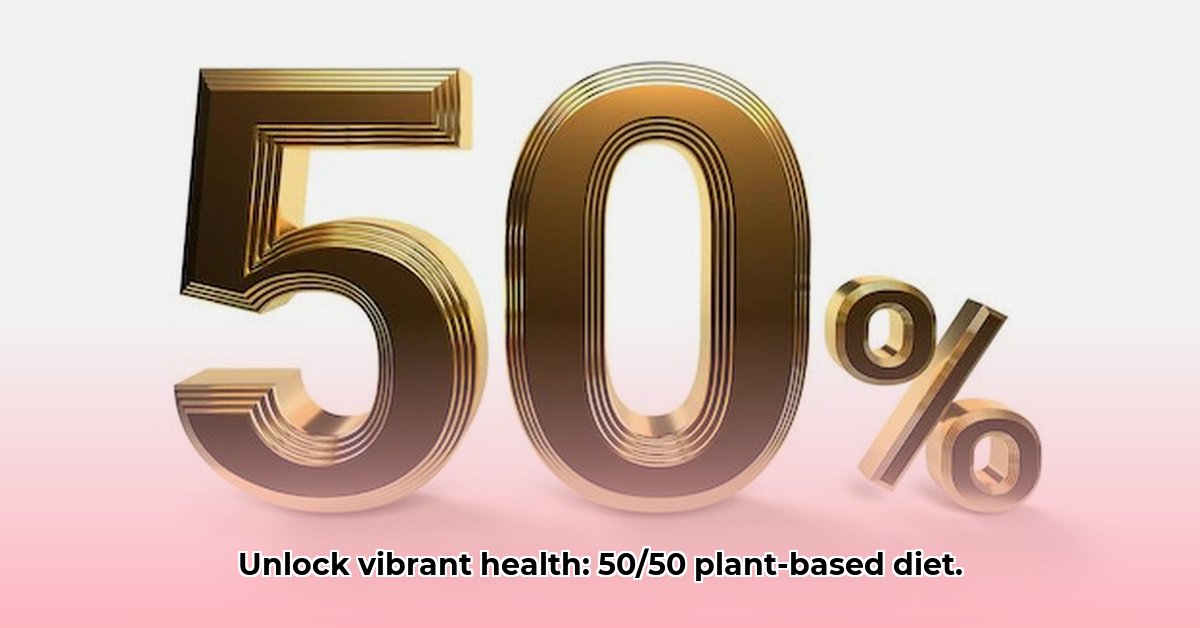
Want to feel amazing and enjoy delicious food? Let’s explore the 50/50 plant-based diet! This isn’t some strict, complicated plan; it’s a simple, adaptable way to eat more plants and feel better. We’ll show you exactly how to do it, comparing it to other popular plant-based approaches like Plantstrong and McDougall so you can find the best fit for you. We’ll cover everything from creating easy and tasty meal plans to understanding essential nutrients. Ready to boost your energy levels and enjoy some seriously satisfying food? Let’s get started! For a structured plan, check out this 30-day plant-based meal plan.
50/50 Plant-Based Diet: Your Simple Guide to Success – Embrace Plant-Forward Eating
Ready to feel healthier, lighter, and more energized? A 50/50 plant-based diet might be the perfect approach. It’s all about balancing your meals: aiming to fill half your plate with starchy plant foods like potatoes, whole grains, or beans, and the other half with non-starchy vegetables like leafy greens, broccoli, or peppers. But how does this simple plan compare to other well-known plant-centered eating styles? Let’s explore the simplicity behind embracing plant-forward eating!
Comparing Popular Plant-Based Approaches: 50/50, Plantstrong, and McDougall – Evaluating Plant-Based Options
Let’s take a closer look at three popular plant-based diets: the 50/50 plan, the Plantstrong approach, and the McDougall method. All emphasize whole, minimally processed plant foods, but their specific guidelines differ. How do you evaluate these plant-based options?
The Plantstrong diet, developed by Rip Esselstyn, encourages eating a wide variety of nutritious, whole plant foods without strict calorie counting. It’s about feeling satisfied and energized, focusing on volume and nutrient density – a flexible and sustainable approach.
The McDougall method, created by Dr. John McDougall, is a stricter, low-fat, starch-based approach. It eliminates all animal products, added oils, and limits higher-fat plant foods like avocados and nuts. This can lead to rapid weight loss and improved health markers, but some find it challenging to maintain long-term due to its restrictive nature.
Our 50/50 plant-based diet offers a balanced middle ground. It encourages a straightforward and adaptable approach, simply focusing on the proportions on your plate. It’s easy to personalize, making it sustainable for various lifestyles.
There’s no single “best” method. The ideal choice depends on your individual needs, lifestyle, and health goals. Consider your preferences, how much change you’re willing to undertake, and any specific health conditions before deciding which approach aligns best with you.
Your Step-by-Step Guide to a 50/50 Plant-Based Diet – Practical Steps for Plant-Based Meals
Ready to give the 50/50 approach a try? Here’s a practical roadmap to guide you with practical steps for creating plant-based meals:
-
Assess Your Current Diet: Before you begin, take an honest look at your current eating habits. Which plant-based meals do you already enjoy? What small, sustainable changes can you easily implement at first? Start gradually and focus on progress, not perfection.
-
Start Slowly, Don’t Rush: Don’t try to overhaul your entire diet overnight. Introduce more plant-based foods into your meals gradually. Perhaps swap one animal product for a plant-based alternative at each meal, or dedicate one day a week to fully plant-based eating.
-
Divide Your Plate in Half: This is the central principle of the 50/50 plan. Aim for half your plate filled with starchy vegetables, whole grains, or legumes, and the other half with non-starchy vegetables. It’s that simple!
-
Embrace Variety: Don’t get stuck in a rut! Eat a wide range of colorful vegetables, fruits, whole grains, and legumes. Experiment with different flavors, textures, and cooking methods to keep your meals exciting and enjoyable.
-
Listen to Your Body: Pay attention to how you feel after eating different foods. If you’re tired or lacking energy, you might need to adjust your food choices. Your body will provide valuable feedback, so listen closely.
-
Plan Your Meals Ahead: Meal planning is your secret weapon for success. Taking some time to plan your meals for the week makes sticking to your new diet much easier and saves you time and stress in the long run.
-
Include Healthy Fats (in Moderation): Unlike the stricter McDougall diet, it’s generally okay to incorporate moderate amounts of healthy fats like avocados, nuts, seeds, and olive oil. These fats contribute to satiety and overall well-being, but portion control is key.
-
Consult Your Healthcare Provider: Some people on plant-based diets might need to supplement with certain vitamins, such as vitamin B12 or vitamin D. Consult with your doctor or a registered dietitian to determine if supplementation is right for you.
Delicious 50/50 Meal Plan: A Day of Plant-Forward Eating – Plant-Based Meal Inspiration
-
Breakfast: A hearty bowl of oatmeal with berries, flaxseeds, and a few chopped walnuts. (Starchy oats, non-starchy berries)
-
Lunch: A vibrant salad featuring quinoa, chickpeas, mixed greens, bell peppers, cucumbers, and a light vinaigrette dressing. (Starchy quinoa, non-starchy veggies)
-
Dinner: A flavorful lentil soup packed with vegetables served with a slice of whole-grain bread. (Starchy lentils and bread, non-starchy vegetables in the soup)
Your Essential 50/50 Shopping List – Stocking Up for Plant-Based Success
- Fruits: Berries, bananas, apples, oranges, pears, grapes – choose your favorites!
- Vegetables: Leafy greens (spinach, kale, romaine lettuce), broccoli, cauliflower, carrots, bell peppers, zucchini, potatoes, sweet potatoes, corn – a wide variety is best!
- Legumes: Lentils, beans (kidney, black, pinto, cannellini), chickpeas – a great source of protein and fiber.
- Whole Grains: Brown rice, quinoa, oats, whole-wheat pasta, barley – for sustained energy and essential nutrients.
- Nuts and Seeds: Almonds, walnuts, chia seeds, flaxseeds, sunflower seeds – add healthy fats, fiber, and protein.
- Healthy Oils: Olive oil, avocado oil – use sparingly for cooking and dressings.
Addressing Potential Challenges: Nutrient Considerations – Optimal Nutrition Strategies
Like any dietary change, it’s important to ensure you’re meeting your nutritional needs while following optimal nutrition strategies. While the 50/50 plant-based diet can be incredibly healthy, careful planning and awareness are essential to avoid potential deficiencies. A varied diet rich in whole, unprocessed plant foods is your best defense. If you have any concerns, speak with your doctor or a registered dietitian to discuss potential nutrient deficiencies and whether supplementation is right for you.
Weighing the Pros and Cons of a 50/50 Plant-Based Diet
| Pros | Cons |
|---|---|
| Simple to understand and follow, making it sustainable for many lifestyles | Requires some planning and preparation to ensure balanced meals and adequate nutrient intake |
| Highly customizable to your individual tastes, preferences, and dietary needs | May not be suitable for individuals with specific medical conditions or dietary restrictions without guidance |
| Can promote healthy weight management by emphasizing whole, unprocessed foods | Potential for nutrient deficiencies if not well-planned and executed |
| Encourages increased consumption of nutrient-rich fruits, vegetables, whole grains, and legumes | Requires some education about diverse plant-based food options and their nutritional benefits |
Remember, this guide is a starting point. Adapt it to fit your unique lifestyle and needs. A 50/50 plant-based diet is a journey, not a race. Embrace the process of discovering delicious, healthy plant-based meals and enjoy the positive impact on your overall well-being!
Preventing Nutrient Deficiencies on a Plant-Based Diet – Prioritizing Nutrient Density
Key Takeaways:
- A well-planned plant-based diet can be incredibly nutritious, but careful attention to nutrient intake is crucial for preventing nutrient deficiencies on a plant-based diet.
- Prioritizing diverse, whole, nutrient-rich plant foods is paramount.
- Understanding the bioavailability of nutrients from various plant sources is key for optimal absorption.
- Supplementation, particularly for vitamin B12 and vitamin D, is often recommended.
- Regular blood work can help monitor nutrient levels and identify any potential imbalances.
Ready to embark on a 50/50 plant-based journey? Fantastic! This approach, where about half your meals are plant-based, offers a gentler transition while still reaping significant health benefits. But let’s address a crucial aspect: how to prioritize nutrient density and prevent nutrient deficiencies on a plant-based diet.
Understanding the Flexibility of the 50/50 Approach – Balancing Plant-Based Meals
The 50/50 method offers a flexible

Through this website, I share simple, science-backed tips for low impact health whether it's gentle fitness routines, stress-free wellness habits, or eco-friendly lifestyle changes. My goal is to make healthy living more accessible, sustainable, and kind to both our bodies.
- The Best Habit Tracker Spreadsheet Templates for Simple Daily Progress - March 20, 2026
- Habit Tracking Apps Help You Achieve Your Personal Goals - March 19, 2026
- Atomic Habits Book Reveals How Tiny Changes Transform Your Life - March 18, 2026