Are you curious about whether a plant-based diet can help with breast cancer? It’s a common question, and the answer requires careful consideration. This article delves into the connection between plant-focused eating and breast cancer, examining the evidence regarding benefits, recurrence rates, and practical ways to integrate these changes into your life. We’ll explore various types of plant-based diets, weighing their pros and cons, and provide actionable guidance for incorporating more plants into your meals, particularly if you’ve been diagnosed with breast cancer. Registered dietitians will also provide expert advice to ensure you receive adequate nutrition. Our aim is to deliver a clear, accessible overview of how plant-based eating may influence your breast cancer journey, offering valuable insights for everyone involved – patients, healthcare providers, and researchers alike. For more detailed information, see this helpful guide on plant-based diets.
Plant-Based Diets and Breast Cancer Risk: Decoding the Research
Let’s discuss plant-based diets and breast cancer. There’s considerable discussion about whether increasing plant consumption can improve survival rates, but the reality is more nuanced than a simple affirmation. Research presents a range of results, and it’s crucial to grasp these subtleties before making assumptions about the relationship between plant-based diets and breast cancer risk.
The Promise and the Challenges: Analyzing the Studies
Numerous studies suggest a link between our dietary choices and the body’s ability to combat cancer. A plant-based approach appears encouraging, but does it guarantee improved survival following a breast cancer diagnosis? Currently, a definitive answer remains elusive. While some studies indicate potential benefits, others find no clear correlation between plant-based eating and survival or recurrence. This isn’t due to flawed research; instead, the topic is remarkably intricate. Let’s explore further to understand why. Given the frequent association of high-fiber diets with better outcomes, can a plant-based diet truly make a difference?
Defining “Plant-Based”: What Does it Really Mean?
The term “plant-based” is surprisingly ambiguous. Consider two individuals adhering to plant-based diets: one prioritizes whole grains, vibrant vegetables, legumes, and nuts – a genuinely healthful plant-based diet(hPDI); the other primarily consumes processed vegetarian burgers, sugary fruit juices, and white bread – a less healthfull plant-based diet (uPDI). Notice the distinction? Both technically follow plant-based diets, but their nutritional content varies significantly. One offers an abundance of vitamins, minerals, and fiber; the other may lack these essential nutrients. It’s akin to comparing a whole apple to apple juice – both originate from apples but exert vastly different effects on your health.
Understanding the Research: Interpreting Plant-Based Diet Studies
A number of studies suggest that a diet rich in whole grains, fruits, vegetables, legumes, and nuts may be associated with lower mortality rates from other causes, especially among postmenopausal women. High-fiber diets frequently emerge as significant factors in these studies. However, the specific impact of a plant-based diet on breast cancer recurrence or survival remains a subject of debate. Some studies have not identified a strong connection, while others are inconclusive due to limitations in research methodologies. Variations in study design and methods of measuring dietary intake complicate the process of drawing definitive conclusions regarding the benefits of plant-based diet studies.
The Importance of Quality: Focusing on Nutrient Density
The principal takeaway is that the types of plants consumed are paramount. A diet dominated by processed plant-based foods does not confer the same advantages. Some research even suggests that an unhealthful plant-based diet, characterized by processed items, may actually elevate breast cancer risk in postmenopausal women by up to 20 percent. This underscores the critical importance of adopting a balanced approach to plant-based eating, centered on nutrient-dense choices.
Personalized Plans and Professional Guidance
The optimal strategy for addressing diet and breast cancer involves a personalized plan, crafted with the support of healthcare professionals. They can assess your specific health status, medical history, and other relevant factors to formulate a dietary strategy tailored to your individual needs.
| Stakeholder Group | Short-Term Goals (0-1 Year) | Long-Term Goals (3-5 Years) |
|---|---|---|
| Breast Cancer Survivors | Prioritize whole, unprocessed plant foods; minimize processed foods. Consult with a registered dietitian to develop a personalized plan. | Maintain a consistent, balanced plant-based diet. Explore opportunities to participate in relevant clinical trials. |
| Healthcare Providers | Educate patients on the importance of healthy eating; integrate nutritional counseling into patient care protocols. | Advocate for increased research to investigate the effects of diet on breast cancer outcomes. |
| Researchers | Conduct larger, more comprehensive studies, accounting for all potential confounding variables. Investigate the precise mechanisms by which diet influences breast cancer. | Develop more precise methods for assessing dietary intake; examine the effects of specific nutrients found in healthful plant-based diets. |
This information is intended solely for educational purposes and should not substitute for advice from your physician or other healthcare provider. A healthful plant-based diet can be a valuable component of a comprehensive breast cancer treatment and prevention plan, but it is not a singular solution. Personalized guidance from your healthcare team is essential. Keep in mind that ongoing research is continually refining our understanding of the relationship between diet and cancer; our knowledge is subject to change.
How to Choose a Healthful Plant-Based Diet for Breast Cancer Prevention: Practical Strategies
Key Takeaways:
- A healthful plant-based diet (hPDI) may decrease the risk of non-breast-cancer mortality, primarily by reducing cardiovascular disease risk.
- Currently, evidence linking hPDI to reduced breast cancer recurrence or breast cancer-specific mortality remains inconclusive, necessitating further research.
- Discriminating between healthful and unhealthful plant foods (uPDI) is paramount, as unhealthful plant foods may negate any potential benefits.
- Individualized dietary plans, developed in consultation with healthcare professionals, are essential for optimal outcomes.
- Long-term adherence to a hPDI may confer long-term benefits that are not yet fully understood in current research.
Understanding Plant-Based Diets: Important Considerations
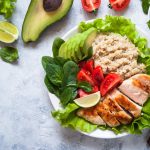
Selecting the appropriate plant-based diet is crucial. It’s not solely about excluding meat; it’s about emphasizing healthful plant foods. What does this entail? Prioritize whole grains, vibrant fruits and vegetables, legumes, and nuts – foods that are abundant in fiber, vitamins, and beneficial phytochemicals (plant-derived compounds with potential health-promoting properties). Conversely, unhealthful plant-based diets (uPDI) may encompass processed foods, sugary beverages, and refined grains, which offer minimal nutritional value and may even pose health risks. Therefore, the central question remains: how to choose a healthful plant-based diet for breast cancer prevention?
A Healthful Plant-Based Diet: Evaluating the Research
Studies indicate a strong association between healthful plant-based eating patterns and a reduced risk of overall mortality and mortality from causes other than breast cancer. This is largely attributable to the decreased risk of heart disease often associated with these diets. High-fiber diets, a hallmark of hPDI, are consistently linked to a lower risk of breast cancer and improved survival rates. However, the evidence regarding breast cancer recurrence and breast cancer-specific mortality is less definitive. Large-scale studies have produced mixed results, emphasizing the need for continued research. Inconsistencies in research findings may stem from several factors, including variations in the definition and measurement of “plant-based diet,” the potential for other variables to overshadow the impact of diet, and the necessity for long-term studies to detect lasting effects on recurrence.
Building a Healthful Plant-Based Plan: Actionable Tactics
Formulating a personalized plan is essential. Consider these steps:
- Consult Your Doctor: Discuss your dietary interests with your oncologist or a registered dietitian specializing in oncology nutrition.
- Prioritize Whole Foods: Emphasize whole, unprocessed plant foods, such as vibrant fruits and vegetables, legumes, whole grains, nuts, and seeds.
- Limit Processed Foods: Minimize consumption of processed foods, sugary drinks, and refined grains. What percentage of your diet should ideally consist of unprocessed foods?
- Gradual Transition: Implement dietary changes gradually to ensure sustainable adherence.
- Practice Mindful Eating: Pay attention to your body’s hunger and fullness cues.
- Stay Hydrated: Consume adequate water throughout the day.
- Seek Support: Consider seeking guidance from a registered dietitian or joining a support group for encouragement and assistance.
Addressing Potential Concerns: Navigating the Challenges
While a hPDI offers numerous potential benefits, it is crucial to address potential concerns:
- Nutrient Deficiencies: Plant-based diets may sometimes lack certain nutrients, such as vitamin B12 and iron. Careful planning and supplementation, under the guidance of your healthcare provider, are crucial to prevent these deficiencies.
- Adherence Challenges: Maintaining adherence to a new dietary regimen can be difficult. Finding creative ways to prepare healthy meals and cultivating a strong support network can be beneficial.
A healthful plant-based diet is not a panacea. It is one component of a comprehensive strategy for managing breast cancer and enhancing overall health. It is most effective when combined with other recommended cancer treatments and lifestyle modifications, tailored to your individual needs.

Through this website, I share simple, science-backed tips for low impact health whether it's gentle fitness routines, stress-free wellness habits, or eco-friendly lifestyle changes. My goal is to make healthy living more accessible, sustainable, and kind to both our bodies.
- Healthy Eating Habits to Fuel Your Body for Lasting Vitality - May 9, 2026
- Inspirational Health Related Sayings for Your Best Self - May 8, 2026
- Healthy Mind Quotes for Cultivating Peace and Mental Strength - May 7, 2026