A breast cancer diagnosis is a life-altering event, but actively learning how your food choices can support your fight is a powerful first step. This guide, “Plant-Based Diets for Breast Cancer Patients: Improve Outcomes Now,” provides an evidence-based understanding of how plant-based eating may contribute to improved health outcomes. We’ll explore a variety of plant-based dietary approaches and examine the latest research regarding their effectiveness. This isn’t just about eliminating meat; it’s about equipping you with the knowledge to create a personalized, sustainable, and genuinely healthy eating plan, guided by expert advice. We will also discuss how plant-based diets can work synergistically with your breast cancer treatment plan and explore dietary strategies for long-term cancer prevention. For more in-depth information, see this helpful guide: [Plant-based diets and breast cancer](https://happilylive.com/plant-based-diet-breast-cancer). Discover how a thoughtfully designed plant-based diet can make a tangible difference in your overall well-being, empowering you to take a more active role in your health journey.
Dietary Strategies: Exploring the Potential Role in Breast Cancer Recovery
Let’s delve into the potential role of plant-based eating in breast cancer recovery. It’s crucial to establish that a plant-based diet isn’t a standalone cure, but a potentially valuable tool within a comprehensive health strategy. While the relationship between diet and breast cancer is complex and an active area of research, numerous studies suggest the potential benefits of a plant-focused dietary approach. How can incorporating more plant-based foods influence breast cancer outcomes?
Evidence-Based Findings: Understanding the Importance of Nutritional Choices for Cancer Patients
Consider that a diet rich in fruits, vegetables, and whole grains generally supports overall health, contributing to disease resistance and enhanced well-being. However, when specifically examining breast cancer, accumulating evidence suggests potential benefits, though definitive proof remains an ongoing pursuit. Some studies reveal positive correlations between plant-rich diets and favorable outcomes, while others do not demonstrate a clear link. This underscores the need for continued research to fully elucidate how different plant-based approaches may impact cancer treatment and recovery. The understanding is evolving, and further investigation will clarify the specific ways plant-based diets can support cancer management.
Nutrition First: Understanding Healthy vs. Unhealthy Plant-Based Approaches
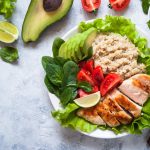
Simply excluding meat is insufficient; a genuinely healthy plant-based diet is crucial. This entails consuming a diverse range of colorful vegetables, whole grains such as brown rice and quinoa, legumes, nuts, and seeds – foods that nourish the body. Conversely, a diet consisting primarily of processed vegan snacks, sugary beverages, and refined grains can negate potential benefits and may even be detrimental to health. The quality of the food consumed, not simply its plant-based origin, is paramount. To illustrate, consider a high-performance car: optimal performance requires premium fuel, while cheap fuel diminishes performance. Similarly, the body benefits most from high-quality, nutrient-rich foods.
Optimal Nutrition: Building Blocks of a Healthy Plant-Based Diet
A beneficial plant-based diet is grounded in whole, unprocessed foods:
- Diverse Fruits and Vegetables: Seek a variety of colors to obtain a broad spectrum of nutrients that promote overall health and well-being.
- Whole Grains are Key: Prioritize brown rice, quinoa, oats, and other unrefined grains to provide the body with sustained energy.
- Legumes as Protein Sources: Beans, lentils, and chickpeas offer valuable protein and fiber, essential for strength and healthy digestion.
Limit or avoid processed foods, sugary beverages, and unhealthy fats. These can undermine the potential advantages of a plant-based approach.
Actionable Steps: A Practical Guide to Plant-Centric Eating for Breast Cancer Recovery
Here’s a step-by-step guide to transitioning to a more plant-centric diet:
- Consult a Registered Dietitian: A personalized plan tailored to your specific needs and medical history is invaluable. A dietitian can help navigate challenges and ensure adequate intake of essential nutrients.
- Small, Gradual Changes: Avoid drastic, overnight changes. Begin by incorporating one or two plant-based meals each week, gradually increasing as you feel comfortable.
- Prioritize Whole Foods: Choose fresh, whole foods whenever practical. They offer the greatest nutritional benefit.
- Read Labels Carefully: Scrutinize food labels to identify hidden sugars and processed ingredients. Seemingly healthy plant-based products may contain unexpected additives.
- Hydration Matters: Consume sufficient water throughout the day to support overall health and optimal bodily function.
- Listen to Your Body’s Signals: Pay attention to how different foods affect you. If a particular food causes discomfort or adverse effects, consider avoiding it.
Addressing Concerns: Examining the Role of Soy in Breast Cancer Diets
Soy is often discussed regarding plant-based diets and breast cancer. Research suggests potential health benefits, while other studies show varied results. The effects of soy may depend on the type of soy product consumed and an individual’s characteristics. Given the conflicting evidence, consult your physician or a registered dietitian to assess whether incorporating soy into your diet is appropriate for your situation. What are the different categories of soy products, and which are generally considered most beneficial?
Promising Research: Balancing Hope and Caution for Healthier Eating
While not a magical cure, a whole-foods, plant-based diet may offer benefits for breast cancer patients. It’s a journey that requires patience and understanding. Always collaborate with your healthcare team to develop a personalized plan that considers your health status, treatment, and individual requirements. They can provide clarity and help you make well-informed dietary choices. Ongoing research in this domain holds great promise, and a deeper understanding of optimal dietary strategies is expected in the future.
Nutritional Planning: Choosing a Healthful Plant-Based Diet for Breast Cancer Patients
Key Takeaways:
- A well-structured plant-based diet has the potential to provide health advantages to breast cancer patients. However, discerning between beneficial and detrimental versions is critical.
- Prioritizing whole, unprocessed foods—fruits, vegetables, whole grains, legumes, nuts, and seeds—is fundamental.
- Limiting or eliminating processed and red meats is generally recommended.
- Work with your oncologist and a registered dietitian to develop a personalized dietary plan.
Navigating Complexities: Understanding Plant-Based Eating for Breast Cancer
Numerous studies suggest a correlation between plant-based diets and improved outcomes in breast cancer. However, the specifics are nuanced. What defines a “good” plant-based diet, and how can patients ensure they are maximizing its potential benefits?
Dietary Choices: Understanding the Spectrum of Plant-Based Options and its effects
A beneficial plant-based diet (hPDI) prioritizes nutrient-dense whole foods, including a variety of colorful fruits and vegetables, whole grains such as quinoa and brown rice, and protein-rich legumes like lentils and chickpeas. These foods are rich in fiber, vitamins, minerals, and antioxidants, all of which support overall health and may be beneficial in cancer management. Conversely, an unhealthful plant-based diet (uPDI) might be characterized by a high intake of processed foods, refined carbohydrates, and added sugars found in sugary cereals, white bread, and processed fruit juices. These offer limited nutritional value and may be detrimental. This underscores the importance of focusing on nutrient density rather than solely the absence of animal products.
Healthy Eating: Crafting Your Healthful Plant-Based Meal Plan for optimal wellness
Here’s a guide to how to choose a healthful plant-based diet for breast cancer patients:
- Consult Your Healthcare Team: Discuss your dietary plans with your oncologist and a registered dietitian. They can help develop a plan tailored to your needs that does not interfere with your treatment.
- Prioritize Whole Foods: Incorporate a variety of colorful fruits and vegetables, whole grains, legumes, nuts, and seeds. These provide critical nutrients and fiber.
- Limit Processed Foods: Minimize refined grains, sugary drinks, and processed foods, which often lack nutrients and contribute to inflammation.
- Manage Your Protein Intake: Ensure you’re getting enough protein from plant-based sources like legumes, tofu, tempeh, nuts, and seeds. A dietitian can help determine your specific protein needs.
- Pay Attention to Fats: Consume healthy fats found in avocados, nuts, and olive oil, while limiting saturated and trans fats.
- Stay Hydrated: Drink adequate water throughout the day.
- Monitor Your Nutrient Levels: Regular blood tests can identify potential deficiencies, enabling timely dietary adjustments.
- Listen to Your Body: Pay attention to how you feel after meals and modify your plan accordingly.
Minimizing Health Risks: Addressing Potential Challenges of plant based eating for long term health
Address potential challenges associated with plant-based diets, such as nutrient deficiencies. Careful planning and supplementation, guided by your healthcare team, can help mitigate these risks. What specific nutrient deficiencies are most commonly associated with plant-based diets, and how can they be effectively addressed?

Through this website, I share simple, science-backed tips for low impact health whether it's gentle fitness routines, stress-free wellness habits, or eco-friendly lifestyle changes. My goal is to make healthy living more accessible, sustainable, and kind to both our bodies.
- Healthy Eating Habits to Fuel Your Body for Lasting Vitality - May 9, 2026
- Inspirational Health Related Sayings for Your Best Self - May 8, 2026
- Healthy Mind Quotes for Cultivating Peace and Mental Strength - May 7, 2026