Endometriosis: the word alone can bring a sigh of frustration. The pain, the exhaustion, the feeling of being constantly “off.” But what if changing what you eat could make a real difference? This isn’t a magic bullet, but a growing body of research suggests a plant-based diet may significantly ease endometriosis symptoms. For more information on plant-based diets and endometriosis, check out this helpful guide: plant-based endometriosis diet. This guide will walk you through the science, offer practical meal plans and shopping lists, and show you how to gradually switch to a plant-powered approach that works for you. We’ll cover everything from delicious recipes to addressing potential nutrient challenges, all while emphasizing the importance of working with your doctor and a registered dietitian. It’s about finding a path to feeling better, one delicious, healthy meal at a time.
Plant-Based Diet for Endometriosis: Natural Pain Relief
Endometriosis, that frustrating condition where uterine tissue grows outside the uterus, affects roughly 190 million women and girls of reproductive age globally. Common symptoms include severe pelvic pain, menstrual cramps, genital pain during or after sex, fertility complications, fatigue, low back pain, bloating, constipation, and diarrhea. While scientists haven’t cracked the exact cause, growing evidence strongly suggests that what you eat plays a big role in how severe your symptoms are. Many studies link diets heavy in red meat and processed foods to worse endometriosis pain and discomfort. On the other hand, a plant-based diet is showing some serious promise as a way to improve things. But how? It might work by reducing inflammation in your body and potentially influencing your hormone levels. Think of it as gently lowering the volume on your body’s inflammatory response, easing the discomfort.
The Science: How Plants Might Help Reduce Inflammation
Research keeps showing a positive connection between eating plenty of plants and having less-severe endometriosis symptoms. Fruits, vegetables, whole grains – they’re your new best friends! They’re packed with antioxidants and fiber, which are natural fighters against inflammation. And inflammation is a major player in the pain and discomfort of endometriosis. A 2021 literature review highlights the anti-inflammatory properties of plant-based diets, which may benefit women with endometriosis. Omega-3 fatty acids, found in foods like flaxseeds and walnuts, also seem to offer some relief for many women.
But let’s be honest: we don’t have all the answers yet. More research is definitely needed to fully understand the effects of specific foods, such as dairy or gluten. Some studies show a connection, while others don’t. This is why tailoring your diet to your body is so important.
Building Your Plant-Based Powerhouse: A Step-by-Step Guide with Meal Prep Ideas
Switching to a plant-based diet for endometriosis is a journey, not a race. Taking it slowly helps you avoid feeling overwhelmed and prevents those uncomfortable digestive issues. Here’s a step-by-step plan to make the transition smoother:
Step 1: Focus on Whole Foods
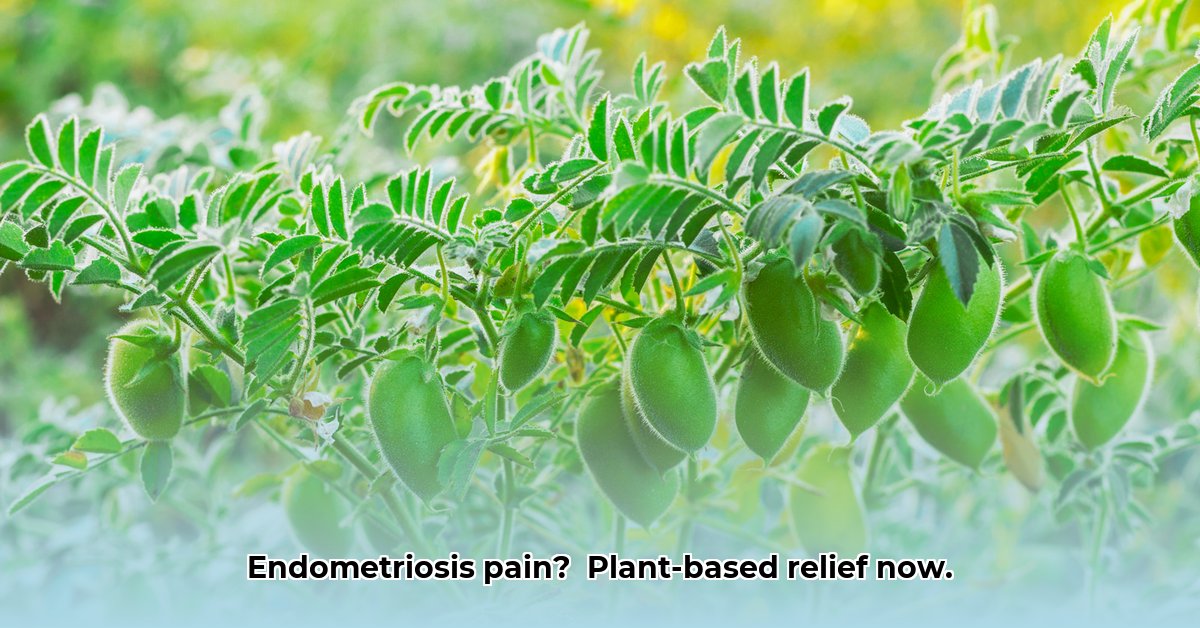
Start by loading up on whole, unprocessed plant foods. Think vibrant colorful fruits and vegetables, whole grains like brown rice and quinoa, and legumes (beans, lentils, chickpeas). Don’t forget the nuts and seeds! These are all packed with the good stuff.
Step 2: Saying Goodbye (or At Least Hello Less Often) to Red Meat and Processed Foods
Gradually reduce or eliminate red meat and processed foods from your diet. These often contain high levels of saturated fat and compounds that can fuel inflammation. Think of it as a gentle detox for your body. The Nurses’ Health Study II showed that women consuming more than two servings of red meat per day had a 56% greater risk of endometriosis, compared with those consuming less than one serving of red meat per week
Step 3: Sample Meals – It’s Easier Than You Think!
To make things easier, here are some simple meal ideas:
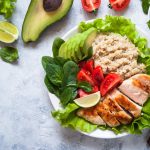
- Breakfast: A hearty bowl of oatmeal topped with berries and a sprinkle of nuts, or a smoothie blended with spinach, banana, and almond milk.
- Lunch: A comforting bowl of lentil soup, a big, satisfying salad with chickpeas and avocado, or a whole-wheat pita pocket filled with hummus and veggies.
- Dinner: A colorful vegetable stir-fry served over brown rice, tofu scramble with veggies, or a black bean burger on a whole-wheat bun.
Step 4: Your Personalized Grocery List
Stock your kitchen with:
- Fruits: Berries (strawberries, blueberries, raspberries), bananas, apples, oranges – choose your favorites!
- Vegetables: Leafy greens (spinach, kale), broccoli, sweet potatoes, carrots, bell peppers – aim for a rainbow of colors.
- Whole Grains: Brown rice, quinoa, oats, whole-wheat bread – these are your energy sources.
- Legumes: Lentils, chickpeas, kidney beans, black beans – great sources of protein and fiber.
- Nuts and Seeds: Almonds, walnuts, chia seeds, flax seeds – healthy fats and essential nutrients.
- Seaweed: Nori, kelp, wakame – consider incorporating seaweed for its potential estrogen-modulating properties.
Step 5: Hydration: Your Body’s Best Friend
Drink plenty of water throughout the day. Good hydration helps with digestion and overall well-being. Aim for at least 8 glasses a day, more if you’re active.
Step 6: Fiber Power: Slowly but Surely
Increase your fiber intake gradually to prevent gas and bloating. Start by adding more fruits, vegetables, and whole grains to your meals. Aim for approximately 35 grams of fiber each day.
Step 7: Keep a Food Diary – Your Personal Detective
Keep track of what you eat and how you feel afterward. This simple step can help you spot any potential food triggers that might be worsening your symptoms.
Potential Challenges and How to Overcome Them for Endometriosis Patients
While a plant-based diet is mostly beneficial, careful planning is key.
Potential Challenges:
| Challenge | Solution |
|---|---|
| Nutrient Deficiencies | Some nutrients, like iron, vitamin B12, calcium, vitamin D, and zinc, may be lower in plant-based diets. Talk to your doctor about potential supplements and consider fortified foods. Red meat is rich with zinc, if you follow a vegetarian or vegan diet, ask a healthcare professional about good sources of zinc for you and whether you could benefit from a zinc supplement. |
| Digestive Issues | Increase fiber gradually, and stay well-hydrated. Listen to your body and adjust accordingly. |
| Finding Recipes | There are tons of delicious plant-based recipes online and in cookbooks. Experiment and find what you enjoy! |
| Social Situations | Plan ahead! Offer to bring a plant-based dish to gatherings, or research restaurants ahead of time to ensure there are options for you. |
Important Note: A plant-based diet is a supportive therapy and should complement, not replace, conventional medical treatments for endometriosis. Always consult your doctor and a registered dietitian or nutritionist before making major dietary changes.
The Bottom Line: Empowering You to Take Control of Endometriosis
A plant-based diet offers a promising avenue for managing endometriosis symptoms. It’s not a magical cure-all, but for many women, it can significantly reduce pain and improve overall wellbeing. Remember, this is a personal journey. Work closely with your doctor and a registered dietitian to create a plan that’s perfectly suited to your individual needs and health situation. Your journey to better health is unique—embrace it! And don’t forget, research on this topic is ongoing, so stay informed about new findings.
How to Personalize an Endometriosis Diet Plan Based on Gut Microbiome Imbalances
Key Takeaways:
- Endometriosis involves inflammation, hormone imbalances, and gut issues. A personalized diet can help.
- Plant-based eating may reduce inflammation and improve gut health.
- How to personalize endometriosis diet plan based on gut microbiome requires understanding your unique needs.
- Professional guidance is crucial for creating a safe and effective plan.
- Long-term dietary changes are essential, not just quick fixes.
Understanding Your Gut’s Role in Endometriosis Management
Endometriosis isn’t just about pain; it’s a complex interplay of factors. Your gut microbiome – the trillions of bacteria in your digestive system – plays a significant role. An imbalanced microbiome can worsen inflammation, affecting your endometriosis symptoms. What does this mean for you? It means a one-size-fits-all approach to diet won’t work. Endotoxin, a bacterial toxin released from certain bacteria when they die, can cause inflammation and may also play a role in endometriosis.
The Science of Personalized Nutrition for Endometriosis
Research shows a strong link between diet, gut health, and endometriosis. A diet rich in fruits, vegetables, and whole grains can reduce inflammation. However, how to personalize endometriosis diet plan based on gut microbiome is key. Some foods might trigger inflammation in one person but be fine for another. That’s where personalized nutrition comes in.
Building Your Personalized Plant-Based Diet Plan: Guidance From Experts
This isn’t about strict rules. It’s about finding your best diet.
Step 1: Assess Your Gut. Consider a gut microbiome test to identify potential imbalances. Your doctor or a registered dietitian can guide

Through this website, I share simple, science-backed tips for low impact health whether it's gentle fitness routines, stress-free wellness habits, or eco-friendly lifestyle changes. My goal is to make healthy living more accessible, sustainable, and kind to both our bodies.
- Healthy Eating Habits to Fuel Your Body for Lasting Vitality - May 9, 2026
- Inspirational Health Related Sayings for Your Best Self - May 8, 2026
- Healthy Mind Quotes for Cultivating Peace and Mental Strength - May 7, 2026