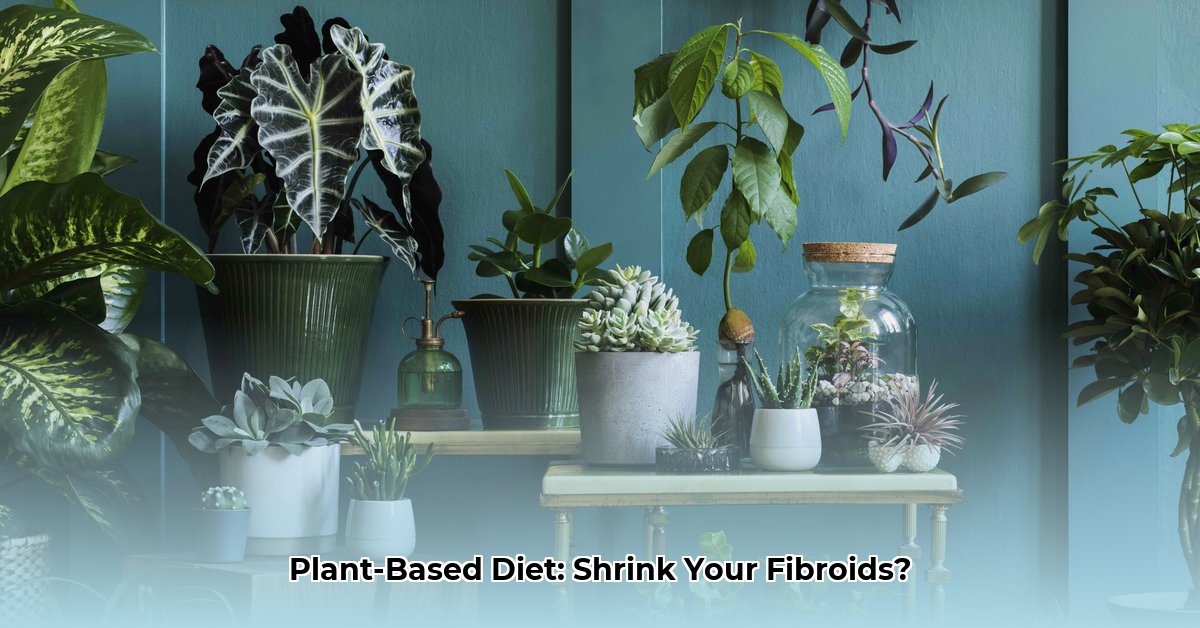
Dealing with uterine fibroids? You’re not alone, and you might be surprised how much your diet could help. This article explores the link between what you eat and fibroids, showing you how a plant-based approach can ease symptoms. For similar conditions, learn more about [plant-based diets](https://happilylive.com/endometriosis-plant-based-diet). We’ll break down the science, give you practical tips on making the switch to more plants, and share inspiring stories. It’s all about empowering you to take charge of your health through smarter food choices.
Understanding Uterine Fibroids and Their Impact
Uterine fibroids, also known as leiomyomas, are non-cancerous tumors that develop in the uterus. The size, number, and location of these growths can vary significantly, leading to a wide range of symptoms. Some women may experience no symptoms at all, while others suffer from heavy menstrual bleeding, pelvic pain, frequent urination, and even infertility. These symptoms can significantly impact a woman’s quality of life, making effective management strategies essential.
The exact cause of fibroids remains unclear, but hormonal factors, genetics, and lifestyle choices are believed to play a role. Estrogen and progesterone, the female reproductive hormones, stimulate the growth of fibroids. This explains why fibroids often shrink after menopause, when hormone levels decline. While medical treatments like medication and surgery are available, many women seek complementary approaches, including dietary changes, to manage their symptoms.
The Potential Role of a Plant-Based Diet
A growing body of research suggests that diet may influence the development and progression of uterine fibroids. Specifically, a plant-based diet, rich in fruits, vegetables, whole grains, and legumes, has been linked to a reduced risk of fibroids and improved symptom management. This dietary approach focuses on whole, unprocessed foods, while limiting or eliminating animal products like meat and dairy. But how exactly can a plant-based diet help? Let’s delve into the science.
How Plant-Based Diets May Help
-
Reduced Inflammation: Chronic inflammation is implicated in numerous health conditions, including fibroids. Plant-based diets are naturally anti-inflammatory, thanks to their abundance of antioxidants and phytonutrients. These compounds help neutralize free radicals and reduce oxidative stress, thereby lowering inflammation levels throughout the body.
-
Hormone Balance: Plant-based diets can promote healthy hormone balance by supporting liver detoxification and regulating estrogen metabolism. Fiber, abundant in plant foods, helps eliminate excess estrogen from the body, preventing it from fueling fibroid growth. Certain plant compounds, like phytoestrogens, can also bind to estrogen receptors, modulating their activity and potentially reducing the impact of estrogen on fibroids.
-
Weight Management: Obesity is a known risk factor for fibroids, as excess body fat can increase estrogen production. Plant-based diets are generally lower in calories and higher in fiber, promoting satiety and aiding in weight management. Maintaining a healthy weight can help regulate hormone levels and reduce the risk of fibroid development.
-
Improved Gut Health: The gut microbiome plays a crucial role in overall health, including hormone regulation and immune function. Plant-based diets, rich in prebiotic fiber, nourish beneficial gut bacteria, promoting a healthy and balanced microbiome. This, in turn, can improve estrogen metabolism and reduce inflammation.
Building Your Plant-Based Plate: What to Include
Transitioning to a plant-based diet doesn’t have to be overwhelming. Here’s a guide to building a plate that supports uterine health:
-
Fruits and Vegetables: Aim for a rainbow of colors to ensure a variety of nutrients. Focus on leafy greens, cruciferous vegetables (broccoli, cauliflower, kale), berries, citrus fruits, and colorful bell peppers.
-
Whole Grains: Choose whole grains like brown rice, quinoa, oats, and whole-wheat bread over refined grains like white rice and white bread.
-
Legumes: Beans, lentils, chickpeas, and peas are excellent sources of fiber and protein. Incorporate them into soups, stews, salads, and main dishes.
-
Nuts and Seeds: These provide healthy fats, protein, and essential nutrients. Choose unsalted varieties and enjoy them in moderation.
-
Healthy Fats: Include sources of healthy fats like avocados, olive oil, nuts, and seeds.
Foods to Limit or Avoid
-
Red Meat: Studies suggest a link between high red meat consumption and increased fibroid risk. Limit your intake of beef, pork, and lamb.
-
Processed Foods: These are often high in unhealthy fats, added sugars, and sodium. Avoid packaged snacks, sugary drinks, and fast food.
-
Refined Carbohydrates: White bread, white rice, and pastries can contribute to inflammation and weight gain. Choose whole grains instead.
-
Alcohol: Excessive alcohol consumption can disrupt hormone balance and increase fibroid risk. Limit your intake or avoid it altogether.
Practical Tips for Making the Switch
-
Start Gradually: Don’t feel the need to overhaul your diet overnight. Begin by making small, sustainable changes, such as adding a side salad to your meals or swapping red meat for lentils once a week.
-
Plan Your Meals: Planning ahead can help you stay on track and avoid unhealthy impulse decisions. Take some time each week to plan your meals and create a grocery list.
-
Experiment with Recipes: Explore plant-based cookbooks and websites to discover new and delicious recipes. There are countless ways to enjoy plant-based foods.
-
Read Labels: Pay attention to nutrition labels and ingredient lists to make informed choices.
-
Seek Support: Connect with friends, family, or online communities for support and encouragement.
Success Stories: Real Women, Real Results
While scientific research is essential, hearing from women who have experienced positive results with a plant-based diet can be incredibly inspiring. Many women report reduced fibroid symptoms, including lighter periods, less pain, and improved energy levels, after adopting a plant-based approach. While individual results may vary, these stories highlight the potential benefits of dietary changes.
“After struggling with heavy bleeding and debilitating pain for years, I decided to try a plant-based diet. Within a few months, I noticed a significant improvement in my symptoms. My periods became lighter, and I had much less pain. I finally felt like I was in control of my body again.” -Sarah M.
“I was diagnosed with fibroids in my late 30s and was told that surgery was my only option. I wasn’t ready to go down that route, so I started researching alternative approaches. I came across information about the benefits of a plant-based diet and decided to give it a try. To my surprise, my symptoms gradually improved, and I was able to avoid surgery. I’m so grateful for the power of plant-based eating.” – Maria L.
The Science Behind Plant-Based Diets and Fibroids
Numerous studies link a plant-based diet to improved fibroid symptom management. It is important to note that large-scale studies are needed to definitively confirm the extent to which diet influences fibroid size and growth. Also, the precise mechanisms through which a plant-based diet might help are still under investigation.
Holistic Approach and Medical Care
Successfully managing fibroids involves a comprehensive strategy. A plant-based diet is a powerful tool, but it’s just one piece of the puzzle. Combine it with regular exercise, stress-reduction techniques, and regular check-ups with your doctor for the best overall results.
Medical treatments for uterine fibroids include:
-
Medications: Birth control pills, hormone-releasing IUDs, and GnRH agonists can help manage symptoms like heavy bleeding and pain.
-
Non-Invasive Procedures: MRI-guided focused ultrasound (FUS) can be used to shrink fibroids without surgery.
-
Minimally Invasive Procedures: Uterine artery embolization (UAE) and myomectomy can remove or shrink fibroids with smaller incisions and shorter recovery times.
-
Surgery: Hysterectomy, the removal of the uterus, is a definitive treatment for fibroids but is typically reserved for severe cases or when other treatments have failed.
Important Considerations When Making Dietary Changes
| Factor | Potential Upsides | Possible Downsides |
|---|---|---|
| Plant-Based Diet | May reduce inflammation, improve hormone balance, boost overall health | Requires careful planning to avoid nutrient deficiencies. |
| Fibroid Size | Might be more impactful for managing symptoms with smaller fibroids. | Larger fibroids might require additional medical interventions. |
| Individual Differences | What works wonderfully for one person might not work the same for another. | Careful monitoring and adjustments are essential. |
| Nutrient Deficiencies | May make nutrient deficiencies less likely | Requires careful meal planning |
This article is for informational purposes only and shouldn’t be considered medical advice. Always consult your healthcare provider before making significant dietary changes, especially if you have underlying health concerns. They can offer personalized guidance based on your unique situation.
Dietary Strategies: How to Shrink Uterine Fibroids Naturally with Diet
Key Takeaways:
- A plant-based diet may help manage uterine fibroid symptoms.
- Reducing red meat and processed foods is often recommended.
- Increasing fruits, vegetables, and fiber intake can be beneficial.
- More research is needed to confirm these effects definitively.
- Consult a healthcare professional for personalized advice.
Understanding the Link Between Diet, Inflammation,

Through this website, I share simple, science-backed tips for low impact health whether it's gentle fitness routines, stress-free wellness habits, or eco-friendly lifestyle changes. My goal is to make healthy living more accessible, sustainable, and kind to both our bodies.
- The Best Habit Tracker Spreadsheet Templates for Simple Daily Progress - March 20, 2026
- Habit Tracking Apps Help You Achieve Your Personal Goals - March 19, 2026
- Atomic Habits Book Reveals How Tiny Changes Transform Your Life - March 18, 2026