It starts quietly. You’re in a meeting, and your mind drifts to what you’ll have for lunch. Then it gets louder. You’re trying to focus on a project, but your brain is mentally cataloging the contents of the fridge. Before you know it, you feel completely obsessed with food, and the constant mental chatter is exhausting. If this sounds familiar, you’re not alone, and it’s not a sign of weakness—it’s a signal from your body and brain that something is out of balance.
At a Glance: Reclaiming Your Mental Energy From Food Thoughts
- Physiology First: Understand how chronic under-eating and inconsistent meals are the primary drivers of food obsession. Your body’s survival instincts are powerful.
- The Restriction Rebound: Learn why mental rules—labeling foods as “good” or “bad”—can be just as potent as physical deprivation in fueling cravings and fixation.
- Know When to Seek Help: Recognize the key differences between common food preoccupation and the more serious warning signs of an eating disorder.
- Actionable Steps: Discover a practical, four-step playbook to start building a more peaceful relationship with food today, moving from obsessed to confident.
Your Brain on an Empty Stomach: The Biology of Food Fixation
Before you can solve the problem, you have to understand the source. Constant thoughts about food are rarely about a lack of willpower. More often, they are a predictable, biological response to a perceived state of scarcity.
The Survival Switch: Homeostatic vs. Hedonic Hunger
Your brain has two main systems for regulating food intake. Think of them as two different kinds of hunger signals.
- Homeostatic Hunger (The “Need Fuel” Signal): This is your body’s core survival mechanism. When you’re low on energy, your stomach produces the hormone ghrelin, which travels to your brain and screams, “We need calories to survive!” This system doesn’t care about taste or pleasure; it just wants fuel.
- Hedonic Hunger (The “Want Pleasure” Signal): This pathway is driven by the pursuit of pleasure. It’s why you crave a warm, gooey brownie even after a full meal. Highly palatable foods (rich in fat, sugar, and salt) trigger dopamine release in your brain’s reward center, making you want more.
When you’re consistently under-fueling, the homeostatic “need” signal becomes deafening. Your brain interprets the lack of calories as a famine, and its primary directive becomes finding food. This biological imperative is the foundation for understanding Why food is always on your mind.
The Undereating Effect: A Lesson from a Landmark Study
If you doubt the power of deprivation, look no further than the Minnesota Starvation Experiment conducted after World War II. In this study, healthy young men were put on a restrictive diet of about 1,600 calories per day to study the effects of famine.
The results were staggering. These men, who had previously normal relationships with food, became completely obsessed with it. They would read cookbooks for hours, daydream about meals, and talk of little else. Their personalities changed; they became irritable, withdrawn, and anxious. Their obsession only subsided when they were allowed to eat freely again.
This study proves a critical point: being obsessed with food is a normal and expected response to restriction. Your body doesn’t know you’re on a “diet.” It thinks you’re starving, and it will use all its mental and biological power to get you to eat.
Signs you might be under-eating:
- You think about your next meal immediately after finishing one.
- You feel cold more often than others.
- You’re tired, foggy, and have trouble concentrating.
- You feel irritable or emotionally flat.
When “Just Don’t Eat It” Backfires: The Psychology of Restriction

While biology lays the groundwork, psychology pours gasoline on the fire. The rules you create around food can fuel obsession just as much as an empty stomach.
The “Forbidden Fruit” Phenomenon
Telling yourself you can’t have something is a surefire way to make you want it more. This psychological reactance is wired into us. When a food is labeled “off-limits,” it gains a special, alluring status.
Think about it: if someone tells you not to think about a pink elephant, what’s the first thing that pops into your head? Food works the same way. The more you try to white-knuckle your way through a craving for pizza, the more mental real estate that pizza will occupy.
The Hidden Toll of Mental Restriction
This is the sneakiest form of restriction. You might be eating enough calories, but you’re drowning in food rules and guilt.
- Mental restriction is the voice in your head that says, “You shouldn’t have eaten that,” or “You’ll have to work out for an hour to burn off that cookie.”
- It involves categorizing foods as “good” (safe) and “bad” (dangerous).
- It creates a cycle of eating a “bad” food, feeling intense guilt and shame, and then vowing to be “better” tomorrow—which often leads to more restriction and, eventually, another backlash.
Case Snippet:
Alex allowed himself a donut at the office party. Physically, he was satisfied. But mentally, the rest of his day was consumed. He calculated the calories, planned a punitive gym session, and mentally berated himself for his “lack of control.” The donut was gone in two minutes, but the mental obsession lasted for hours. This is the work of mental restriction.
This cycle of guilt and compensation keeps food at the forefront of your mind, turning eating from a source of nourishment into a source of anxiety.
Drawing the Line: Food Obsession vs. an Eating Disorder
It’s crucial to distinguish between a period of food preoccupation—often caused by dieting—and a more serious, diagnosable eating disorder. While only a qualified professional can provide a diagnosis, knowing the warning signs can help you understand when to seek help.
| Common Food Thoughts (Often Diet-Induced) | Potential Red Flags for an Eating Disorder |
|---|---|
| Frequently thinking about the next meal or snack. | Intrusive, all-consuming thoughts that cause significant distress and interfere with daily life (work, school, relationships). |
| Feeling guilty after eating a “forbidden” food. | Intense, debilitating guilt or shame after eating; feeling a complete loss of control around food. |
| Following food rules to be “healthy.” | Rigid, ritualistic behaviors around food (e.g., cutting food into tiny pieces, eating in a specific order, refusing to eat in front of others). |
| Worrying about food’s impact on your weight. | Obsessive calorie counting, weighing oneself multiple times a day, and a self-worth that is overwhelmingly tied to weight or body shape. |
| Occasionally skipping social events to stick to a diet. | Withdrawing from friends and family to avoid food-related situations; social isolation. |
| If your thoughts about food are causing significant emotional distress, disrupting your ability to function, and making you feel isolated and out of control, it is a sign of strength to reach out to a registered dietitian, therapist, or eating disorder specialist. |
Your 4-Step Playbook to Reclaim Your Mental Space
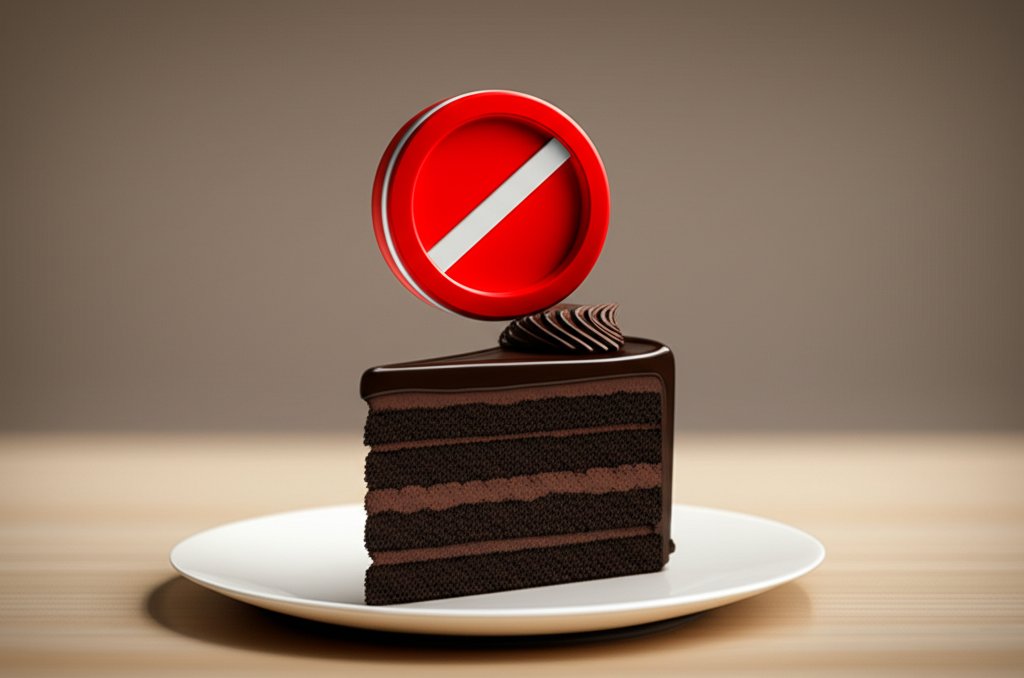
Breaking free from food obsession requires a multi-faceted approach that addresses both your body’s physical needs and your mind’s learned patterns.
Step 1: Fuel Your Body Consistently and Adequately
You cannot out-think a biological need. The first and most important step is to eat enough food, consistently throughout the day.
- Eat Regular Meals: Aim for three balanced meals and one to three snacks. Don’t wait until you’re ravenously hungry to eat.
- Balance Your Plate: Include protein, complex carbohydrates, and healthy fats at every meal. This combination promotes satiety and stabilizes blood sugar, which helps quell the constant “I’m hungry” signals.
- Eat Foods You Actually Enjoy: If your diet consists solely of steamed chicken and broccoli, of course you’ll daydream about pasta. Incorporate satisfying and pleasurable foods into your balanced meals.
Step 2: Practice Mindful Engagement, Not Just Distraction
While distraction can be a useful short-term tool, true peace comes from changing how you relate to food.
- Eat Without Screens: Put your phone away and turn off the TV. When you eat, just eat.
- Engage Your Senses: Before you take a bite, notice the smell, color, and texture of your food.
- Chew Slowly: Put your fork down between bites. This gives your brain time to register fullness cues. By slowing down, you give your body a chance to tell you when it’s had enough, reducing the chance of feeling uncomfortably full and the guilt that often follows.
Step 3: Dismantle Your Food Rules with “Food Habituation”
The best way to neutralize a “forbidden” food’s power is to make it boring. This process is called habituation.
- Make a List: Write down your “forbidden” or “scary” foods.
- Start Small: Choose one food from the list that feels manageable. Let’s say it’s chocolate chip cookies.
- Plan the Exposure: Buy a small package of the cookies. Plan to have one with your afternoon snack in a calm, relaxed setting. Not when you’re starving or emotionally distressed.
- Eat Mindfully: Eat the cookie slowly, paying full attention. Notice the taste and texture.
- Assess and Repeat: Afterward, check in with yourself. You survived! The world didn’t end. Repeat this process over several days. Soon, the cookies will just be cookies, not a forbidden idol. Their novelty and power will fade.
Step 4: Get Curious About Your Triggers
When an intense food thought pops up, pause and become a detective instead of a judge.
- Ask “Why Now?”: What were you just doing or feeling?
- Boredom: “I’m not hungry, I’m just looking for something to do.”
- Stress: “I’m feeling overwhelmed by my work deadline and my brain is seeking a quick comfort.”
- Loneliness: “I’m feeling disconnected and food feels like a friend.”
- Develop a “Coping Menu”: Once you identify the trigger, you can find a non-food solution. Create a list of activities that meet the underlying need: call a friend, take a 5-minute walk, stretch, listen to a favorite song, or journal.
Quick Answers to Common Questions
Q: Why do I think about food even right after I’ve eaten a full meal?
A: This is a classic sign of either chronic under-eating or an imbalanced meal. Your body may have gotten volume, but not the specific nutrients (like enough carbs or fat) it needs for long-term satisfaction. It can also be a learned habit, where your brain is simply used to obsessing over food, regardless of your physical hunger level.
Q: I’m scared I’ll gain weight if I stop restricting food. How do I handle that?
A: This is a valid and common fear. When you first stop restricting, you might experience some initial weight fluctuations as your body adjusts and re-learns to trust you. However, by consistently honoring your hunger and fullness cues, your body will eventually settle at a natural and sustainable weight. Working with a registered dietitian can be incredibly helpful in navigating this fear.
Q: How can I tell if my “healthy eating” has crossed the line into an obsession?
A: The key difference is flexibility vs. rigidity. Healthy eating enhances your life; obsession constricts it. If your food rules cause you anxiety, prevent you from enjoying social situations, or take up an enormous amount of your mental energy, your approach may have become more obsessive than healthy.
From Food-Obsessed to Food-Confident
If you feel obsessed with food, know this: your brain isn’t broken. It’s responding to a set of signals—biological, psychological, and emotional. The constant mental chatter isn’t the core problem; it’s a symptom pointing you toward a deeper need for more nourishment, more permission, and more self-compassion.
The path to quieting the noise isn’t about more control or stricter rules. It’s about letting go. It’s about trusting your body, dismantling the rules that have kept you stuck, and proving to yourself that you can coexist peacefully with all foods. By fueling your body adequately and challenging your mental restrictions, you can reclaim your mental energy and find a place of quiet confidence around food.

Through this website, I share simple, science-backed tips for low impact health whether it's gentle fitness routines, stress-free wellness habits, or eco-friendly lifestyle changes. My goal is to make healthy living more accessible, sustainable, and kind to both our bodies.
- Free Printable Trackers Help You Build Better Daily Habits - April 3, 2026
- Free Printable Habit Trackers Motivate You To Reach Your Goals - April 2, 2026
- Monthly Tracker Template Helps You Build Lasting Habits and Reach Goals - April 1, 2026