judulcuy: MS and Plant-Based Diets: A Hopeful Path to Better Health
bahasaart: en-us
formatart: informational article with elements of instructional guide
kabeh: MS, plant-based diet, multiple sclerosis, inflammation, gut health, antioxidants, saturated fat, immune system, fatigue, phytonutrients, microbiome, TMAO, dietary fiber, SCFAs, dietitian, nutritionist, McDougall Program, neurological conditions, brain health, symptom management
MS and Plant-Based Diets: A Hopeful Path to Better Health
Can dietary changes truly impact the management of multiple sclerosis (MS) and foster improved brain health? While a definitive “yes” or “no” remains elusive, mounting evidence suggests that a plant-based diet could be a significant ally in enhancing overall health, mitigating inflammation, and promoting well-being. For more detailed information on plant-based diets and MS, check out this helpful resource: learn more. Let’s delve into this compelling connection.
The Interplay Between Diet, Inflammation, and MS
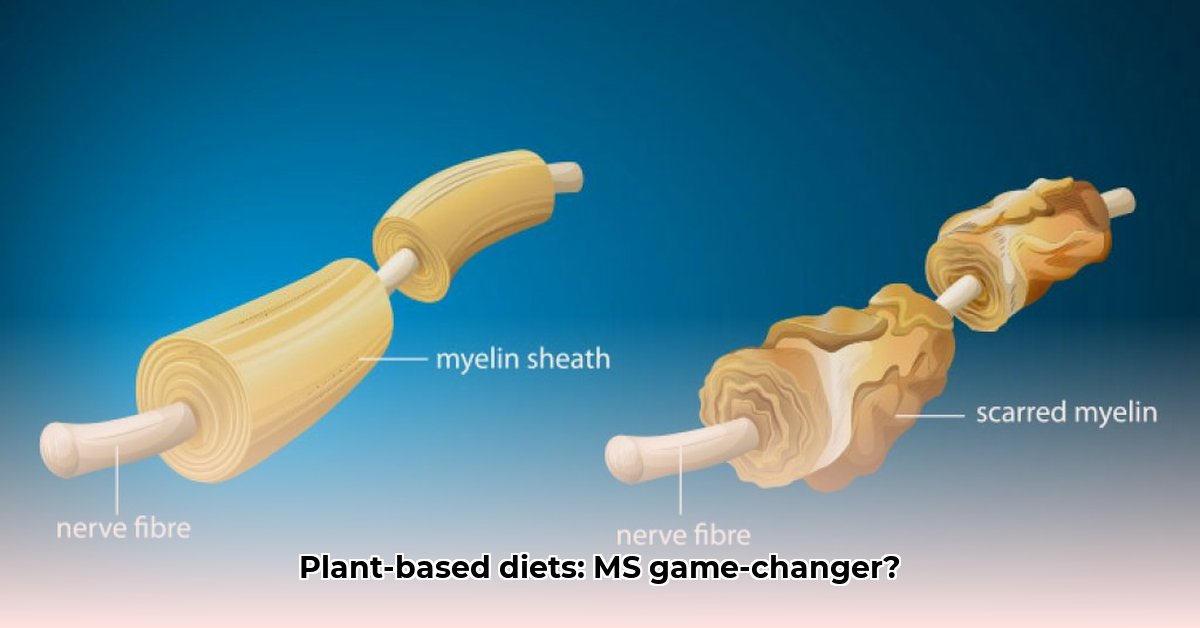
Numerous studies have illuminated a correlation between saturated fat intake and the risk of developing MS, as well as the rate of disease progression, particularly concerning brain health. Saturated fats, predominantly found in animal-derived products like red meat and high-fat dairy, appear to fuel inflammation within the body, a key factor in MS, contributing to the neurological damage characteristic of the condition.
Envision this: saturated fat acts as an accelerant to inflammation, while a diet abundant in antioxidants – readily available in fruits, vegetables, and whole grains – serves as a fire suppressant, potentially diminishing the intensity of the inflammatory response and fostering neurological well-being. This concept isn’t merely speculative; decades of research have indicated this trend, underscoring the importance of brain health.
A noteworthy 50-year study revealed that individuals with MS who adhered to a very-low-saturated-fat, plant-based dietary regimen experienced significantly improved outcomes. While the results were remarkable, it’s imperative to acknowledge the need for confirmatory research involving larger cohorts to validate these findings. Did you know that research suggests a direct relationship between saturated fat consumption and MS progression?
The Imperative for Expanded Research and Expert Nutritional Guidance
While observational studies (where researchers observe dietary patterns and health outcomes) offer valuable insights, more extensive, controlled studies are warranted to definitively establish a causal relationship between plant-based diets and improved outcomes for individuals with MS. Some studies yield promising results, while others demonstrate more subtle effects, particularly in relation to nutritional guidance. For instance, one study reported modest changes in brain scans or relapse frequency but noted improvements in weight, cholesterol levels, and fatigue reduction among those following a plant-based diet. What accounts for these discrepancies? Variations in study methodologies and the composition of plant-based diets likely play a role. Further investigation is needed to pinpoint the specific plant-based foods that confer the greatest benefits and for whom.
Potential Mechanisms Through Which Plant-Based Diets May Alleviate MS
Researchers are exploring several avenues through which a plant-based diet may exert a positive influence on MS and overall neurological health:
- Immune System Modulation: A plant-based diet may curtail immune system overactivity, thereby reducing inflammation in the body.
- Gut Microbiome Enhancement: The gut harbors a diverse community of bacteria, and maintaining a balanced, healthy gut microbiome may influence MS progression. Ongoing studies are exploring this promising area.
- Antioxidant Abundance: Antioxidants shield the body’s cells from damage caused by inflammation. Consuming abundant fruits, vegetables, and whole grains ensures a robust antioxidant intake.
- Improved Cerebral Blood Flow: Adequate blood flow to the brain is essential for neurological health and function. Plant-based diets may promote enhanced cerebral blood flow.
Adopting a Plant-Based Diet: A Practical Guide
Transitioning to a plant-based diet necessitates careful planning and consideration, particularly for individuals with MS. Here’s a comprehensive guide to facilitate a healthy and safe transition:
Step 1: Consult Your Healthcare Team: Prioritize a consultation with your physician or a registered dietitian specializing in MS. They can tailor a personalized plan that aligns with your specific needs and mitigates the risk of nutritional deficiencies.
Step 2: Gradual Implementation: Avoid abrupt dietary overhauls. Instead, implement small, sustainable changes over time. Gradual transitions foster long-term adherence.
Step 3:Emphasize Whole Foods: Prioritize a colorful array of fruits, vegetables, legumes (such as beans and lentils), nuts, seeds, and whole grains. These foods furnish the essential nutrients required for optimal health. Minimize processed foods, which often contain added sugars, unhealthy fats, and inflammatory additives.
Step 4: Monitor Your Progress: Diligently observe your body’s responses. Utilize a journal to track symptoms, energy levels, and other relevant health metrics. This practice enables you and your healthcare team to fine-tune your diet as needed.
Ongoing Refinement of Dietary Strategies for MS
While current research underscores the potential benefits of plant-based diets for individuals with MS, further investigation is warranted, especially concerning specific neurological benefits. Larger, rigorous studies will provide more definitive insights into the precise role of diet in MS management. In the interim, a well-planned, carefully monitored plant-based approach implemented under the guidance of healthcare professionals may serve as a valuable tool for managing MS symptoms and enhancing overall well-being. It’s a journey of hope, navigated collaboratively with your healthcare providers.
Summary Table: Evaluating the Merits and Considerations of Plant-Based Diets
| Feature | Potential Benefits | Important Considerations |
|---|---|---|
| Plant-Based Diets for MS | Reduced inflammation, improved gut health, enhanced antioxidant intake, possible better blood flow to the brain, potential improvements in neurological conditions | Requires careful planning, potential nutrient deficiencies without proper guidance, individual responses vary, ongoing research needed, the importance of saturated fat |
Disclaimer: The information provided herein is intended for educational purposes only and should not be construed as medical advice. Always consult with your healthcare team before making any significant changes to your diet or treatment plan.
Tailoring a Plant-Based Diet for Managing Multiple Sclerosis Symptoms and Individual Needs
Key Takeaways:
- A thoughtfully designed plant-based diet may yield substantial benefits for managing MS symptoms, but it’s not a panacea.
- Prioritize nutrient density rather than merely eliminating animal products. Poorly conceived vegan diets can be detrimental.
- Personalization is paramount. Individual responses to dietary interventions vary.
- Seek guidance from a healthcare professional before embarking on major dietary changes to establish a safe and effective plan.
- While more research is needed, existing evidence strongly suggests an association between dietary choices and MS outcomes.
Deciphering the Link Between Diet and MS Progression
Multiple sclerosis (MS) is a multifaceted disease. However, diet plays a crucial role in its progression and symptom severity. Studies have consistently demonstrated a correlation between high saturated fat intake—often derived from animal products—and an elevated risk of developing MS and experiencing more pronounced symptoms. Conversely, diets rich in fruits, vegetables, and plant-based foods appear to be associated with improved outcomes. While a plant-based diet cannot cure MS, evidence suggests it may offer symptomatic relief. Could a diverse array of phytonutrients unlock enhanced symptom management?
Visualize this: your body is akin to a car. Inferior fuel (processed foods, high saturated fat) leads to suboptimal performance (MS symptoms). Superior fuel (nutrient-rich plants) can enhance the functionality of your “car.”
Customizing Your Plant-Based MS Diet
How to tailor a plant-based diet for managing multiple sclerosis symptoms necessitates an individualized approach:
- Consult a Registered Dietitian: Essential for crafting a personalized plan that addresses individual needs and mitigates potential nutritional deficiencies.
- Prioritize Phytonutrients: Focus on incorporating a wide spectrum of vibrantly colored fruits and vegetables, replete with antioxidants and neuroprotective compounds that may bolster brain health.
- Achieve Macronutrient Equilibrium: Strive for a balanced macronutrient intake, encompassing adequate protein, healthy fats, and complex carbohydrates.
- Support Your Gut Microbiome: Maintain a healthy gut by including prebiotic-rich foods (such as onions, garlic, and bananas) that nourish beneficial bacteria. Probiotic supplementation may also be considered.
- Identify and Eliminate Trigger Foods: Keep a food diary to identify specific foods that exacerbate symptoms. Consider testing for food sensitivities if necessary.
- Implement Gradual Changes: Avoid abrupt dietary overhauls. Gradually integrate more plant-based foods to minimize potential issues and foster a smoother transition.
- Monitor Your Progress: Track symptoms and energy levels to understand how your body responds to various foods and dietary adjustments, facilitating informed modifications.
Insights from Research on Plant-Based Diets
While numerous observational studies suggest a strong association

Through this website, I share simple, science-backed tips for low impact health whether it's gentle fitness routines, stress-free wellness habits, or eco-friendly lifestyle changes. My goal is to make healthy living more accessible, sustainable, and kind to both our bodies.
- The Best Habit Tracker Spreadsheet Templates for Simple Daily Progress - March 20, 2026
- Habit Tracking Apps Help You Achieve Your Personal Goals - March 19, 2026
- Atomic Habits Book Reveals How Tiny Changes Transform Your Life - March 18, 2026