Imagine a single, simple tool that could quietly revolutionize your daily life, transforming aspirations into consistent actions. That’s the profound promise of a monthly habit tracker. It’s not just a fancy calendar or a to-do list; it’s a visual commitment to your personal growth, a silent cheerleader that celebrates your consistency and gently nudges you back on track when life inevitably throws a curveball.
If you’ve ever found yourself wishing you read more, exercised consistently, or simply felt more in control of your daily routines, this guide is your roadmap to leveraging a monthly habit tracker for real, sustainable change.
At a Glance: Your Monthly Habit Tracker Blueprint
- What it is: A simple, customizable tool to visually monitor your daily, weekly, and monthly habits.
- Why you need it: Boosts accountability, sparks motivation, deepens self-awareness, and drives personal growth.
- Key benefits: Transforms vague goals into actionable steps, provides clear visual progress, and helps identify patterns in your behavior.
- How it works: You choose habits that matter, mark them off daily, and review your progress regularly.
- Formats: Available as printable PDFs, digital spreadsheets, or even dedicated apps, offering flexibility for every preference.
- What to track: Anything from daily water intake and meditation to breaking negative habits like excessive screen time.
Why Habits, Why Now? The Foundation of Growth
We are, in many ways, the sum of our habits. The small, often unconscious actions we repeat daily compound over time, shaping our health, our careers, our relationships, and our overall well-being. Think about it: a few minutes of daily reading turns into dozens of books a year; consistent daily workouts lead to significant fitness gains. Conversely, unchecked negative habits can erode progress just as subtly.
The challenge, however, isn’t usually a lack of desire, but a struggle with consistency. Life gets busy, motivation wanes, and before you know it, a week has passed, and your good intentions have fallen by the wayside. This is precisely where a habit tracker steps in – not as a rigid taskmaster, but as a supportive guide, making the invisible work of habit formation visible and achievable. It acts as a bridge between your aspirations and your daily actions, helping you build a life by design, not by default.
The Unseen Power: Core Benefits of a Monthly Habit Tracker
A habit tracker isn’t just about checking boxes; it’s about unlocking a suite of powerful psychological benefits that propel you forward. While the core concept is simple, its impact on your commitment to personal growth and goals is profound.
Accountability You Can See
Imagine a long chain of successful days, each link representing a completed habit. The visual progress created by marking off tasks makes your daily steps tangible and harder to ignore. When you see that unbroken chain growing longer, you’re less likely to “break the chain,” a powerful motivator popularized by comedian Jerry Seinfeld. This simple act of visual accounting transforms vague intentions into concrete commitments, making you accountable to yourself in a way that mere mental notes can’t. It’s a daily pact you renew with your future self, reminding you of your overarching goals.
Motivation in Every Checkmark
There’s an undeniable, almost primitive satisfaction that comes from checking off a completed task. This small burst of dopamine is a crucial reward mechanism that reinforces positive behavior. With a monthly habit tracker, each checkmark, sticker, or colored square becomes a mini-victory, building momentum and reinforcing consistency over time. It transforms the often-tedious journey of habit formation into a series of rewarding accomplishments. On days when motivation feels low, glancing at your progress can be the spark you need to keep going, turning consistency into its own reward.
Deepening Self-Awareness
Beyond mere tracking, a monthly habit tracker fosters mindfulness and self-reflection. As you consistently record your progress, you begin to identify behavioral patterns that aid or hinder your journey. When do you struggle the most? Are certain days or situations more challenging? Do you consistently miss your “reading” goal on weekends but ace it during the week?
This data isn’t just numbers; it’s a window into your own habits, triggers, and routines. This heightened self-awareness allows you to celebrate your successes, understand your roadblocks, and adjust your strategies with informed precision. It’s an ongoing process of learning and adapting, making you a more effective architect of your own life. You might even find insights into emotional patterns or energy levels throughout the month.
Accelerating Personal Growth
Ultimately, a habit tracker isn’t an end in itself; it’s a powerful catalyst for personal growth. By providing focus and fostering long-term commitment, it transforms how you approach goal setting and daily productivity. It breaks down overwhelming aspirations into manageable, daily actions. Whether you’re aiming to improve your physical health, expand your knowledge, cultivate mindfulness, or develop a new skill, the structured, consistent effort supported by your tracker accelerates your progress. It’s about building the person you want to become, one intentional habit at a time, solidifying the foundation for lasting change. You can also [Create your habit chart] Create your habit chart to visualize growth over time.
Monthly vs. Other Formats: Finding Your Rhythm
Habit trackers come in a variety of temporal formats: daily, weekly, monthly, and even yearly. While each has its merits, the monthly habit tracker often strikes an optimal balance, offering unique advantages for consistent habit formation.
The Monthly Advantage
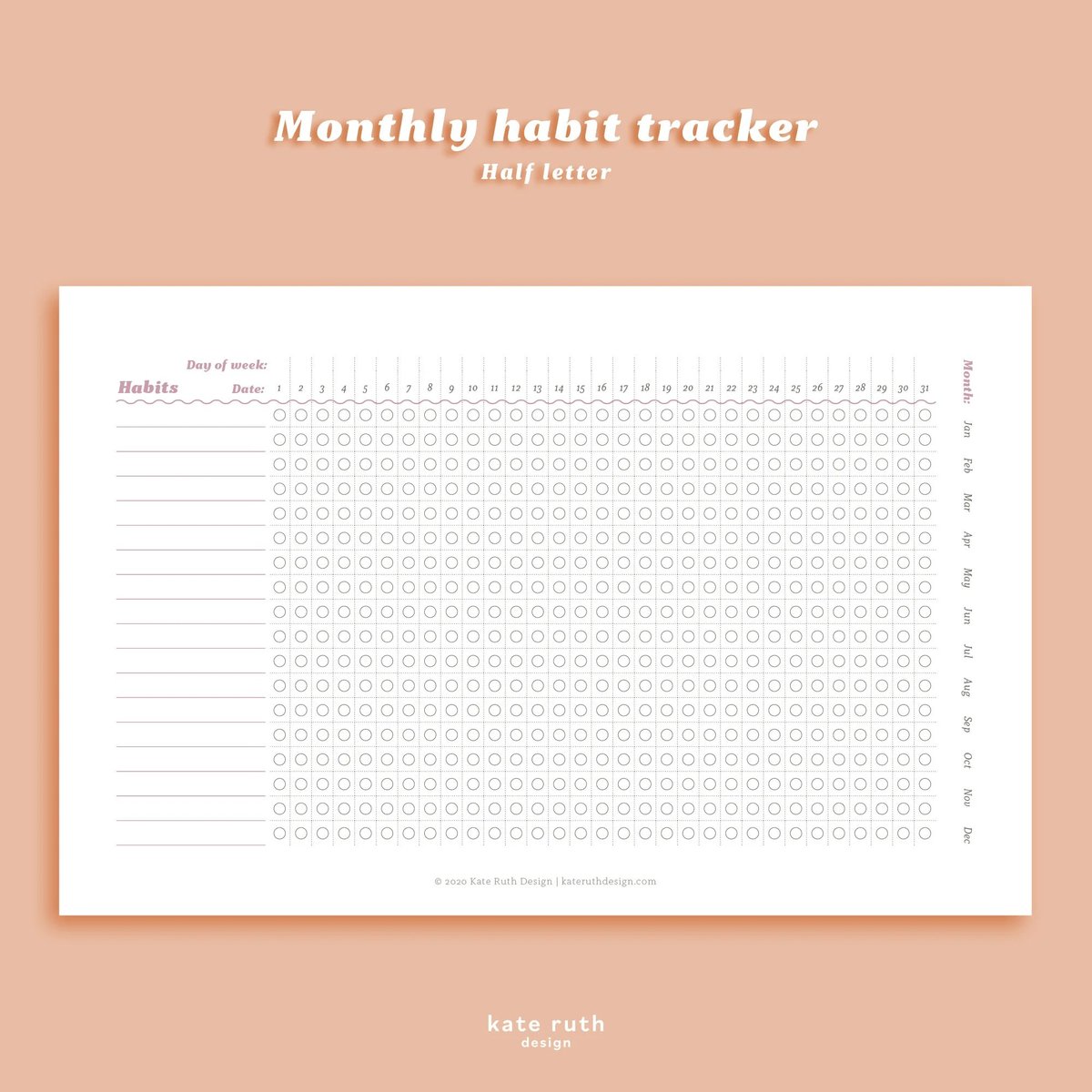
A monthly layout provides a comprehensive overview of your habits across an entire month, typically laid out like a calendar. This allows you to:
- Spot Trends Over Weeks: Unlike a daily tracker that might feel too granular or a weekly one that offers limited scope, a monthly view helps you see patterns and consistency (or lack thereof) across several weeks. You can quickly identify if your meditation practice dips in the second week of every month, for example.
- Manage Longer-Term Goals: For habits that build up over time, like reading a certain number of books or consistently following a training program, the monthly perspective offers a satisfying sense of cumulative progress.
- Less Overwhelm, More Perspective: A daily tracker can sometimes feel like too much pressure if you miss a single day. A weekly tracker might feel too short to truly establish a rhythm. The monthly tracker provides enough space for minor setbacks without derailing your entire effort, encouraging a “get back on track tomorrow” mindset rather than outright abandonment. It’s also often easier to [Track your monthly progress] Track your monthly progress and review it in one consolidated view.
- Natural Review Cycles: A month naturally aligns with many personal and professional review cycles, making it easy to integrate your habit tracking reflection into broader goal-setting sessions.
How It Compares
- Daily Trackers: Excellent for intense focus on a single habit or for very short-term challenges (e.g., a 3-day detox). However, they can feel restrictive and demotivating if a day is missed.
- Weekly Trackers: Great for building short-term consistency and for habits that might not be daily (e.g., specific workout days). You might find it useful to [Track your weekly habits] Track your weekly habits for certain routines. However, they lack the bigger picture view that a monthly tracker provides.
- Yearly Trackers: Best for long-term project tracking, major milestones, or very high-level consistency goals (e.g., “meditate every day this year”). They offer little daily accountability or insight into specific patterns.
For the sustained, yet flexible development of a wide range of habits, the monthly format shines, offering the perfect blend of oversight and daily accountability. Many users even choose to [Create a Habit Calendar] Create a Habit Calendar for their monthly tracking.
Crafting Your Habits: What to Track for Real Impact
The beauty of a habit tracker lies in its customizability. It’s not about tracking everything, but tracking what genuinely moves the needle in your life. The habits you choose should align with your values and contribute directly to your personal growth.
Positive Habits to Cultivate
These are the behaviors you want to establish or strengthen, the ones that build you up day by day.
- Health & Wellness:
- Daily Workouts: Even 15-30 minutes of movement.
- Water Intake: Aim for a specific number of glasses or liters.
- Fruit/Vegetable Intake: Ensure you hit your daily servings.
- Taking Medicine/Vitamins: Essential for consistent health management.
- Getting Enough Sleep: Track your bedtime and wake-up time to ensure 7-9 hours.
- Meditation/Prayer: Cultivate mindfulness and spiritual connection.
- Self-Care: Dedicate time for activities that recharge you (e.g., a warm bath, reading a novel).
- Personal Development:
- Reading: Set a page count or time goal (e.g., “read 20 pages”).
- Journaling: Reflect on your day, thoughts, or gratitude.
- Learning a New Skill: Practice a language, instrument, or coding for a set period.
- Productivity & Organization:
- Being on Time: For meetings, appointments, or work.
- Planning Your Day: Take 10 minutes each morning or evening to plan.
- Decluttering: Tidy a small area for 5-10 minutes.
- Relationships & Social Connection:
- Contacting Friends/Family: Reach out to one person daily/weekly.
Breaking Negative Habits (by Tracking Days Without)
Sometimes, the most impactful growth comes from shedding behaviors that hold us back. Instead of tracking the negative act, you track the absence of it.
- Mindful Consumption:
- Stopping Smoking/Drinking Alcohol: Mark each day you abstain.
- Limiting Screen Time: Track days you stay under a certain limit (e.g., 2 hours of social media).
- Not Spending Frivolously: Track “no-spend” days or adherence to a budget.
- Physical Habits:
- Not Biting Nails: A simple but effective way to break an old habit.
- Safety & Mindfulness:
- Not Texting and Driving: A crucial habit for safety.
Habits for Children
Habit trackers aren’t just for adults! They can be a fantastic tool to teach children responsibility and routine, fostering a sense of accomplishment.
- Morning & Evening Routines:
- Brushing Teeth: Twice daily.
- Bathing: Regular hygiene.
- Making Their Bed: A simple step towards tidiness.
- Academics & Chores:
- Doing Homework: Completing assignments on time.
- Reading: Daily reading time.
- Helping Others/Chores: Contributing to household tasks.
When selecting habits, start small. Don’t overwhelm yourself with a dozen new habits at once. Choose 1-3 impactful habits, master them, and then gradually add more. This approach builds confidence and makes the process sustainable.
Getting Started: Your Step-by-Step Guide to Using a Monthly Habit Tracker
The power of a monthly habit tracker lies in its simplicity and consistency. Here’s how to set one up and integrate it seamlessly into your life.
Step 1: Choosing Your Tool: Digital vs. Printable Templates
Before you dive into habit selection, decide on the format that best suits your lifestyle. Both digital and printable options offer unique advantages.
- Printable PDF Templates:
- Tactile Experience: Many people find the physical act of writing, coloring, or checking off boxes deeply satisfying and meditative.
- Visual Reminder: A physical tracker on your fridge, desk, or wall serves as a constant, undeniable reminder.
- Customization: Available in standard US letter, A4, A5, and A6 sizes, these templates can be downloaded for free in large quantities (some resources offer up to 72 free templates!) and often customized further using design programs like Canva. You can personalize them with colors, stickers, and your own flair.
- Low Barrier to Entry: Just print and go.
- Digital Alternatives:
- Accessibility: Carry your tracker everywhere on your phone, tablet, or computer.
- Automation: Tools like Google Sheets templates can provide automated tracking with interactive charts, yearly recaps, and even conditional formatting, making analysis effortless.
- No Clutter: Ideal if you prefer a minimalist, paper-free approach.
- Flexibility: Easily edit habits, duplicate months, and backup your progress.
- Interactive Features: Some digital trackers offer visual progress bars or gamified elements that boost motivation.
Consider your daily routine: are you more likely to interact with a physical object or a digital interface? There’s no wrong answer, only what works best for you.
Step 2: Setting Up for Success: Selecting and Personalizing Your Habits
This is where you lay the groundwork for lasting change. Don’t rush this step.
- Brainstorm Your Desired Habits: Think about your goals for the next month, quarter, or year. What small, consistent actions would move you closer to those goals? List everything that comes to mind, from “drink 8 glasses of water” to “call mom once a week.”
- Prioritize and Select: From your brainstormed list, pick 3-5 habits that genuinely contribute to your personal growth and align with your values. Starting with too many habits is a common pitfall. Focus on a manageable number to build momentum.
- Pro Tip: Use the SMART framework: Is your habit Specific, Measurable, Achievable, Relevant, and Time-bound? Instead of “eat healthy,” try “eat one serving of vegetables with dinner.”
- Personalize Your Tracker: Once you’ve chosen your habits, write them clearly on your tracker. If using a printable, add any decorative elements you like. If digital, set up your spreadsheet columns.
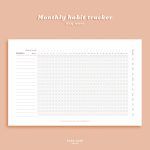
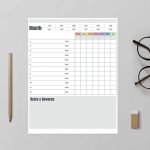
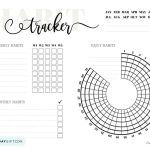
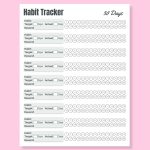
- Choose Your Layout: Monthly trackers come in various forms, including calendar styles, 30-day challenges, or even circle formats. Choose one that appeals to your visual preference and provides ample space for each habit.
Step 3: The Daily Ritual: Marking Your Progress
This is the core of habit tracking—the consistent, daily action of recording.
- Mark Progress Daily: At the end of each day (or immediately after completing a habit), record your progress.
- Printable: Use stickers, checkmarks, crosses, or color in a square. The method doesn’t matter as much as the consistency. Make it a satisfying ritual.
- Digital: Click a checkbox, type an “X,” or update a cell.
- Build Momentum: The goal is to create a chain of completed days. If you miss a day, don’t despair! The key is to get back on track immediately. One missed day isn’t a failure; it’s just a skip. Two missed days, however, can quickly turn into a pattern. Focus on not missing twice in a row.
- Visual Reinforcement: The visual representation of your commitment—a growing string of completed tasks—is what truly reinforces consistency and builds the habit loop.
Step 4: Reflect and Refine: Your Monthly Review
This is perhaps the most critical, yet often overlooked, step.
- Schedule Review Time: At the end of each week and month, set aside dedicated time (15-30 minutes) to assess your progress. Treat it like a non-negotiable appointment.
- Evaluate What’s Sticking:
- Which habits were consistently successful? Celebrate these wins!
- Which habits did you struggle with?
- What patterns emerge? (e.g., “I always miss my morning workout on Mondays.”)
- What were the barriers or triggers that led to missed days?
- Adjust Strategies as Needed:
- Troubleshoot: If a habit isn’t sticking, is the goal too ambitious? Is the trigger missing? Do you need to make it easier or more appealing?
- Modify: Maybe “read for 30 minutes” needs to become “read for 10 minutes” initially. Or perhaps your “daily workout” should be “3 workouts a week.”
- Celebrate & Reward: Acknowledge your efforts. Small rewards for consistent streaks can be incredibly motivating.
- Add/Remove Habits: Once a habit feels automatic, you might “graduate” it from your tracker and add a new one. Or, if a habit isn’t serving you, remove it without guilt.
Forming lasting habits is an ongoing process of learning, adapting, and continuous improvement. Your monthly habit tracker is your personal laboratory for self-experimentation and growth.
Beyond the Basics: Advanced Tips for Habit Tracking Success
Once you’ve mastered the fundamentals, these tips can elevate your habit tracking from a simple checklist to a powerful growth engine.
Don’t Break the Chain… But What If You Do?
The “don’t break the chain” method (popularized by Jerry Seinfeld for writing jokes daily) is incredibly effective. However, real life happens. You’ll get sick, travel, or simply forget.
- The “Never Miss Twice” Rule: If you miss a day, don’t let it become two. This is the most crucial psychological hack. Get back on track immediately. One missed day is a slip; two is the start of a new, undesirable pattern.
- Be Kind to Yourself: Don’t let perfection be the enemy of good. A few missed days over a month doesn’t negate all your progress. Forgive yourself and refocus.
Optimize for Ease, Not Effort
The easier a habit is to start, the more likely you are to do it.
- “Trigger” Your Habits: Link your new habit to an existing, established routine. Example: “After I brush my teeth, I will read 10 pages.”
- “Stack” Your Habits: Combine multiple habits together. Example: “When I finish my coffee, I’ll journal for 5 minutes, then meditate for 5 minutes.”
- Reduce Friction: Make your desired habit as easy as possible. Lay out your workout clothes the night before. Keep your water bottle visible. Remove distractions that hinder your habit.
Celebrate Small Wins, Big Milestones
Reinforcement is key to making habits stick.
- Daily Satisfaction: The checkmark itself is a small win.
- Weekly/Monthly Rewards: Set small, non-food rewards for consistent streaks. A new book, a special coffee, an hour for a hobby.
- Share Your Progress (If You Want To): Tell a trusted friend or partner about your goals. External accountability can be a powerful motivator.
Adjust and Iterate: Your Tracker is Dynamic
Your life and goals will change, and so should your tracker.
- Review Regularly: Use your monthly review to assess not just your success, but the relevance of your habits. Is “limiting social media” still a challenge, or has it become automatic?
- Pivot, Don’t Quit: If a habit isn’t working after consistent effort, don’t abandon the goal—just change the habit. If running isn’t sticking, maybe swimming or cycling would be better for your fitness goal.
- Don’t Over-Track: Resist the urge to track everything. Focus on 3-5 core habits that truly matter. Too many habits can feel overwhelming and lead to burnout.
By approaching your monthly habit tracker with flexibility, self-compassion, and a commitment to continuous improvement, you’ll find it becomes an indispensable partner in your journey of personal growth.
Your Questions Answered: Monthly Habit Tracker FAQs
Navigating the world of habit tracking can bring up a few common questions. Here are some crisp answers to help you along.
How many habits should I track at once?
Start small, ideally with 1-3 new habits. Once those feel automatic (which can take 21-66 days, or even longer!), you can gradually add more. Overloading your tracker with too many new commitments at once is a common reason people get discouraged.
What if I miss a day (or several days)?
It happens to everyone. The most important rule is to “never miss twice.” If you miss a day, ensure you get back on track the very next day. Don’t view a missed day as a failure of the entire system; it’s simply a data point. Look at your progress over the month, not just individual days.
Is a monthly tracker better than a weekly one?
“Better” depends on your preference! A weekly tracker is great for short-term focus or habits that aren’t daily. However, a monthly tracker offers a broader perspective, allowing you to see trends over several weeks and identify patterns more clearly. It also often feels less pressured than a daily tracker, providing more room for minor slips without feeling like you’ve failed the whole month.
How long does it take for a habit to stick?
The widely cited “21 days” is a myth. Research suggests it can take anywhere from 18 to 254 days for a new habit to become automatic, with an average of 66 days. Consistency and persistence are far more important than hitting a specific day count. Keep tracking, and it will eventually become second nature.
Can I track negative habits (i.e., stopping something)?
Absolutely! Instead of tracking the action, you track the absence of the action. For example, mark a day if you didn’t bite your nails or if you didn’t spend frivolously. This visual representation of abstention is incredibly powerful for breaking unwanted patterns.
What if my goals change mid-month?
Your tracker is a living document! It’s perfectly fine to adjust or even swap out habits if your priorities shift. Don’t feel locked into something that no longer serves you. Use your monthly review as a dedicated time to make these changes.
How can I make my habit tracker more motivating?
Personalization is key! Use colors, stickers, different pens, or even themed designs. The more appealing your tracker is to you, the more likely you are to engage with it. Additionally, set small, non-food rewards for streaks or monthly completion.
Ready to Transform Your Days? Start Tracking Today
You now have the insights and tools to harness the power of a monthly habit tracker. This isn’t just about ticking boxes; it’s about intentional living, conscious growth, and the quiet satisfaction of building the life you envision, one consistent action at a time.
Whether you opt for a sleek digital spreadsheet or a beautifully designed printable, the most crucial step is to simply begin. Choose one or two habits that truly matter to you right now. Commit to the daily act of tracking and the monthly ritual of reflection. Watch as those small, consistent efforts compound, transforming not just your habits, but your entire trajectory.
The future you aspire to isn’t built overnight, but it is built daily. Your monthly habit tracker is ready to be your steadfast companion on that journey. Pick up your pen, open that spreadsheet, and start building your legacy of consistency today.

Through this website, I share simple, science-backed tips for low impact health whether it's gentle fitness routines, stress-free wellness habits, or eco-friendly lifestyle changes. My goal is to make healthy living more accessible, sustainable, and kind to both our bodies.
- Monthly Habit Tracker Helps You Build Consistent Habits for Growth - April 12, 2026
- Building a Good Habits List for Your Best Life Yet - April 11, 2026
- Common Examples of Habits for a Healthier You - April 10, 2026