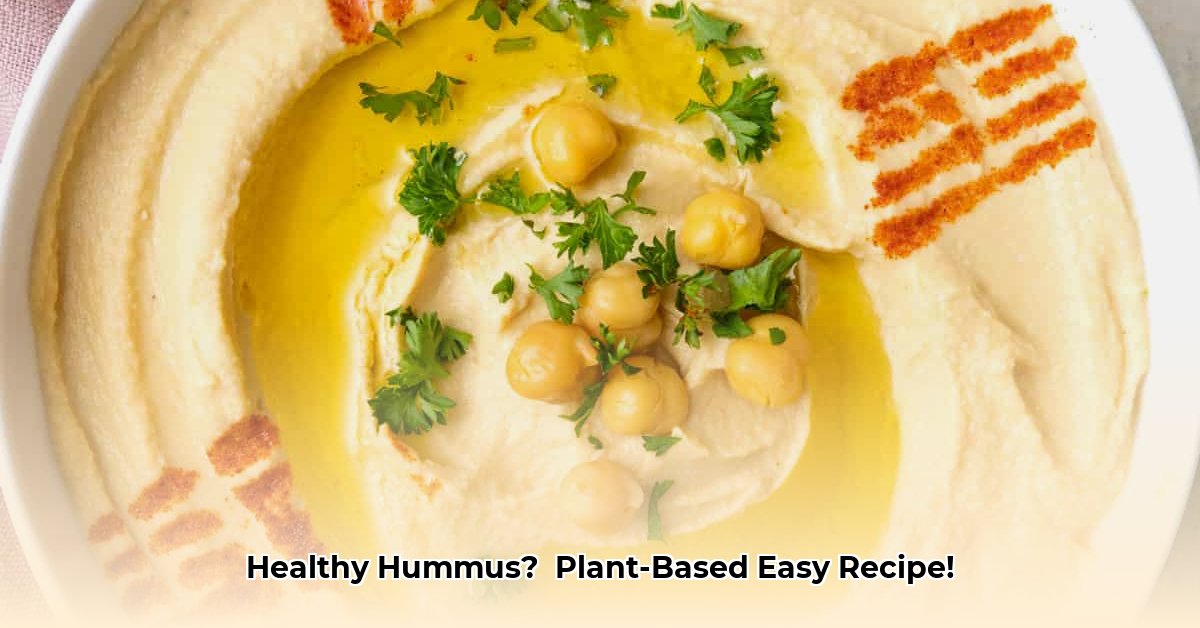
Want to make super healthy, creamy hummus without all the oil? This guide shows you how! We’ll explore what makes an ideal oil-free hummus, then give you a simple, step-by-step recipe for unbelievably smooth, delicious hummus. We’ll even cover troubleshooting tips and fun ways to customize your hummus. Get ready to make the best oil-free hummus you’ve ever tasted – it’s easier than you think! For more plant-based recipes, check out our recipe book.
Hummus Plant Based Diet: Your Guide to Creamy, Oil-Free Goodness
Let’s make some seriously delicious, healthy hummus! Forget those oil-laden store-bought versions – we’re diving into the world of creamy, plant-based hummus without a single drop of oil. It’s easier than you think and incredibly versatile. This guide will walk you through different methods and help you create the perfect oil-free hummus to suit your taste, ensuring a satisfying plant based diet.
Understanding the Essentials of Oil-Free Hummus
The key to exceptional oil-free hummus lies in understanding the role of each ingredient. Chickpeas provide the body and protein, while lemon juice adds brightness and acidity. Garlic introduces a pungent kick, and cumin lends warmth and earthiness. The absence of oil necessitates a focus on technique and ingredient quality to achieve optimal creaminess and flavor.
Exploring Different Paths to Vegan Oil-Free Hummus
There are several ways to whip up amazing oil-free hummus. Some recipes rely heavily on tahini for that signature nutty flavor and creamy texture. Others skip the tahini altogether, opting for a lighter, simpler approach. The chickpea question also arises: canned for convenience, or dried for a potentially richer, deeper flavor (though it takes a little more time). The beauty of it all? There’s no single “right” way. Experiment and find what you love best! This versatility makes it a great addition to any healthy vegan recipes. Also crucial is the blending process – a high-speed blender or food processor is essential for achieving a silky-smooth consistency.
Let’s look at a comparison of two popular methods:
| Recipe Feature | Method A: Tahini Powerhouse | Method B: Tahini-Free & Easy |
|---|---|---|
| Tahini | Yes, a key ingredient! | Nope, skipped completely |
| Chickpeas | Canned, quick and easy | Dried, cooked from scratch (takes longer) |
| Liquid | Aquafaba (chickpea liquid) + water | Primarily water |
| Texture | Super smooth, almost silky | Slightly chunkier, rustic charm |
| Flavor Profile | Rich, nutty, classic hummus flavor | Lighter, fresher, simpler taste |
| Nutritional Profile | Slightly higher in fat and calories | Generally lower in fat and calories |
Step-by-Step: The Best of Both Worlds Oil-Free Hummus Recipe
This recipe borrows the best elements from both methods above, offering a balance of flavor and ease. It’s easily adaptable to your own preferences, too! You can easily alter this easy hummus recipe to your liking.
Ingredients:
- 1 cup cooked chickpeas (about 1 ½ cups dried chickpeas if starting from dry), drained and rinsed thoroughly. (Tip: Buy canned, save time!)
- ¼ cup aquafaba (the liquid from the canned chickpeas – don’t throw it out!) If using dried chickpeas, use the same amount of plain water.
- 2 tablespoons fresh lemon juice
- 2 cloves garlic, minced
- 1 teaspoon ground cumin
- Salt and freshly ground black pepper to taste
Instructions:
- Combine: Toss everything – chickpeas, aquafaba (or water), lemon juice, garlic, cumin, salt, and pepper – into a powerful food processor.
- Blend: Process until completely smooth and creamy. This might take several minutes, so be patient. Scrape down the sides of the bowl a few times to ensure everything gets blended evenly. A high-powered blender works wonders here.
- Taste Test: Give it a taste! Adjust seasoning as needed. A squeeze of extra lemon juice often brightens up the flavors and balances the richness of the chickpeas. More cumin for a bolder flavor? Go for it!
- Serve it Up: Transfer your homemade hummus to a serving bowl. For an extra touch, a sprinkle of paprika adds a nice visual appeal and flavor.
Troubleshooting: Fixing Common Hummus Hiccups and Maintaining Smooth Consistency
Don’t worry if your first attempt isn’t perfect. Hummus-making is a journey! What consistency is your hummus?
- Hummus too thick? Add a tablespoon (or two) of water at a time until you achieve your desired consistency. Start small and add more as needed.
- Hummus too thin? A few more chickpeas or a tablespoon of aquafaba (or water if you didn’t use canned chickpeas) should thicken things nicely.
- Lumpy hummus? Make sure everything is thoroughly blended. Pause the food processor, scrape down the sides, and blend again until perfectly smooth. Try peeling the skins off the chickpeas for an even smoother result.
Beyond the Basics: Creative Hummus Customization for Varying Delicious Flavors
The beauty of homemade hummus is its adaptability! Experiment with different flavors to create exciting variations. The possibilities are endless for this plant based dip.
- Roasted Red Pepper Hummus: Add a ½ cup of roasted red peppers for a touch of sweetness. Roasting your own peppers deepens their flavor.
- Smoky Hummus: A dash of smoked paprika adds depth and complexity. Start with 1/4 teaspoon and adjust to taste.
- Herby Hummus: Fresh herbs like parsley, cilantro, or mint brighten things up delightfully. Add about 1/4 cup, finely chopped.
- Spicy Hummus: A pinch of cayenne pepper or a few dashes of your favorite hot sauce add a fiery kick. Start with a small amount, as spice levels can vary.
- Sun-Dried Tomato Hummus: Adding sun-dried tomatoes (oil-free) gives a tangy, intense flavor. Soak them in hot water for 10 minutes to soften before adding to the food processor.
- Everything Bagel Hummus: Mix in everything bagel seasoning after blending for a savory, textured hummus.
Storage: Keeping Your Hummus Fresh and Tasty for Longer
Store your homemade hummus in an airtight container in the refrigerator. It will likely keep for up to a week. Many find that the flavors actually meld and improve over a day or two.
Serving Suggestions: More Than Just a Dip
Hummus is incredibly versatile. Here are a few ideas:
- Vegetable Dip: The classic! Serve with carrot sticks, celery, cucumbers, bell peppers, and broccoli florets.
- Sandwich Spread: Replace mayonnaise with hummus for a healthier and more flavorful sandwich.
- Salad Dressing: Thin hummus with a little water and lemon juice for a creamy salad dressing.
- Wrap Filling: Spread hummus on a wrap and fill with veggies, falafel, or grilled tofu.
- Bowl Base: Use hummus as a base for grain bowls, topped with roasted vegetables, chickpeas, and a tahini-free dressing.
The Final Word on Homemade Vegan Oil-Free Hummus
Making your own oil-free hummus is a rewarding experience. You control the ingredients, ensuring a healthy and delicious snack or dip. Experiment, have fun, and discover your own perfect recipe! Enjoy the journey into the world of plant-based eating!
How to Make Perfectly Creamy Oil-Free Hummus Without Tahini for a Healthy Snack
Key Takeaways:
- Oil-free hummus is surprisingly creamy and delicious. You don’t need tahini or oil!
- Chickpea liquid (aquafaba) is key to achieving that perfect, smooth texture.
- Numerous variations are possible; customize it to your taste.
- This recipe is quick, easy, and perfect for a healthy snack or dip.
Mastering the Creamy Texture with Plant Based Ingredients
Want to know the secret to perfectly creamy oil-free hummus? It’s all about the aquafaba! That’s the liquid from canned chickpeas – a vegan marvel. This liquid acts as a natural emulsifier, binding all the ingredients for a luxurious, smooth consistency without any added oil. Isn’t that amazing?
Optimizing Flavor Without Oil: Tips and Tricks
Since we’re omitting oil, maximizing flavor from other ingredients is crucial. Toasting the cumin seeds before grinding enhances their aroma. Using fresh, high-quality lemon juice makes a noticeable difference. Don’t be shy with the garlic! And consider adding a pinch of red pepper flakes for a bit of heat.
Recipe Comparison: Exploring the Options to Fit Different Preferences
Before we dive into the recipe, let’s quickly look at alternatives. Some recipes add lemon juice for extra tang, others use different spices. The core remains the same – utilizing aquafaba to create that enviable creamy texture without tahini or oil. Many sources agree on using about 1/4 cup of reserved chickpea liquid per can. What is being added to your version of plant based hummus?
| Ingredient | Option 1: Simple & Classic | Option 2: Enhanced Flavor |
|---|---|---|
| Lemon Juice | 2 tablespoons |

Through this website, I share simple, science-backed tips for low impact health whether it's gentle fitness routines, stress-free wellness habits, or eco-friendly lifestyle changes. My goal is to make healthy living more accessible, sustainable, and kind to both our bodies.
- The Best Habit Tracker Spreadsheet Templates for Simple Daily Progress - March 20, 2026
- Habit Tracking Apps Help You Achieve Your Personal Goals - March 19, 2026
- Atomic Habits Book Reveals How Tiny Changes Transform Your Life - March 18, 2026