Of course. Here is the comprehensive pillar article, crafted to be useful, trustworthy, and readable.
The fluorescent lights of the grocery store can feel like a spotlight, highlighting a thousand choices and a million questions. Is this healthy? Is that a gimmick? Navigating the aisles without a plan can be overwhelming, but a well-crafted healthy living products list is your secret weapon. It’s more than just a piece of paper; it’s your roadmap to better meals, less food waste, and a calmer, more confident shopping experience.
This guide isn’t about chasing trends or restrictive diets. It’s about stocking your kitchen with real, nourishing foods that form the foundation of countless delicious and energizing meals.
At a Glance: Your Path to a Healthier Kitchen
Pressed for time? Here’s the core strategy for building your healthy shopping list and transforming your pantry:
- Embrace Whole Foods: Prioritize foods that are as close to their natural state as possible. Think apples, not apple-flavored snacks.
- Become a Label Detective: Look for short ingredient lists you can actually pronounce. Be mindful of added sugars, sodium, and unhealthy fats.
- Plan Ahead, Win the Week: A simple weekly meal plan and a corresponding shopping list prevent impulse buys and ensure you have what you need.
- Shop the Perimeter: Most grocery stores are designed with fresh produce, lean proteins, and dairy along the outer walls. Start there.
- Stock Your Pantry Strategically: A well-stocked pantry with healthy staples like grains, beans, and spices is your key to pulling together a quick, nutritious meal anytime.
The Philosophy: What “Healthy Eating” Really Means
Before we dive into the list itself, let’s clear up the concept. Healthy eating, or “clean eating,” isn’t about perfection. It’s a straightforward principle: eat whole foods.
These are foods that have undergone little to no processing. They don’t come with long, complicated ingredient lists because they are the ingredient. An unprocessed or minimally processed food retains its original vitamins, minerals, and fiber. It’s free from the artificial preservatives, colors, and flavors designed to extend shelf life or trick your taste buds.
Think of it this way: a potato is a whole food. A bag of potato chips is not. Brown rice is a whole food. A box of sugary rice cereal is not. This simple distinction will become your guiding star in the grocery store.
Your Smart Shopping Playbook: How to Navigate the Aisles
A great list is only half the battle. Executing your shopping trip with intention is what brings it all home.
Step 1: Plan Your Attack with a Weekly List
Don’t walk into the store blind. Spend 15 minutes over the weekend mapping out a few simple meals for the week ahead—breakfasts, lunches, and dinners.
- Check Your Inventory: Before you write a single item down, look in your fridge, freezer, and pantry. What do you already have? Plan a meal around that can of black beans or the frozen chicken breasts to prevent waste.
- Build Your List from Your Plan: Based on your meal ideas, jot down every ingredient you need. Organize your list by store section (Produce, Meat, Pantry, etc.) to save time and prevent backtracking.
- Shop Seasonally: Berries are cheaper and more delicious in the summer; root vegetables are a bargain in the fall. Shopping for in-season produce saves money and delivers peak nutritional value.
Step 2: Become a Label Detective
For anything that comes in a box, bag, or can, the nutrition label is your best friend. Don’t just look at the calories; look at the ingredients.
- The 5-Ingredient Rule: If you can, stick to products with five or fewer ingredients.
- Scan for Added Sugar: Sugar hides under many names (high-fructose corn syrup, dextrose, sucrose, cane juice). For items like yogurt, aim for 8 grams or less of added sugar per serving.
- Check Sodium Levels: Canned soups, sauces, and beans can be sodium bombs. Look for “low-sodium” or “no-salt-added” versions.
- Identify Whole Grains: Don’t be fooled by “multigrain” or “wheat.” The first ingredient should be “100% whole wheat” or “100% whole grain.”
- Choose Healthy Canned Fruits: If buying canned fruit, make sure it’s packed in water or its own juice, not heavy syrup.
Once you have a solid plan, you can confidently discover healthy living products that align with your goals, instead of being swayed by clever marketing.
The Ultimate Healthy Living Products List
Here is your item-by-item guide. Use this as a template and customize it based on your family’s preferences and your weekly meal plan.
The Produce Aisle: Your Foundation of Color
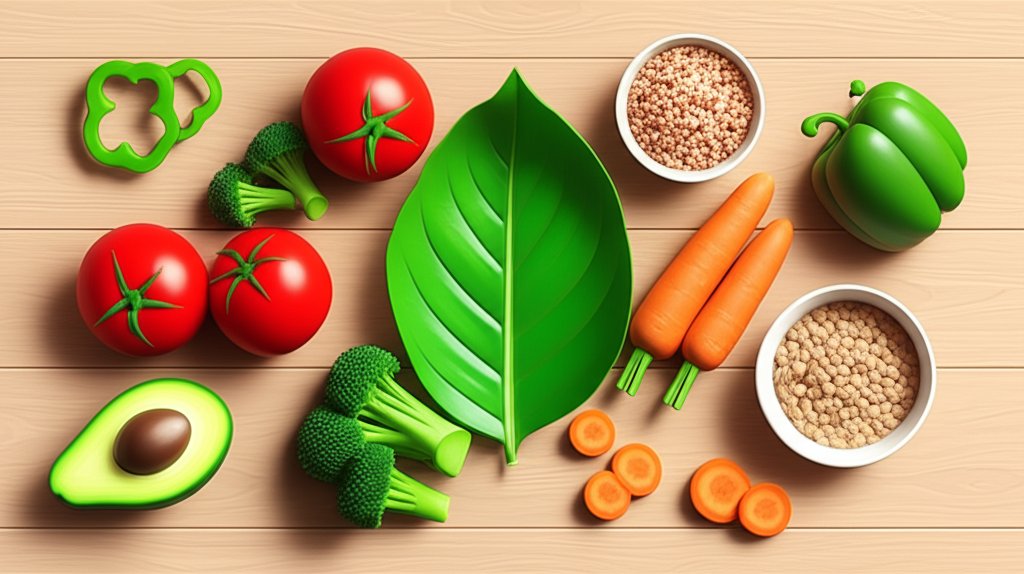
This is where you should spend most of your time. Aim for a variety of colors to get a wide range of vitamins and antioxidants.
- Leafy Greens: Spinach, Kale, Arugula, Romaine Lettuce (Perfect for salads, smoothies, and sautés.)
- Cruciferous Veggies: Broccoli, Cauliflower, Brussels Sprouts (Packed with fiber and great for roasting.)
- Root Vegetables: Sweet Potatoes, Carrots, Beets (Excellent sources of complex carbs and vitamins.)
- Alliums: Onions, Garlic, Leeks (The flavor base for countless healthy dishes.)
- Versatile Staples: Bell Peppers, Zucchini, Cucumbers, Tomatoes
- Berries: Blueberries, Strawberries, Raspberries (Fresh or frozen, they are antioxidant powerhouses.)
- Fruits: Apples, Bananas, Oranges, Pears (Easy, portable snacks.)
- Healthy Fats: Avocados
High-Quality Proteins: The Building Blocks
Protein is essential for muscle repair, immune function, and staying full.
- Lean Poultry: Organic Chicken Breast or Thighs, Turkey
- Fatty Fish: Wild-Caught Salmon, Tuna, Sardines (Choose fish packed in water or olive oil.)
- Lean Red Meat: Grass-Fed Sirloin or Ground Beef (In moderation.)
- Eggs: Pasture-raised if possible.
- Plant-Based Powerhouses: Lentils (brown, green, or red), Chickpeas, Black Beans, Edamame, Tofu, Tempe, Quinoa
Whole Grains & Complex Carbs: Fuel for the Long Haul
These provide sustained energy without the crash you get from refined carbs.
- Brown Rice
- Quinoa
- Oats (Rolled or steel-cut are best.)
- Farro or Bulgur
- 100% Whole-Wheat Pasta or Bread
- Potatoes and Sweet Potatoes
Healthy Fats: Flavor and Function
Fat is not the enemy! Healthy fats are crucial for brain health and absorbing certain vitamins.
- Nuts & Seeds: Almonds, Walnuts, Pistachios, Chia Seeds, Flax Seeds (raw and unsalted).
- Oils: Extra Virgin Olive Oil (for dressings and low-heat cooking), Avocado Oil (for high-heat cooking), Coconut Oil.
- Nut Butters: Almond Butter, Peanut Butter (Look for brands with just nuts and maybe a little salt.)
Dairy & Dairy-Free Champions
Choose plain, unsweetened versions whenever possible to control the sugar content.
- Yogurt: Plain Greek Yogurt, Kefir (Great sources of probiotics.)
- Cheese: Cottage Cheese, Parmesan, Feta (Use flavorful cheeses in smaller amounts.)
- Milk Alternatives: Unsweetened Almond Milk, Oat Milk, or Soy Milk.
- Butter: Grass-Fed Butter or Ghee.
The Pantry Powerhouses: Spices, Condiments, and Staples
A well-stocked pantry makes healthy cooking infinitely easier and more flavorful.
- For Flavor: Dried Herbs (Oregano, Basil, Thyme), Spices (Cinnamon, Turmeric, Ginger, Cumin, Paprika), Low-Sodium Broth or Stock.
- For Acidity: Apple Cider Vinegar, Balsamic Vinegar.
- For a Sweet Touch: Raw Honey, Pure Maple Syrup (Use sparingly.)
- Healthy Treats: Dark Chocolate (70% cacao or higher), Cacao Nibs.
- Beverages: Herbal Tea, Green Tea.
- Canned Goods: Canned Diced Tomatoes, Canned Beans (low-sodium), Canned Tuna or Salmon.
Don’t Forget the Frozen Aisle
Frozen foods can be just as nutritious as fresh—sometimes more so, as they’re often frozen at peak ripeness.
- Frozen Fruits: Perfect for smoothies. Look for bags with no added sugar.
- Frozen Vegetables: An easy way to add veggies to any meal. Choose plain vegetables without added sauces or salt.
- Frozen Proteins: Shrimp, fish fillets, and chicken are great to have on hand.
- Frozen Grains: Cooked and frozen brown rice or quinoa can be a lifesaver on busy nights.
Spotlight on Superstars: A Closer Look at Nutritional Heroes
Some items on this list pack an extra-powerful nutritional punch. Here are a few standouts:
- Avocados: This fruit is a fantastic source of heart-healthy monounsaturated fats and fiber, which helps you feel full longer.
- Salmon: A prime source of anti-inflammatory omega-3 fatty acids, crucial for brain and heart health. It’s also one of the few natural food sources of Vitamin D.
- Walnuts: These brain-shaped nuts are a top plant-based source of omega-3s, helping to lower “bad” LDL cholesterol and raise “good” HDL cholesterol.
- Kale: This dark leafy green is loaded with nutrients, including calcium, vitamin C, and beta-carotene. It also contains lutein, an antioxidant that supports eye health.
- Quinoa: A true plant-based champion, quinoa is a “complete protein,” meaning it contains all nine essential amino acids your body needs.
- Black Beans: An affordable powerhouse, black beans are rich in fiber, antioxidants, and magnesium, which is vital for nerve and muscle function.
- Turmeric: This vibrant yellow spice contains curcumin, a powerful polyphenol with well-documented anti-inflammatory properties.
Common Questions, Answered
Navigating the world of healthy eating can bring up a lot of questions. Let’s tackle a few common ones.
Q: How can I possibly eat healthy on a tight budget?
It’s a common misconception that healthy eating is expensive. With a few strategies, it can be very affordable.
- Buy in Bulk: Oats, brown rice, and dried beans are significantly cheaper when purchased from bulk bins.
- Embrace Plant-Based Proteins: Lentils and beans are incredibly inexpensive and nutritious protein sources. Try swapping them for meat in one or two meals a week.
- Stick to Your List: The single biggest budget-killer is impulse buying. A list keeps you focused and on track.
- Use Everything: Adopt a “first in, first out” system. Move older produce to the front of the fridge so you use it before it goes bad.
Q: Is “organic” always the better choice?
Organic foods are grown without synthetic pesticides or fertilizers, which is a definite plus. However, they can be more expensive. If your budget is a concern, focus on buying whole foods first—conventional produce is far better than processed junk food. For a balanced approach, consider the Environmental Working Group’s “Dirty Dozen” and “Clean Fifteen” lists, which identify the produce with the highest and lowest pesticide residues, helping you prioritize where to spend your organic dollars.
Q: What about pre-packaged “healthy” snacks?
Be skeptical. Many protein bars, granola, and veggie chips are what experts call “health halos”—they sound healthy but are often loaded with sugar, refined oils, and sodium. The best snack is a whole food: an apple with almond butter, a handful of walnuts, or a hard-boiled egg. If you do buy a packaged snack, apply the label-reading rules we discussed earlier.
Putting Your List into Action
This healthy living products list isn’t a rigid set of rules; it’s a flexible framework. The goal isn’t to be perfect overnight. It’s about making small, sustainable choices that add up over time.
Start by picking five new items from this list to try this week. Challenge yourself to cook one new recipe using only whole-food ingredients. Notice how you feel when you fuel your body with real, nourishing food.
You have the knowledge and the map. Now it’s time to enjoy the journey, one delicious and healthy meal at a time. You’ve got this.

Through this website, I share simple, science-backed tips for low impact health whether it's gentle fitness routines, stress-free wellness habits, or eco-friendly lifestyle changes. My goal is to make healthy living more accessible, sustainable, and kind to both our bodies.
- The Best Habit Tracker Spreadsheet Templates for Simple Daily Progress - March 20, 2026
- Habit Tracking Apps Help You Achieve Your Personal Goals - March 19, 2026
- Atomic Habits Book Reveals How Tiny Changes Transform Your Life - March 18, 2026