Feeling like you “should” be healthier can be overwhelming. The internet is flooded with conflicting advice, extreme diets, and intense workout plans that feel impossible to maintain. But what if building a healthier life wasn’t about a radical overhaul, but about making small, sustainable choices that add up over time?
A truly healthy lifestyle is a connected system where your food, movement, sleep, and mental state all support each other. It’s about progress, not perfection. This guide will walk you through the core pillars of well-being, helping you create a practical, personalized plan that feels good and lasts a lifetime.
Start with Your Why: Setting Meaningful Health Goals
Before you change a single habit, it helps to know why you’re doing it. Vague goals like “get in shape” are hard to stick to. Instead, try setting SMART goals: Specific, Measurable, Achievable, Relevant, and Time-bound. This framework turns abstract wishes into a concrete action plan.
For example, instead of “exercise more,” a SMART goal would be: “I will walk for 30 minutes every weekday for the next month to boost my energy levels.” This goal is specific, easy to track, and realistic for most schedules. Start small, build momentum, and celebrate your wins along the way.
Fuel Your Body with Mindful Nutrition

The food you eat is the literal fuel for everything you do, from thinking clearly at work to having the energy to play with your kids. Focusing on mindful nutrition isn’t about restriction; it’s about nourishing your body with what it needs to thrive.
Embrace a Balanced, Whole-Foods Plate
A balanced diet is your best defense against chronic conditions like heart disease, type 2 diabetes, and obesity. Aim to fill your plate with a variety of nutrient-dense foods:
- Colorful Fruits and Vegetables: Pack your meals with a rainbow of produce to get a wide range of vitamins and antioxidants.
- Whole Grains: Choose options like oats, quinoa, and brown rice for sustained energy and fiber.
- Varied Proteins: Incorporate lean meats, fish, eggs, tofu, beans, and nuts to build and repair tissues.
- Healthy Fats: Sources like olive oil, avocados, and nuts are essential for brain health and reducing inflammation.
Rethink Your Relationship with Food and Drink
How you eat is just as important as what you eat. Try practicing mindful eating by putting away your phone and TV during meals. Chew slowly and savor each bite to better recognize your body’s hunger and fullness cues. Cooking more meals at home is a great way to control ingredients and limit processed foods, added sugars, and unhealthy fats.
Hydration is also a cornerstone of health. For adults, aim for around 13 cups (about 3 liters) of water per day to support digestion, brain function, and detoxification. Try to limit sugary drinks and moderate alcohol intake—no more than one drink per day for women and two for men.
Move Your Body in Ways You Enjoy
Regular physical activity is a powerhouse for your health. It dramatically reduces your risk of stroke and high blood pressure, strengthens your bones, and is one of the most effective ways to boost your mental health.
The goal for adults is at least 150 minutes of moderate-intensity activity (like a brisk walk or cycling) or 75 minutes of vigorous activity (like jogging or swimming) each week. Don’t forget to add two days of muscle-strengthening exercises.
This doesn’t mean you have to live in the gym. The key is to find activities you genuinely like. It could be dancing in your living room, hiking on a weekend, or joining a local sports team. Even small bursts of movement count! Counteract the negative effects of prolonged sitting by taking short breaks to stretch, do a few squats, or walk around the block. To support your journey, you can Explore healthy living products Discover healthy gear and accessories that make movement more enjoyable.
Master Your Sleep for Better Days

Sleep is not a luxury; it’s a non-negotiable biological need. Getting 7 to 9 hours of quality sleep each night is essential for managing a healthy weight, regulating your mood, repairing muscle tissue, and processing memories.
If you struggle with sleep, focus on creating a powerful wind-down routine. Make your bedroom a sanctuary: keep it cool, dark, and quiet. Avoid large meals, caffeine, and electronics in the hour or two before bed. Going to bed and waking up around the same time every day—even on weekends—helps regulate your body’s internal clock for more restorative rest.
Nurture Your Mind and Emotional Well-being
Your mental and physical health are deeply intertwined. Managing stress and nurturing your emotional state are critical components of a holistic healthy lifestyle.
Manage Stress and Practice Mindfulness
Chronic stress can take a toll on your body. Find healthy outlets that work for you, whether it’s diving into a good book, spending time in nature, or playing with a pet. Practices like meditation, yoga, or simple deep-breathing exercises can significantly reduce feelings of anxiety and depression.
Be mindful of your information diet, too. Limiting your exposure to negative news and excessive screen time can protect your mental peace.
Cultivate Strong Social Connections
Humans are social creatures. Meaningful relationships with family, friends, and your community act as a powerful buffer against depression and cognitive decline. Make time for the people who lift you up. A simple phone call, a shared meal, or a walk with a friend can make a world of difference.
Partner with Professionals for Proactive Health
Taking charge of your health also means knowing when to seek expert guidance. Regular check-ups are key to preventing problems before they start and managing any existing conditions effectively.
Schedule a visit with your primary care doctor at least once a year and see your dentist twice a year for cleanings. Stay on top of important health screenings your doctor recommends, such as mammograms or colonoscopies. These preventative steps are crucial for long-term vitality. Learn how to stay healthy Your guide to preventative care can provide even more detail on scheduling these important check-ins.
Finally, don’t overlook small daily habits. Flossing properly and applying a sunscreen with at least SPF 30 every morning are simple actions with big long-term benefits.
Your Journey Starts with a Single Step
Building a healthier lifestyle is a continuous journey of learning and adapting. Instead of trying to change everything at once, choose one small thing from this guide to focus on this week. Maybe it’s adding a walk to your daily routine, drinking an extra glass of water, or going to bed 15 minutes earlier. Each positive choice is a step in the right direction, creating a foundation for a vibrant, healthier you.

Through this website, I share simple, science-backed tips for low impact health whether it's gentle fitness routines, stress-free wellness habits, or eco-friendly lifestyle changes. My goal is to make healthy living more accessible, sustainable, and kind to both our bodies.
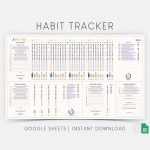
- The Best Habit Tracker Spreadsheet Templates for Simple Daily Progress - March 20, 2026
- Habit Tracking Apps Help You Achieve Your Personal Goals - March 19, 2026
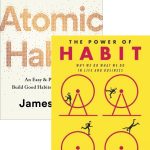
- Atomic Habits Book Reveals How Tiny Changes Transform Your Life - March 18, 2026