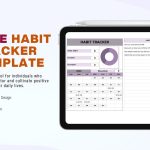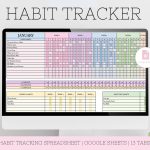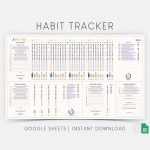
Life feels like a constant juggle, doesn’t it? You set ambitious goals – exercise daily, drink more water, read consistently – only to find yourself struggling to maintain momentum a few weeks in. This isn’t a failure of willpower; it’s often a lack of a clear, tangible system. That’s precisely where a well-designed habit tracker template steps in, transforming vague intentions into visible progress and making the journey toward lasting change genuinely achievable.
It’s more than just a fancy checklist; it’s a powerful feedback loop. By visually measuring, quantifying, and tracking your daily progress, a habit tracker provides the consistent feedback and gentle alerts you need. It turns the often-overwhelming task of goal-setting into a fun, gratifying ritual, helping you build the kind of good daily habits that stick for life.
At a Glance: What You’ll Discover
- The “Why” Behind the Tracker: Understand the profound psychological benefits of tracking your habits.
- Finding Your Perfect Fit: Navigate the diverse world of habit tracker templates – daily, monthly, circular, and more – to choose one that aligns with your specific goals.
- Setting Up for Success: A step-by-step guide to launch your tracking journey effectively, focusing on what truly matters.
- Strategies for Staying Consistent: Learn practical tips to maintain your streak, motivate yourself, and overcome common tracking pitfalls.
- Real-World Application: Explore common habits you can track and get answers to frequently asked questions.
The Power of Seeing Progress: Why Tracking Works Wonders
Imagine trying to save money without ever checking your bank balance. It’s difficult to stay motivated, right? Building habits works similarly. A habit tracker acts as your personal financial statement for self-improvement, offering immediate, tangible proof of your efforts. This simple act of marking off a box isn’t trivial; it’s a profound psychological tool.
Accountability in Your Hands: When you commit a habit to paper (or screen) and decide to track it, you’re creating a contract with yourself. This visual commitment fosters a strong sense of accountability, guiding you towards those positive daily routines and ambitious long-term goals. It’s about showing up for yourself, day after day.
Clarity Amidst the Chaos: How often do you wonder if you’re actually making progress? Habit tracking cuts through that uncertainty. It provides crystal-clear data on the behaviors that propel you forward versus those that might be holding you back. This clarity isn’t just about what you did; it’s about understanding where your consistent effort is going.
Uncovering Hidden Patterns: The real magic happens over time. Meticulous tracking allows you to identify subtle patterns in your behavior that you’d otherwise miss. Perhaps you consistently skip your morning workout on Tuesdays, or your water intake drops significantly on weekends. These insights are invaluable for informed decision-making and continuous personal improvement. They reveal opportune moments for adjustments and give you the power to proactively course-correct.
The Joy of Achievement and Growth: There’s an undeniable satisfaction in seeing a chain of completed squares or a fully colored-in mandala. Witnessing your progress visually ignites a profound sense of personal achievement and growth. This isn’t just about ticking boxes; it’s about building tangible evidence of your commitment and capacity to change, transforming what could be a chore into an enjoyable and rewarding daily ritual. Beyond daily checklists, habit trackers transform abstract aspirations into concrete realities, enhance productivity, manage time better, and help combat procrastination, deepening your commitment to set goals.
Finding Your Perfect Match: Types of Habit Tracker Templates
The world of habit tracker templates is surprisingly diverse, each designed to suit different tracking frequencies, personal preferences, and the specific nature of your habits. Choosing the right one is crucial for sustained engagement. Think of it like picking the right tool for a job; a hammer isn’t always best for a screw.
Daily Goal Habit Calendars
- What they are: These templates are designed for habits you want to perform every single day without fail. They often feature a grid with days of the week or numbered days (1-31) and rows for multiple habits.
- Best for: Hydration, exercise, meditation, daily reading, making your bed, taking medication.
- Why they work: The daily check-off creates immediate positive reinforcement, making consistency highly visible. They’re excellent for establishing foundational daily routines.
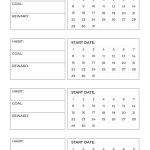
- Example: A simple 7×4 grid where each row is a habit and each column a day of the week for a month.
Weekly Habit Calendars
- What they are: Less rigid than daily trackers, these allow you to monitor habits that don’t need to be performed every day. You might track progress on a week-by-week basis rather than daily.
- Best for: Habits like calling family once a week, planning your upcoming week, specific project tasks, or creative endeavors (e.g., “write for 3 hours” – not necessarily daily).
- Why they work: They reduce the pressure of daily perfection and are ideal for habits with a slightly more flexible schedule. They help observe consistency over a broader period.
- Example: A template with 52 rows (one for each week of the year) and columns for 3-5 weekly habits.
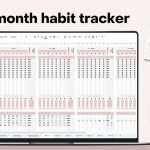
Monthly Habit Trackers
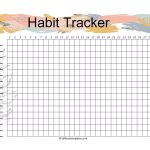
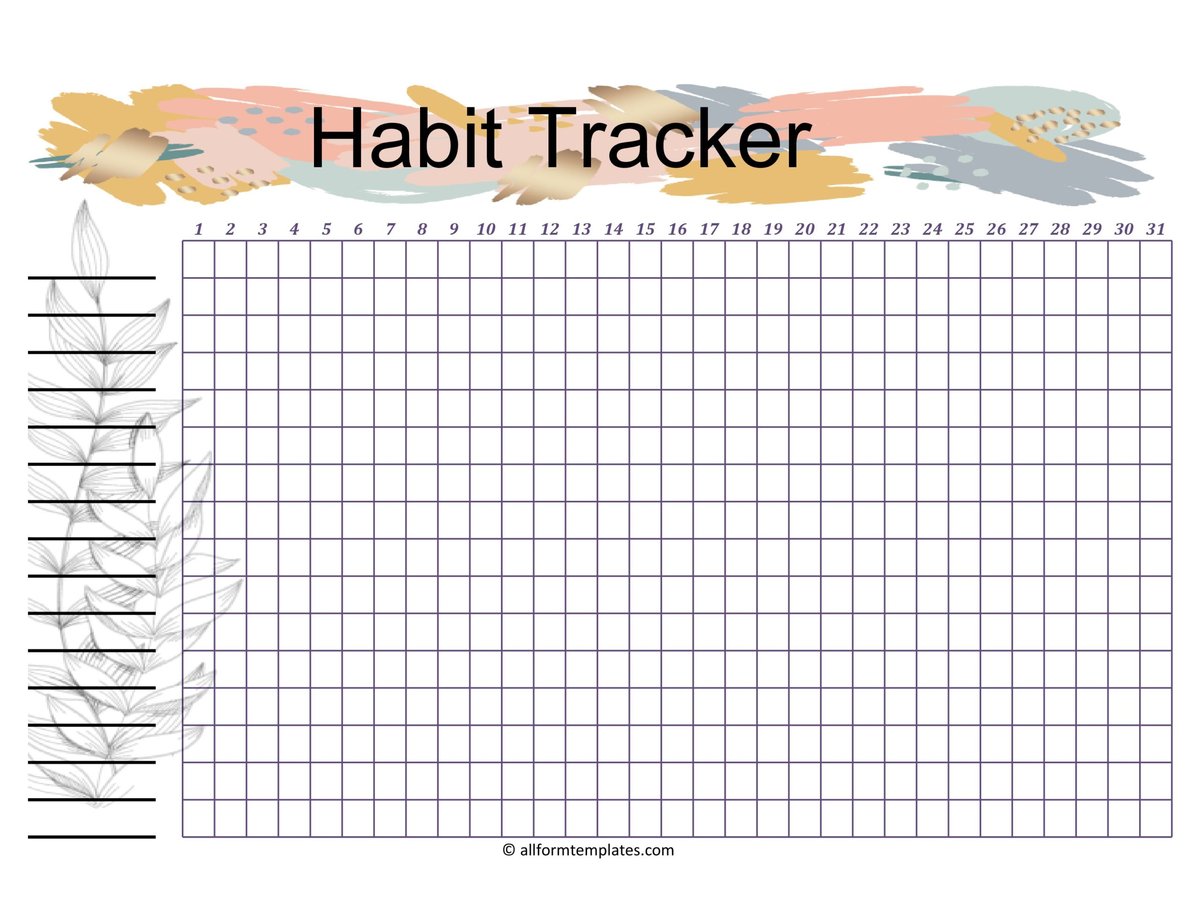
- What they are: These templates provide an overview for an entire month, often accommodating a larger number of habits (some up to 30!). They usually feature a grid with dates 1-31 across the top and habits listed down the side.
- Best for: Comprehensive tracking of various behaviors, like healthy eating, sleep cycles, avoiding sugary foods, journaling, or larger personal growth goals. They allow for a holistic view of your month.
- Why they work: Great for seeing monthly trends and identifying specific days or weeks where consistency might have wavered. They offer a powerful summary at the end of each month.
- Example: A grid with dates 1-31 horizontally and a list of up to 20 habits vertically. A user might track “Morning Routine,” “No Fast Food,” “Read 30 mins.”
Yearly/Long-term Trackers
- What they are: Often a single-page layout designed to monitor one specific habit or long-term goal across an entire year. Think of a “pixel-a-day” calendar for a mood or a single yearly tracker for “meditate daily.”
- Best for: Deeply ingrained habits you want to solidify for the long haul, major year-long projects, or tracking a single, pivotal behavior over time.
- Why they work: They provide a powerful visual representation of long-term commitment and progress, which can be incredibly motivating for big goals.
- Example: A template with 365 small squares, where each square represents a day. A user colors in a square each day they perform their target habit, like “write 500 words.”
Challenge Trackers (e.g., 30-Day or 100-Day)
- What they are: Highly focused templates designed for specific short-term challenges. They typically have 30 or 100 boxes/spaces to mark off, often with motivational prompts.
- Best for: Kicking off a new habit with intense focus, breaking an old one, or achieving a specific short-term goal like “30 days no sugar” or “100 days of coding.”
- Why they work: The defined start and end dates create a strong sense of urgency and purpose, making it easier to push through the initial resistance. The “finish line” is always in sight.
- Example: A “30-Day Fitness Challenge” template with 30 numbered boxes to check off, perhaps with space to note down the specific workout.
Undated Templates
- What they are: Versatile templates that lack specific dates, allowing you to start using them at any point in the year. You fill in the dates yourself.
- Best for: Anyone who wants flexibility, doesn’t want to wait for the start of a month or year, or who prints trackers on demand.
- Why they work: Maximum flexibility. No wasted paper if you miss a few weeks; you just pick up where you left off.
- Example: A monthly grid where the days of the week (Mon-Sun) and dates (1-31) are left blank for the user to fill in.
Circular/Mandala Designs
- What they are: Visually appealing templates, often featuring a central point with rings or segments for days, weeks, or habits. Users color in sections to track progress. Typically track 5-7 habits.
- Best for: Visual learners, those who enjoy a creative outlet, or individuals who find traditional grids less engaging. Great for a quick overview of multiple habits at once.
- Why they work: The act of coloring can be meditative and satisfying. The circular form offers a unique, holistic view of progress, and when complete, it’s a beautiful testament to your consistency.
- Example: A large circle divided into 31 segments for days, with up to 6 concentric rings, each representing a different habit. As you complete a habit, you color in that day’s segment in the corresponding ring.
Goal Setting Worksheets + Habit Trackers
- What they are: Comprehensive templates that combine goal definition (SMART goals, vision boards) with the actual habit tracking.
- Best for: Individuals who benefit from seeing the bigger picture alongside the daily grind. Great for linking micro-actions to macro-aspirations.
- Why they work: They ensure your daily habits are directly tied to your larger life goals, providing clarity and purpose for every checkmark.
- Example: A multi-page template where the first page outlines yearly goals, breaks them into quarterly objectives, and subsequent pages are monthly trackers for the supporting habits.
Minimalist & Simple Designs
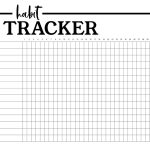
- What they are: Focus purely on the function of tracking with clean lines, minimal embellishments, and straightforward check-off systems.
- Best for: Individuals who dislike visual clutter, prefer efficiency, or want something easy to reproduce.
- Why they work: They remove distractions, making the act of tracking quick and unambiguous.
- Example: A plain black and white grid with simply “Habit Name” and “Days 1-31.”
Choosing the right format is the first step toward sustained success. Don’t be afraid to experiment! What works for one habit or one person might not work for another. To dive even deeper into the world of printable options and habit-building strategies, you can Access the habit tracker guide.
Designing Your Daily Wins: Setting Up Your Habit Tracker Template
Getting started with your habit tracker template doesn’t have to be complicated. The goal is simplicity and consistency, not perfection. Here’s a practical, step-by-step guide to launch your tracking journey effectively.
- Select Your Template: Based on your habits and preferences (daily, monthly, circular, etc.), choose the habit tracker template that feels most appealing and practical. Remember, many users find printable trackers more meaningful and motivating than digital apps because of the tactile engagement.
- Print and Prepare: Download your chosen template and print it out. Have your favorite pen, marker, or colored pencils ready. The physical act of marking off progress can be incredibly satisfying.
- Choose Your Core Habits: This is perhaps the most critical step. Instead of trying to change everything at once, focus your energy. Research consistently shows that trying to tackle too many new habits at once leads to burnout. To increase your chances of success, focus on the most important habits.
- Recommendation: Start with just one to four habits at a time. This allows you to channel your willpower effectively and build solid foundations before expanding.
- Ask yourself: What are the 1-4 habits that would make the biggest positive impact on my life right now? Be specific (e.g., “Drink 8 glasses of water,” not just “Drink water”).
- Write Down Your Habits Clearly: On your tracker, clearly list the habits you intend to build or track. Use concise, actionable language.
- Example:
- “Exercise for 30 mins”
- “Read 20 pages”
- “Meditate 10 mins”
- “No social media before 8 AM”
- Define Your “Win”: For each habit, know exactly what constitutes a “win.” Does “Exercise” mean a full gym session or just a 15-minute walk? Be clear to avoid ambiguity later. This clarity prevents you from fudging the rules when motivation wanes.
- Place Your Tracker Strategically: Put your printed template somewhere you’ll see it daily. Attach it to your fridge, pin it to a bulletin board, keep it on your desk, or tape it inside your journal. Visibility is key for consistent reminders.
Beyond the Checkmark: Making Your Habit Tracker Stick
Having the perfect habit tracker template is only half the battle; the other half is integrating it into your daily life so it becomes a powerful catalyst for change.
Mark Your Progress, Your Way
The act of marking off a day is your daily celebration. There’s no single right way to do it – choose what feels most rewarding to you:
- Check Boxes: Simple, clear, effective.
- X’s: A classic for a reason, definitive.
- Shading the Box: Visually satisfying, especially on a larger grid.
- Putting a Dot: Minimalist and quick.
- Colored Markers: This is where things get fun!
- Color-coding: If you’re tracking multiple activities on one page, assign a different color to each habit. This makes your progress pop and allows for a quick, at-a-glance overview of your consistency for each habit. For example, blue for water, green for exercise, yellow for reading.
- Mood Colors: Some people use colors to reflect how they felt about completing the habit (e.g., bright green for enthusiastic, light green for “just got it done”).
The “Don’t Break the Chain” Rule
Jerry Seinfeld famously used a similar method for writing jokes: he marked an ‘X’ on a calendar every day he wrote, and his goal was “never to break the chain.” This simple principle is incredibly potent. Commit to never breaking your streak, even if it means doing a “mini-version” of your habit (e.g., 5 minutes of exercise instead of 30, or reading 5 pages instead of 20). The goal is consistency above all else. A short streak is still a streak.
Reward Your Efforts
Habit formation thrives on positive reinforcement. When you accomplish a goal, especially after completing longer challenges (like a 30-day or 100-day streak), celebrate!
- Small, Frequent Rewards: After a week of consistent tracking, treat yourself to a special coffee or an episode of your favorite show.
- Larger Milestone Rewards: After a month or completing a challenge, consider a new book, a massage, or an experience you’ve been wanting.
- Crucial: Make sure your rewards don’t undermine the habit you’re building (e.g., don’t reward a “no sugar” streak with a giant cake!).
Embrace Imperfection (The Two-Day Rule)
While the “don’t break the chain” rule is powerful, life happens. You’ll miss a day. The key is to never miss two days in a row. If you slip up, acknowledge it, and commit to getting back on track immediately the next day. One missed day is a blip; two missed days can start a slide back into old patterns. Your habit tracker template is a tool for progress, not a weapon for self-criticism.
Common Habits You Can Track Today
The beauty of a habit tracker template is its versatility. You can use it for nearly any behavior you want to cultivate or eliminate. Here are some popular categories and examples to spark your ideas:
Health & Wellness
- Exercise/Movement (e.g., 30 min walk, gym session)
- Water Consumption (e.g., 8 glasses, 2 liters)
- Bedtime/Sleep Cycle (e.g., in bed by 10 PM)
- Meditation/Mindfulness
- Healthy Eating (e.g., 3 servings veggies, no processed snacks)
- Stretching/Yoga
- Taking Medication/Supplements
- Avoiding Fast Food/Sugary Food
- Avoiding Gadgets Before Bed
Personal Growth - Morning Routine (e.g., specific steps completed)
- Making Your Bed
- Learning New Things (e.g., Duolingo, online course)
- Journaling/Daily Reflection
- Practicing Gratitude (e.g., 3 things I’m grateful for)
- Daily Reading (e.g., 15 minutes, 1 chapter)
- Day Planning/Goal Setting for the next day
Relationships - Spending Quality Time with Family/Friends
- Date Nights/Quality Time with a Special Someone
- Sending a Thoughtful Message to a Loved One
Community - Volunteering or Community Contributions
- Performing a Random Act of Kindness
Productivity - Daily Tasks at Home (e.g., declutter 15 mins, tidy kitchen)
- Specific Workplace Tasks (e.g., respond to emails, focus block)
- Batching Tasks
Quick Answers: Your Habit Tracker FAQs
You’ve got questions; we’ve got crisp answers to common concerns about using a habit tracker template.
Is a printable habit tracker better than a digital app?
Many users find printable trackers more meaningful and motivating than digital apps due to the tactile experience of physically marking off progress. The act of writing and seeing your progress on paper can create a stronger psychological connection and a greater sense of accomplishment. Digital apps offer convenience and reminders, but printables provide a unique, tangible reward.
How many habits should I track at once?
To maximize your success rate, it’s generally recommended to focus on one to four habits at a time. Spreading your energy across too many new behaviors can lead to overwhelm and decreased consistency. Start small, build momentum, and then gradually add more habits once the initial ones are well-established.
What if I miss a day (or several days)? Do I give up?
Absolutely not! Missing a day is part of the human experience. The “two-day rule” is a great principle here: never miss two days in a row. If you miss a day, acknowledge it, and make an immediate commitment to get back on track the very next day. Your habit tracker is a tool for progress, not a record of perfection. The goal is long-term consistency, not flawless streaks.
Can I use a habit tracker for negative habits I want to stop?
Yes! While often used for positive habits, a habit tracker template can be powerful for tracking “avoidance habits” or breaking bad habits. Instead of marking when you do something, you mark when you don’t do it. For example, you could track “No sugary snacks” or “No social media after 9 PM.” This brings awareness to the frequency of the unwanted behavior and helps you consciously reduce it.
How long does it take to build a habit with a tracker?
The common myth is 21 days, but scientific consensus suggests it varies widely by individual and habit complexity, typically ranging from 18 days to 254 days for a new behavior to become automatic. A habit tracker provides the structure and feedback necessary to sustain your effort through this entire period, no matter how long it takes. It’s about consistency over time, not a race to a specific finish line.
Your Path to Lasting Change: Start Tracking Today
Building good daily habits and shedding old ones is one of the most impactful things you can do for your life. A habit tracker template isn’t just a piece of paper or a digital file; it’s a powerful ally in this journey. It’s the silent coach that celebrates your wins, highlights your patterns, and gently nudges you back on track.
The key is to start simple. Download a template, choose 1-4 habits that truly matter to you, and commit to marking them off daily. Don’t overthink the “perfect” template or method initially. The most effective tracker is the one you actually use consistently. Pick one, print it, write your habits, and begin seeing your progress unfold. Every marked box is a small victory, a testament to your growing commitment and capability. Your future self will thank you for the lasting good habits you build, one day at a time.

Through this website, I share simple, science-backed tips for low impact health whether it's gentle fitness routines, stress-free wellness habits, or eco-friendly lifestyle changes. My goal is to make healthy living more accessible, sustainable, and kind to both our bodies.
- Habit Tracker Free Printable PDFs Offer Many Styles for Everyone - March 27, 2026
- Habit Tracker Template Helps You Build Good Daily Habits - March 26, 2026
- Free Habit Tracker Printables to Help You Build Better Habits - March 25, 2026