When we talk about creating a future that genuinely excites us, the conversation often circles back to one fundamental truth: our habits. It’s not about grand, overnight transformations, but the small, consistent actions that quietly, almost imperceptibly, steer the ship of our lives. Building a robust good habits list isn’t just a trendy self-improvement task; it’s a deliberate act of sculpting your identity and designing the blueprint for your best life yet.
This isn’t about chasing perfection or adopting every “good” habit under the sun. It’s about intentionality—understanding what truly serves your vision, eliminating what doesn’t, and systematically integrating behaviors that move you closer to who you want to be.
At a Glance
- Understand the “Why”: Discover how habits aren’t just actions, but votes for your identity and future.
- Personalize Your List: Move beyond generic suggestions to craft a habits list tailored to your goals and values.
- Strategic Blueprint: Learn a structured approach to identifying, prioritizing, and categorizing habits across key life domains.
- Implement Micro-Changes: Master the art of starting small to build momentum and reduce resistance.
- Troubleshoot & Optimize: Get practical strategies for making habits stick and overcoming common pitfalls.
- Real-World Application: See how specific habits translate into tangible improvements in health, finances, and career.
The Quiet Power of Good Habits: Shaping Who You Are
Think of a good habit as a small, consistent behavior that delivers benefits to your overall well-being and helps you reach your goals. It could be as simple as making your bed each morning, taking a daily walk, or consciously choosing healthier foods. These aren’t just isolated actions; they are powerful drivers of improvement in your physical and mental health, productivity, and ability to make healthier choices automatically.
Over time, good habits become ingrained—they move from conscious effort to automatic routine, freeing up valuable mental energy. This process is profound because every single action you take is, in essence, a “vote for who you believe you are.” Repeatedly exercising, for example, isn’t just about physical fitness; it reinforces an identity of someone who is active, disciplined, and cares for their body. This identity feedback cycle—where your beliefs influence your behavior, which provides evidence that reinforces your beliefs—is the engine of personal growth and mastery.
Beyond Generic Lists: Crafting Your Personalized Good Habits Blueprint
While there are universal good habits, a truly impactful good habits list is deeply personal. It’s not about adopting every popular trend; it’s about aligning your actions with your deepest values and aspirations. This requires a bit of introspection before diving into action.
Step 1: Self-Assessment – Where Are You, and Where Do You Want to Be?
Before you decide what habits to build, take stock of your current life. A useful framework for this is the “Wheel of Life Assessment,” which typically includes 6-10 key life areas. These often span:
- Physical Health: Energy levels, fitness, diet, sleep.
- Positive Mental & Emotional Health: Stress levels, outlook, emotional regulation, inner peace.
- Relationships: Family, friends, romantic partners, social connections.
- Spiritual: Sense of purpose, connection to something greater than yourself.
- Financial: Savings, debt, income, financial literacy.
- Self-Development: Learning, personal growth, new skills.
- Professional Development (Career): Job satisfaction, career progression, skills.
- Home Environment: Organization, comfort, cleanliness.
Rate your satisfaction in each area (e.g., on a scale of 1-10). The areas with lower scores or those you feel most passionate about improving are prime candidates for habit focus. This exercise creates a clear picture of your starting point and desired trajectory.
Step 2: Define Your Identity & Vision – Who Are You Becoming?
This is where the power of identity-based habits comes into play. Instead of thinking “I want to run a marathon,” think “I want to be a runner.” Your habits should reinforce the identity you’re striving for. For each life area you want to improve, ask yourself:
- What kind of person achieves success in this area?
- What behaviors would that person consistently exhibit?
- What core values do I want my actions to reflect?
For instance, if you want better financial health, you might define yourself as “a financially responsible individual” rather than just “someone who saves money.” This subtle shift in focus makes habit formation more meaningful and sustainable, as discussed in the broader context of how Habits that shape your identity.
Step 3: Categorize & Brainstorm – Populating Your Good Habits List
Now, with your identity and desired outcomes in mind, let’s brainstorm specific habits for each life area. Draw inspiration from proven practices, but always filter them through your personal lens.
A. Physical Health & Vitality:
- Goal: To be an energetic, strong, and healthy individual.
- Habits: Conscious breathing exercises, a mindful morning stretch, a daily walk outside, drinking more pure water, opting for real/whole foods, practicing intermittent fasting, stopping eating before full, incorporating strength training for longevity, reducing evening blue light exposure, increasing natural sunlight, improving posture, and establishing a consistent morning routine.
- Example: Instead of “exercise more,” aim for “I am a person who starts every day with 15 minutes of dynamic stretching and takes a 30-minute walk during lunch.”
B. Mental & Emotional Well-Being: - Goal: To be a calm, clear-headed, and emotionally intelligent individual.
- Habits: Slowly reducing daily screen time, spending time barefoot outside (grounding), quieting the mind through meditation or mindfulness breaks, keeping living/working spaces organized, periodically evaluating beliefs, aligning behavior with values, practicing letting go of the past, shutting off devices two hours before sleep, practicing critical thinking, and reserving time for self-reflection.
- Example: “I am someone who dedicates 10 minutes to quiet reflection each morning and shuts off all screens an hour before bed.”
C. Relationships & Connection: - Goal: To be a supportive, connected, and present friend/family member.
- Habits: Smiling genuinely to others, calling relatives once a week, visiting loved ones regularly, being present in conversations (no phone), and actively listening.
- Example: “I prioritize connection by making one meaningful call to a loved one each week and being fully present during family meals.”
D. Financial Health & Stability: - Goal: To be a financially savvy and secure individual.
- Habits: Tracking all expenses, setting a budget, automating investments/savings, paying off debt strategically (e.g., high-interest first), contributing to retirement plans, and maintaining an emergency fund.
- Example: “I track every expense daily using a simple app, and I automate a portion of my income into savings every payday.”
E. Productivity & Professional Growth: - Goal: To be a focused, efficient, and continuously developing professional.
- Habits: Waking up early, planning the day, setting clear priorities, taking short breaks after every hour of work, making to-do lists, writing down ideas immediately, continuously learning (audiobooks, online courses), and creating a healthy work-life balance (setting boundaries, delegating).
- Example: “Before I start my workday, I identify my top three priorities, and I take a 10-minute break every hour to reset.”
F. Home Environment & Order: - Goal: To be an organized and mindful keeper of my living space.
- Habits: Making the bed daily, washing dishes immediately after use, putting clothes away, regular decluttering (one specific area per week), cleaning the desk every evening, and planning meals for the week.
- Example: “Every morning, I make my bed, and every evening, I clear my workspace and wash any dirty dishes.”
Step 4: Prioritize & Micro-Change – Starting Small, Building Big
Once you have a brainstormed list, it’s crucial to avoid overwhelm. You can’t implement everything at once.
- Prioritize: Select 1-3 habits that will have the biggest positive impact or are easiest to start with. Focus on “keystone habits”—those that tend to kickstart other positive changes (e.g., morning exercise often leads to better food choices).
- Micro-Changes (The 2-Minute Rule): To reduce resistance, make your new habit incredibly small at first. Can you do it in less than two minutes?
- Instead of: “Go to the gym for an hour.”
- Try: “Put on my workout clothes.”
- Instead of: “Meditate for 20 minutes.”
- Try: “Meditate for 2 minutes.”
- Instead of: “Read for 30 minutes.”
- Try: “Read one page of a book.”
This strategy builds momentum and makes the habit so easy to start that you can’t say no.
From List to Lifestyle: Implementing and Sustaining Good Habits
Building a good habits list is just the beginning. The real magic happens in the consistent, patient execution.
Making Habits Automatic: The Power of Consistency
Habits become automatic through consistent repetition. This process is stored in the brain’s basal ganglia, automating behavior and freeing up mental energy. The key is to show up, even when you don’t feel like it. Remember, consistency beats intensity. Even a minimal effort on an “off” day reinforces the habit loop.
Designing Your Environment for Success
Your environment plays a huge role in habit formation. Make good habits easy and bad habits hard.
- For Exercise: Lay out your workout clothes the night before.
- For Healthy Eating: Keep healthy snacks visible and unhealthy ones out of sight. Prepare meals in advance.
- For Reading: Keep a book on your nightstand instead of your phone.
- For Hydration: Keep a water bottle within arm’s reach at all times.
Tracking Progress & Staying Motivated
Tracking your habits provides visual proof of your progress, which is incredibly motivating.
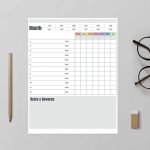
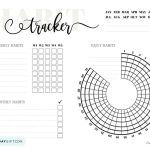
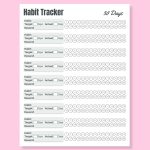
- Habit Trackers: Use a simple calendar, an app, or a bullet journal to mark off each day you complete a habit.
- Celebrate Small Wins: Acknowledge your consistency. Don’t wait for the big outcome; celebrate the daily effort.
- Self-Compassion: If you miss a day (and you will!), don’t beat yourself up. The goal isn’t perfection, but consistency over the long run. Just get back on track the next day. One missed day is a slip, two missed days become a pattern.
Troubleshooting Common Pitfalls
Even with the best intentions, habit formation has its challenges:
- Ego Depletion: Willpower is finite. If you’re mentally exhausted, you’re more likely to revert to old patterns. Counter this by making habits easy, linking them to existing routines (habit stacking), and protecting your mental energy.
- Example: “After I brush my teeth (existing habit), I will do 10 squats (new habit).”
- Dopamine Traps: Bad habits often provide instant gratification (dopamine hit). Good habits often have delayed rewards. Be aware of this and find ways to make your good habits more immediately rewarding, or consciously delay gratification.
- Unsupportive Environments: If your friends, family, or workplace make it hard to maintain new habits, identify these obstacles. Can you communicate your goals? Find new support networks? Or simply learn to navigate these situations with clear boundaries?
Practical Playbook: Habits for Key Life Areas
Let’s translate some common goals into actionable habits, inspired by best practices.
For a Thriving Career:
- Improve Time Management:
- Habit: Create a “Top 3 Tasks” list each morning, prioritizing high-impact items.
- Habit: Use the Pomodoro Technique (25 mins work, 5 mins break) to manage focus.
- Habit: Batch similar tasks (e.g., answer all emails at specific times).
- Grow Your Professional Network:
- Habit: Attend one industry event or online webinar per month.
- Habit: Send one personalized LinkedIn message to a new connection each week.
- Habit: Follow up with new contacts within 48 hours of meeting them.
For Financial Freedom: - Track Your Expenses:
- Habit: Every evening, categorize all transactions from the day using an app or spreadsheet.
- Habit: Review your budget once a week to identify areas for adjustment.
- Set Up an Emergency Fund:
- Habit: Automate a fixed transfer to a separate savings account on payday.
- Habit: Allocate any unexpected income (bonuses, tax returns) directly to this fund.
For Optimal Health: - Increase Physical Activity:
- Habit: Take the stairs instead of the elevator whenever possible.
- Habit: Go for a 10-minute walk after lunch or dinner.
- Habit: Do 5-10 minutes of bodyweight exercises (squats, push-ups) upon waking.
- Improve Eating Habits:
- Habit: Plan your healthy meals for the week on Sunday.
- Habit: Eat at least one serving of vegetables with every meal.
- Habit: Stop eating when you feel 80% full, rather than completely stuffed.
Quick Answers to Common Questions
Q: What’s the difference between a good habit and a bad one?
A: A good habit supports your physical, mental, emotional, or spiritual well-being, promoting growth and balance. A bad habit is an unsupportive pattern that reinforces limitation and leads away from positive health, often formed easily due to the brain’s reward-seeking nature (dopamine).
Q: How long does it take to form a good habit?
A: There’s no single magic number. While some studies suggest anywhere from 18 to 254 days, the average is closer to 66 days for a new behavior to become automatic. What’s most important isn’t the duration, but the consistency and patience throughout the process.
Q: Can good habits really change my identity?
A: Absolutely. Every action is a “vote for who you believe you are.” Repeated actions reinforce a chosen self-image. Aligning your actions with your values strengthens self-trust and literally rewires your brain, as the basal ganglia store routine behaviors, solidifying your new identity.
Q: What if I miss a day of my new habit?
A: Don’t let one missed day derail you. The “never miss twice” rule is powerful. If you skip a day, make sure you get back on track the very next day. One lapse is a blip; two becomes a pattern. Self-compassion is key.
Q: Should I start with many habits or just a few?
A: Start small and slow. Attempting too many new habits at once often leads to burnout and failure. Focus on 1-3 new habits at a time, master them, and then gradually layer on more. This slow, patient, and deliberate approach using micro-changes reduces resistance and builds lasting momentum.
Your Blueprint for a Better Future
Creating a powerful good habits list is an ongoing journey, not a destination. It’s about intentionality—choosing to live proactively rather than reactively. Start by reflecting on who you want to be, identify the actions that person would take, and then commit to consistently taking those small, powerful “votes” for your ideal self.
Remember the power of the micro-change: just two minutes of effort can be enough to kickstart a lifelong habit. Be patient, be persistent, and be kind to yourself. Your best life isn’t built overnight, but rather brick by brick, habit by habit, until the blueprint you’ve meticulously crafted becomes your lived reality.

Through this website, I share simple, science-backed tips for low impact health whether it's gentle fitness routines, stress-free wellness habits, or eco-friendly lifestyle changes. My goal is to make healthy living more accessible, sustainable, and kind to both our bodies.
- Building a Good Habits List for Your Best Life Yet - April 11, 2026
- Common Examples of Habits for a Healthier You - April 10, 2026
- List of Habits That Shape Your Identity and Future - April 9, 2026