Small, consistent actions, repeated day in and day out, are the unseen architects of our lives. These are the examples of habits that quietly build our future, dictating our health, our relationships, our success, and even our innermost thoughts. But how do we identify the habits that truly serve us, and more importantly, how do we begin integrating them into our bustling daily routines for a genuinely healthier self?
This article isn’t just a list; it’s a practical guide to understanding and adopting the most impactful examples of habits for a healthier, more fulfilling existence. We’ll explore tangible, actionable habits across key life areas, offering you a clear roadmap to cultivate a lifestyle that aligns with your best intentions.
At a Glance: Building a Healthier You, Habit by Habit
- Understand the Blueprint: Discover how habits form and why they’re crucial for physical, mental, and financial well-being.
- Explore Core Examples: Get specific, actionable habit ideas for boosting your physical health, mental resilience, and productivity.
- Learn to Implement: Find practical, step-by-step guidance on choosing, starting, and sustaining new, positive habits.
- Navigate Challenges: Address common questions and pitfalls in habit formation, ensuring your journey is sustainable.
- Start Small, Dream Big: See how tiny, consistent efforts snowball into significant life improvements.
The Unseen Architects: How Habits Reshape Your World
Every choice you make, every thought you entertain, and every action you take, when repeated, carves a neural pathway. This is the essence of habit formation—behaviors becoming automatic, freeing up your mental energy for more complex tasks. Good habits aren’t just about discipline; they’re about creating an automatic system for success. James Clear, author of Atomic Habits, emphasizes that our identity is a reflection of our habits. What you repeatedly do is who you become.
Bad habits, conversely, lead to stagnation, missed opportunities, and a sense of being perpetually overwhelmed. The good news? You have the power to consciously choose and cultivate habits that propel you towards your aspirations. Whether it’s improved fitness, greater financial stability, or profound mental well-being, the right habits are your most reliable vehicle. To dive deeper into the comprehensive framework of how various habits contribute to this transformation, explore our full guide on how habits can help you Shape your identity and future.
Now, let’s explore some common, high-impact examples of habits that can genuinely make you healthier.
Examples of Habits for Boosting Your Physical Vitality
Physical health isn’t just about what you do in the gym; it’s a constellation of daily choices that nourish your body from the inside out.
- Regular Physical Activity: This doesn’t mean hours at the gym every day. Start small.
- The 10-Minute Walk: Dedicate 10-15 minutes each day to walking, perhaps during a lunch break or after dinner. Scenario: Instead of scrolling on your phone, Sarah puts on her shoes and walks around the block, clearing her head and getting her blood flowing.
- Take the Stairs: Whenever possible, opt for stairs over elevators. It’s a micro-burst of activity that adds up.
- Bodyweight Exercises at Home: Five minutes of push-ups, squats, or planks upon waking or before bed can build strength.
- Active Transportation: If feasible, walk or cycle for short errands.
- Regular Stretching: Even 5-10 minutes of gentle stretching daily can improve flexibility and reduce muscle stiffness.
- Nutritious Diet: Your fuel source directly impacts your energy levels, mood, and long-term health.
- Hydration First: Start your day with a large glass of water, and keep a water bottle handy to ensure you’re drinking eight 8-ounce glasses daily.
- Add More Vegetables: Make it a habit to add a serving of vegetables to every meal. Tip: Keep pre-chopped veggies in the fridge for quick additions.
- Mindful Eating: Slow down, savor your food, and pay attention to your body’s hunger and fullness cues. This helps prevent overeating and improves digestion.
- Whole Grains Over Refined: Swap white bread and pasta for whole-grain alternatives.
- Eat Breakfast Daily: Fuel your metabolism and concentration with a balanced breakfast including complex carbs, protein, and healthy fats.
- Reduce Processed Snacks: Swap chips for air-popped popcorn, or sugary desserts for fruit.
- Prioritize Quality Sleep: Rest is when your body repairs and regenerates.
- Consistent Sleep Schedule: Go to bed and wake up at roughly the same time every day, even on weekends. This regulates your body’s natural clock.
- Wind-Down Routine: Establish a relaxing ritual an hour before bed—reading, light stretching, or a warm bath—to signal to your body it’s time to sleep.
- Digital Detox Before Bed: Avoid screens (phones, tablets, TV) for at least an hour before sleep to prevent blue light from disrupting melatonin production.
- Good Hygiene & Self-Care: These foundational habits often get overlooked but are vital for preventing illness and boosting confidence.
- Brush and Floss Daily: Twice daily brushing and daily flossing are non-negotiable for oral health.
- Protective Sun Care: Make sunscreen a daily habit, especially if you’ll be outdoors between 10 AM and 4 PM.
- Regular Medical Checkups: Schedule and attend routine doctor’s appointments, even when you feel well, for preventative care.
Examples of Habits for Cultivating Mental & Emotional Resilience
A healthy mind and balanced emotions are just as crucial as physical fitness. These habits build your inner strength.
- Mindful Meditation: Even 5-10 minutes daily can significantly reduce stress and improve focus.
- The “Start Small” Approach: Begin with guided meditations (apps like Calm or Headspace are great) for just 3-5 minutes, focusing on your breath. Case Snippet: David used to feel overwhelmed by his workday, but a 5-minute morning meditation helped him start his day with a clearer, calmer mind.
- Regular Journaling: Writing down your thoughts and feelings helps process emotions, reduce anxiety, and gain self-awareness.
- Gratitude Journal: Dedicate 5 minutes each day to list things you’re grateful for. This shifts your perspective towards positivity.
- Thought Dump: If you’re feeling overwhelmed, simply write down everything on your mind without judgment.
- Positive Affirmations: Daily repetition of positive statements about yourself can reprogram negative thought patterns.
- Example: “I am capable and strong,” “I choose joy,” “I am enough.”
- Stress Management Techniques: Proactive steps to manage stress are key.
- Deep Breathing Exercises: Practice diaphragmatic breathing for a few minutes when you feel tension rising.
- Time in Nature: Spending time outdoors, even a walk in a local park, can be incredibly restorative.
- Healthy Relationships: Nurturing your connections is vital for emotional well-being.
- Sincere Communication: Make it a habit to genuinely listen and express yourself openly with loved ones.
- Cultivating Empathy: Consciously try to understand others’ perspectives, fostering deeper connections.
- Daily “I Love You” or Hug: For romantic partners or close family, a small daily gesture of affection can strengthen bonds.
- Digital Detox & Balanced Screen Time: Constant connectivity can be draining.
- Designated “No Screen” Times: Set specific hours (e.g., first hour of waking, last hour before bed) when you avoid screens.
- Mindful Social Media Use: Be intentional about why you’re checking social media, and set time limits.
- Lifelong Learning & Cognitive Stimulation: Keeping your brain active is crucial for mental agility.
- Puzzles & Brain Games: Crosswords, Sudoku, or learning a new language.
- Reading Daily: Dedicate time each day to reading books, articles, or educational podcasts.
Examples of Habits for Sharpening Your Productivity & Growth
Productivity isn’t just about doing more; it’s about doing the right things, efficiently and effectively, to achieve your goals.
- Establishing a Morning Routine: A consistent morning routine sets the tone for your entire day.
- Example: Wake up early, hydrate, meditate, journal, then exercise—all before checking emails. This prevents you from starting the day reactively.
- Time Management & Planning: Taking control of your schedule is empowering.
- Daily To-Do Lists: Before you end your workday or the night before, create a realistic list of 3-5 priority tasks for the next day.
- Breaking Down Tasks: For large projects, break them into smaller, manageable steps. This reduces overwhelm and makes progress feel more attainable.
- Using Tools: Employ calendars, timers (like the Pomodoro Technique), or task management apps to stay organized.
- Prioritization: Regularly evaluate your tasks and prioritize based on importance and urgency. Case Snippet: Mark struggled with procrastination until he started using the “Eisenhower Matrix” to categorize tasks into ‘Do Now,’ ‘Schedule,’ ‘Delegate,’ and ‘Eliminate’.
- Goal Setting: Clearly defined goals provide direction and motivation.
- SMART Goals: Make your goals Specific, Measurable, Achievable, Relevant, and Time-bound.
- Regular Review: Periodically review your goals and adjust your habits accordingly.
- Lifelong Learning & Skill Development: The world is constantly evolving, and so should you.
- Daily Reading: Dedicate time to reading books or articles related to your field or personal interests.
- Continuing Education: Enroll in online courses, workshops, or webinars to expand your knowledge.
- Vocabulary Expansion: Learn a new word daily; it boosts communication and cognitive function.
- Proactive Problem Solving: Don’t wait for problems to become crises.
- Identify Potential Issues: Regularly review areas of your life (work, finances, relationships) for potential challenges.
- Brainstorm Solutions: Make it a habit to think critically and develop potential solutions before problems escalate.
Examples of Habits for Securing Your Financial Future
Financial well-being is a cornerstone of overall health and peace of mind.
- Balanced Budgeting & Tracking Expenses: Knowing where your money goes is the first step to controlling it.
- Monthly Budget Review: Dedicate an hour each month to review your income, expenses, and savings goals.
- Expense Tracking: Use an app, spreadsheet, or notebook to record every expenditure. This reveals spending patterns and areas for cutbacks.
- Automating Investments & Savings: “Set it and forget it” is a powerful strategy.
- Automatic Transfers: Set up automatic transfers from your checking to your savings or investment accounts (e.g., 401k, emergency fund) immediately after your paycheck hits.
- Paying Bills Automatically: Enroll in auto-payments for recurring bills to avoid late fees.
- Mindful Spending: Conscious choices about purchases.
- “24-Hour Rule”: For non-essential purchases, wait 24 hours before buying to prevent impulsive decisions.
- Grocery Shop on a Full Stomach: This habit helps prevent impulse buys of unhealthy snacks.
- Saving for an Emergency Fund: Build a safety net for unexpected expenses.
- Separate Savings Account: Create a dedicated savings account for emergencies and contribute to it monthly. Aim for 3-6 months of living expenses.
Choosing Your Habit Highway: Where to Begin?
With so many examples of habits, deciding where to start can feel overwhelming. Here’s a simple framework:
- Identify Your “Why”: What areas of your life need the most attention? Health, finances, relationships, mental well-being? What’s your biggest pain point or aspiration?
- For example, if you constantly feel tired and sluggish, focusing on physical health habits like sleep and exercise might be your starting point.
- Start Small, Think Big: Don’t try to overhaul everything at once. Pick one small habit that feels easy to implement and provides an immediate, positive feeling.
- Instead of “exercise for an hour daily,” start with “walk for 10 minutes after dinner.”
- Align with Your Values: The most sustainable habits are those that resonate with your core values and long-term vision for yourself. If health is a top value, then habits like daily walks or mindful eating will feel more natural.
Turning Examples into Everyday Action: Your Practical Playbook
Adopting new habits—even small examples of habits—requires intention and strategy.
- The “Atomic Habits” Principle (Cue, Craving, Response, Reward):
- Cue: What triggers the habit? (e.g., Waking up, finishing a meal).
- Craving: What do you anticipate from the habit? (e.g., Feeling energized, sense of accomplishment).
- Response: The habit itself (e.g., Drinking water, meditating).
- Reward: The positive outcome (e.g., Hydration, clarity).
- To make a new habit stick, make the cue obvious, the craving attractive, the response easy, and the reward satisfying.
- Habit Stacking: Attach a new habit to an existing one.
- Example: “After I brew my coffee (existing habit), I will meditate for five minutes (new habit).”
- Environment Design: Make desired habits easier and undesired habits harder.
- Want to exercise? Lay out your workout clothes the night before. Want to eat healthier? Keep fresh fruits and vegetables visible in your fridge.
- Accountability Partner: Share your habit goals with a friend, family member, or colleague. Knowing someone else is aware of your commitment can provide extra motivation.
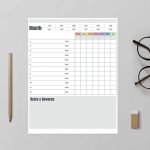
- Track Your Progress: Use a habit tracker app, a bullet journal, or simply mark off days on a calendar. Seeing your streak can be incredibly motivating.
- Case Snippet: Emily started tracking her daily water intake with an app. Seeing her “water streak” grow encouraged her to keep going, even on busy days.
- The “Don’t Break the Chain” Rule (But Don’t Fear Missing a Day): Try not to miss more than one day in a row. A single slip-up is a minor setback; two days become a pattern. Consistency, not perfection, is the goal.
Quick Answers to Your Habit Questions
How long does it take to form a new habit?
Research suggests it varies widely, from 18 to 254 days, with an average of 66 days. The key is consistency, not the specific number of days. Focus on showing up every day, not on a finish line.
What if I miss a day (or several) of my new habit?
Don’t beat yourself up! Everyone slips. The crucial part is to get back on track immediately. Forgive yourself, learn from the lapse (what triggered it?), and restart the very next day. Consistency over time trumps perfection.
How do I break a bad habit?
Breaking a bad habit often involves replacing it with a good one. Identify the triggers for the bad habit and find a healthier, more positive behavior to substitute. For example, if you reach for a snack when stressed, try a deep breathing exercise or a short walk instead. Make the bad habit harder to do (e.g., keep unhealthy snacks out of sight).
Can small habits really make a big difference?
Absolutely. Small habits compound over time. A 1% improvement each day leads to a 37-times improvement over a year. Think of daily reading, saving a small amount, or a 10-minute walk—these small actions create massive positive changes in the long run.
Your Journey to a Healthier, Happier Self Starts Now
The journey to a healthier, more fulfilling life isn’t about grand gestures or radical transformations overnight. It’s about the quiet power of consistency, the deliberate choice to incorporate beneficial examples of habits into your daily rhythm. Whether you pick one physical health habit, a mental resilience practice, or a simple productivity trick, remember that every small step you take, when repeated, contributes to the person you are becoming. Choose wisely, start small, and trust the process. Your future self will thank you for it.

Through this website, I share simple, science-backed tips for low impact health whether it's gentle fitness routines, stress-free wellness habits, or eco-friendly lifestyle changes. My goal is to make healthy living more accessible, sustainable, and kind to both our bodies.
- Common Examples of Habits for a Healthier You - April 10, 2026
- List of Habits That Shape Your Identity and Future - April 9, 2026
- Monthly Habit Tracker Printable PDF Templates for Building Consistent Routines - April 8, 2026