When you hear the term “healthy eating,” what comes to mind? For many, it’s a world of strict calorie counting, bland salads, and giving up everything you love. But what if we told you that’s an outdated, unhelpful, and frankly, unsustainable way to think about food?
True healthy eating isn’t about deprivation or complex math. It’s about abundance, quality, and fueling your body with vibrant, nutrient-dense foods that make you feel your best. It’s a shift from asking “How many calories?” to “What’s the quality of my food?” This guide is your new foundation—a clear, simple framework for building a plate and a lifestyle that nourishes you for the long haul.
The Blueprint for a Truly Healthy Plate
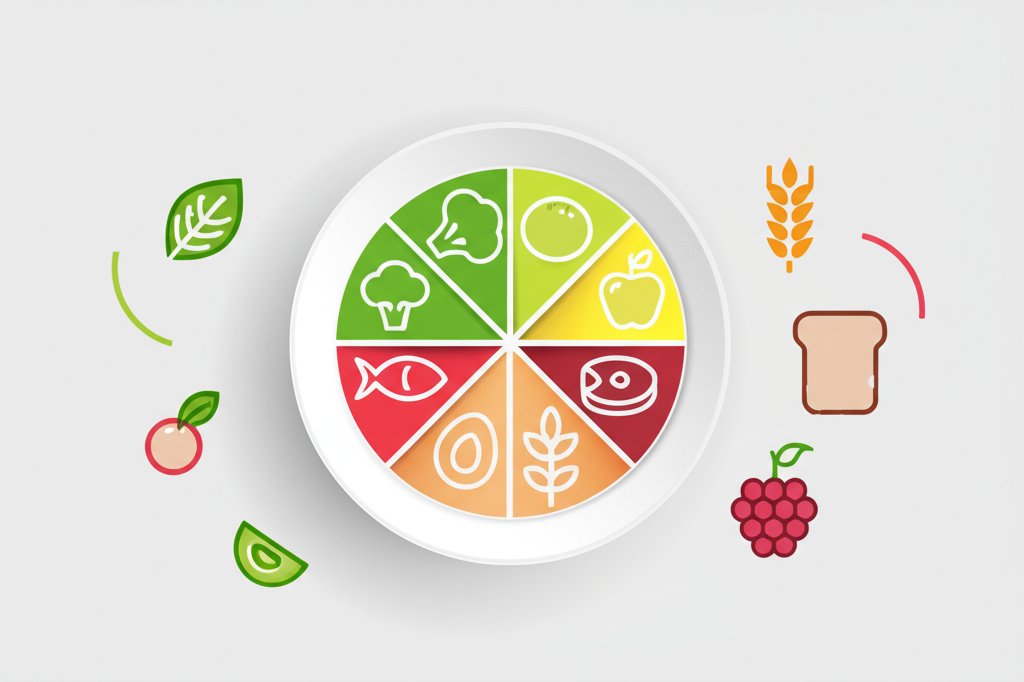
Forget fad diets and confusing rules. The single most effective tool for visualizing a healthy meal is the Healthy Eating Plate, developed by nutrition experts at Harvard T.H. Chan School of Public Health. It’s a simple, powerful blueprint for any meal.
Imagine your plate divided into three sections:
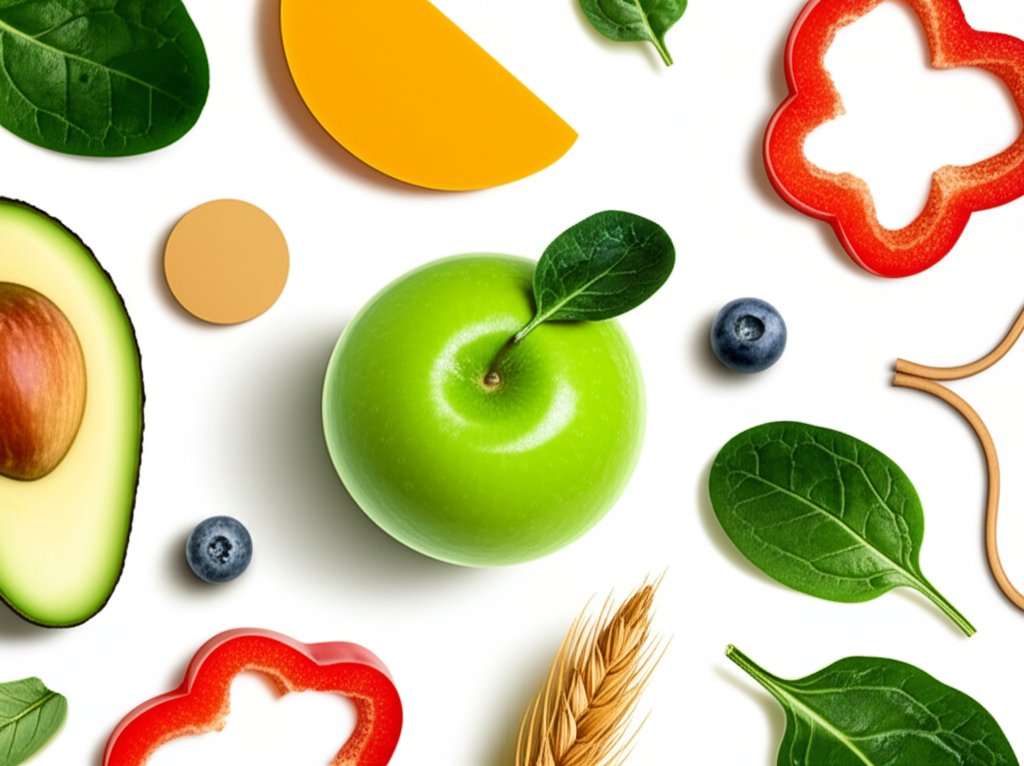
- Fill Half (½) Your Plate with Fruits and Vegetables. Aim for a rainbow of colors to get a wide range of vitamins and minerals. Think leafy greens, broccoli, bell peppers, berries, and apples. And a quick note: while potatoes are delicious, their impact on blood sugar means they don’t count as a vegetable in this model.
- Fill One Quarter (¼) with Whole Grains. These are carbohydrates that provide sustained energy. Choose options like quinoa, oats, brown rice, and whole-wheat bread. They have a gentler effect on blood sugar and insulin compared to refined grains like white bread and white rice.
- Fill Your Final Quarter (¼) with Healthy Protein. Power your muscles and stay full with sources like fish, chicken, beans, nuts, and tofu. It’s best to limit red meat and avoid processed meats like bacon and sausage, which are linked to negative health outcomes.
This framework also reminds us to use healthy plant-based oils like olive or canola oil, stay hydrated with water, coffee, or tea, and incorporate regular physical activity. The goal is balance and quality, not a specific calorie count, because everyone’s needs are different.
Why Food Quality Trumps Calorie Counting

The idea that a calorie is just a calorie is one of the biggest myths in nutrition. The source of your calories matters immensely. Your body responds very differently to 200 calories from an avocado versus 200 calories from a sugary cookie.
Foods rich in nutrients—like vitamins, minerals, protein, fiber, and healthy fats—are considered “nutrient-dense.” These foods, such as vegetables, fatty fish, eggs, and nuts, provide significant nutritional value for the energy they contain. They keep you feeling full and energized, support a healthy gut microbiome, and protect against chronic illness.
In fact, extensive research shows that following the Healthy Eating Plate guidelines significantly lowers your risk for heart disease and premature death. It’s a testament to a simple truth: focusing on high-quality foods is a more effective and enjoyable path to long-term health than obsessing over numbers.
Building Your Healthy Eating Habits, One Meal at a Time
Knowing what to do is one thing; putting it into practice is another. The key is to build a supportive environment and focus on small, sustainable actions rather than a dramatic, overnight overhaul.
Start with Your Kitchen
You’re more likely to make healthy choices when they are the easiest choices available. Set yourself up for success by stocking your kitchen with nourishing staples:
- Fresh & Frozen Produce: Keep a variety of fruits and vegetables on hand for snacks and meals. Frozen is just as nutritious and lasts longer.
- Lean Proteins: Stock up on chicken, fish, eggs, tofu, and canned beans.
- Whole-Grain Carbs: Have brown rice, quinoa, oats, and sweet potatoes ready to go.
- Healthy Fats: Keep olive oil, avocados, nuts, and seeds in your pantry.
A Simple Formula for Satisfying Meals
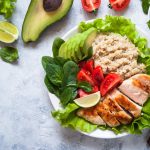
When you’re putting a meal together, don’t overthink it. Just remember the “Rule of Three”: Protein + Healthy Fat + Fiber-Rich Carb. This powerful combination helps stabilize your blood sugar, keeps you feeling full for hours, and ensures you’re getting a balanced mix of macronutrients. A simple grilled chicken salad with avocado and a side of quinoa perfectly fits the bill.
Embrace Progress, Not Perfection
Trying to be perfect is a recipe for failure. Instead, focus on small, consistent steps. Start by cooking just one or two more meals at home each week. And let go of the “cheat day” mentality, which creates a cycle of restriction and binging. This all-or-nothing approach is often what leads to feeling stressed and Constantly thinking about food, which defeats the purpose of building a positive relationship with eating.
Healthy eating is a journey of discovery. If you despise a certain “healthy” food, don’t force it. There are countless other delicious, nutrient-dense options to explore. Find what you genuinely enjoy.
By shifting your focus from rigid rules to a flexible framework of quality, you’re not just adopting a diet—you’re building a more energized and resilient life. This approach gives you the tools to create delicious, satisfying meals that truly nourish your body from the inside out.

Through this website, I share simple, science-backed tips for low impact health whether it's gentle fitness routines, stress-free wellness habits, or eco-friendly lifestyle changes. My goal is to make healthy living more accessible, sustainable, and kind to both our bodies.
- Healthy Eating Habits to Fuel Your Body for Lasting Vitality - May 9, 2026
- Inspirational Health Related Sayings for Your Best Self - May 8, 2026
- Healthy Mind Quotes for Cultivating Peace and Mental Strength - May 7, 2026