It’s easy to dismiss a few pounds gained over the holidays or a busy season at work, but the creep of 20 pounds of fat changes more than just the number on the scale. It’s a silent addition that reshapes your silhouette, strains your joints, and rewires your body’s internal systems in ways you might not expect. Understanding what this mass truly represents—both in volume and in health impact—is the first step toward reclaiming control.
At a glance: What you’ll learn
- Why 20 pounds of fat takes up so much more space than 20 pounds of muscle.
- How fat distribution differs by gender and genetics, creating distinct body shapes.
- The specific, often unseen, health risks tied directly to this amount of excess weight.
- Actionable steps for creating a sustainable fat loss plan without extreme measures.
- How to track progress when the scale might not be telling the whole story.
- Common myths and misconceptions about losing a significant amount of fat.
The Visual Deception: Why 20 Pounds Looks So Different on Everyone
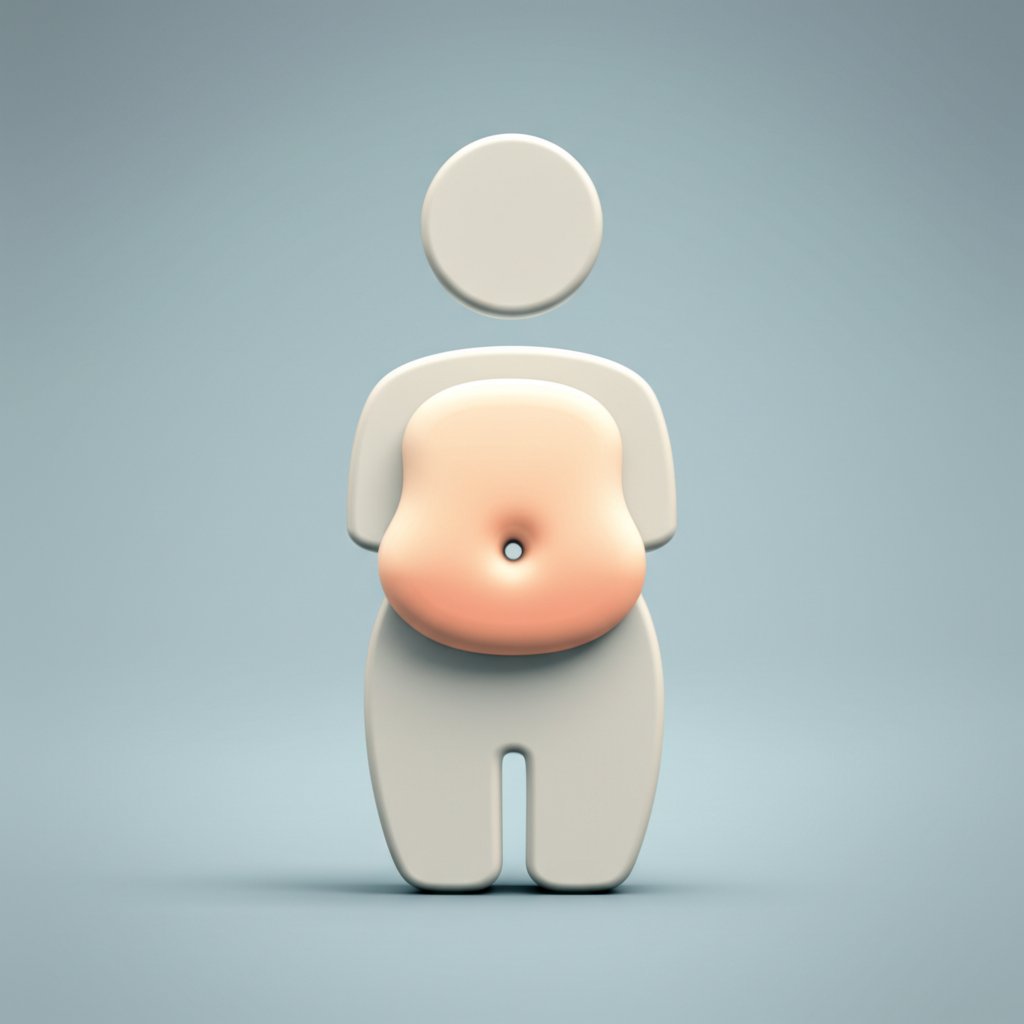
Twenty pounds is twenty pounds, right? Not exactly. The visual impact of gaining 20 pounds of fat is dramatic because fat is significantly less dense than muscle. Think of it like a bulky, lumpy pillow compared to a small, heavy dumbbell—they might weigh the same, but the pillow takes up far more space.
Specifically, 20 pounds of fat occupies about 4.5 liters of volume. Picture a medium-sized duffel bag or about twelve full bottles of wine; that’s the space it’s claiming on your frame. In contrast, 20 pounds of dense, compact muscle would look about a quarter of that size. For a more comprehensive gallery of what this looks like on different frames, you can See 20 lbs of body fat.
This is why someone can lose 20 pounds of fat and gain some muscle, yet see a radical transformation in the mirror—dropping multiple clothing sizes—even if the scale only shows a 15-pound net loss.
Where Does It Go? Gender and Genetics Call the Shots
Your body doesn’t distribute fat evenly. Genetics, hormones, and gender play the leading roles in determining where those extra 20 pounds will settle.
- For Men (Android or “Apple” Shape): Men are genetically predisposed to store visceral fat, the dangerous type that wraps around abdominal organs. This leads to the classic “beer belly” or apple shape. Gaining 20 pounds of fat often translates directly to a significant increase in waist circumference, a more pronounced gut, and potential “man boobs” (gynecomastia).
- For Women (Gynoid or “Pear” Shape): Women, particularly before menopause, tend to store subcutaneous fat in the hips, thighs, and buttocks. This pear-shaped distribution is linked to hormones like estrogen. An extra 20 pounds of fat on a woman might mean fuller thighs that rub together, a rounder backside, and softer upper arms, with a less dramatic initial increase in waist size compared to men.
Case Snippet: Same Weight, Different Story
Mark, 42, and Lisa, 39, both gained roughly 20 pounds over two years. Mark’s new suits felt tight around the waist, his shirts strained at the buttons, and his doctor flagged his rising blood pressure. Lisa noticed her jeans wouldn’t go past her thighs, her arms felt flabbier in tank tops, and she felt more cellulite on her legs. The same 20 pounds of fat created entirely different daily frustrations and visual changes.
More Than a Number: The Hidden Health Toll of 20 Extra Pounds
While the aesthetic changes are often the primary motivation for weight loss, the most critical impact of carrying an extra 20 pounds of fat happens internally. This excess weight isn’t just inert mass; it’s an active endocrine organ that secretes inflammatory hormones and disrupts normal bodily functions.
Your Body’s Systems Under Strain
Gaining 20 pounds of fat can be the tipping point for several chronic conditions. According to the National Institutes of Health, even modest weight gain significantly increases health risks.
- Heart Disease & High Blood Pressure: Your heart has to pump blood through more tissue, increasing its workload. This can raise your systolic blood pressure and contribute to higher levels of LDL (“bad”) cholesterol and triglycerides.
- Type 2 Diabetes: Excess fat, especially visceral fat, increases insulin resistance. Your pancreas has to work overtime to produce enough insulin to manage blood sugar, eventually leading to burnout and elevated glucose levels.
- Joint Pain: Every extra pound of body weight adds about four pounds of pressure on your knees. An extra 20 pounds of fat means 80 extra pounds of force hammering your knee joints with every step, accelerating wear and tear.
- Sleep Apnea: Fat deposits in the neck and throat can narrow the airway, causing you to stop breathing intermittently during sleep. This leads to poor sleep quality, daytime fatigue, and increased cardiovascular strain.
- Hormonal Imbalance: In women, it can exacerbate conditions like Polycystic Ovary Syndrome (PCOS). In men, it can lower testosterone levels while increasing estrogen, affecting muscle mass, energy, and libido.
The Myth of “Spot Reduction” vs. The Reality of Overall Fat Loss
One of the most common questions is, “How can I lose these 20 pounds from my belly/thighs/arms?” The answer is simple but often frustrating: you can’t. Your body loses fat from all over in a genetically predetermined pattern, which is often the reverse of how you gained it.
If your belly was the first place you gained fat, it might be the last place you see it disappear. This is why a comprehensive approach is non-negotiable. You can’t do a million crunches to burn 20 pounds of belly fat. Instead, you create a systemic calorie deficit that forces your body to pull energy from fat stores all over your body.
Your Playbook: Losing 20 Pounds of Fat the Right Way
Losing 20 pounds of fat requires shedding approximately 70,000 calories more than you consume. While that number sounds massive, breaking it down makes it manageable. A safe and sustainable rate of fat loss is 1 to 2 pounds per week, which requires a daily deficit of 500 to 1,000 calories. This puts a realistic timeline at 10 to 20 weeks.
Here’s how to build a plan that works.
Step 1: Master the Calorie Deficit
You don’t need a fad diet. You need a consistent calorie deficit.
- Calculate Your Maintenance Calories: Use a free online TDEE (Total Daily Energy Expenditure) calculator. This is the number of calories you need to eat to stay at your current weight.
- Set Your Target: Subtract 500 calories from your TDEE. This is your daily calorie goal for losing about one pound per week. Avoid dropping below 1,200 (for women) or 1,500 (for men) calories without medical supervision.
- Track Your Intake: Use an app like MyFitnessPal or Lose It! for the first few weeks. This isn’t forever, but it builds awareness of portion sizes and hidden calories.
Step 2: Build Your Plate for Satiety and Muscle Preservation
What you eat is as important as how much. Focus on nutrient-dense foods that keep you full and fuel your body.
| Food Group | Why It Matters | Practical Examples |
|---|---|---|
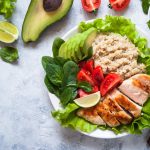
| Lean Protein | The most satiating macronutrient. It helps preserve muscle mass while you’re in a deficit, so you lose fat, not muscle. | Chicken breast, fish, Greek yogurt, tofu, lentils, eggs, protein powder. |
| Fiber | Slows digestion, keeps you feeling full longer, and stabilizes blood sugar to prevent energy crashes and cravings. | Vegetables (broccoli, spinach), fruits (berries, apples), whole grains (oats, quinoa), beans. |
| Healthy Fats | Crucial for hormone function and vitamin absorption. A little goes a long way in promoting fullness. | Avocado, nuts, seeds, olive oil. |
| A Simple Rule: Aim to have a source of lean protein and a large serving of fibrous vegetables at every meal. |
Step 3: Move with Purpose (It’s Not Just About Cardio)
Exercise accelerates fat loss by burning calories and, more importantly, by building and retaining muscle.
- Resistance Training (2-4 times per week): This is your top priority. Lifting weights or doing bodyweight exercises (squats, push-ups) tells your body to hold onto precious muscle while it burns fat for energy. More muscle also means a higher resting metabolism.
- Cardiovascular Exercise (2-3 times per week): Activities like brisk walking, cycling, or running help increase your weekly calorie deficit. A mix of steady-state cardio and High-Intensity Interval Training (HIIT) is effective.
- NEAT (Non-Exercise Activity Thermogenesis): This is the energy you burn from daily activities that aren’t formal exercise. Take the stairs, park farther away, walk while on the phone. This can add up to hundreds of calories burned per day.
Quick Answers to Common Questions
Here are some rapid-fire answers to frequent hurdles and misconceptions about losing 20 pounds of fat.
Q: The scale isn’t moving, but my clothes feel looser. What’s happening?
This is likely body recomposition. You are losing fat (which is bulky) and gaining denser muscle. This is a huge win! Muscle takes up less space, so you look leaner even if your weight stays stable. Ditch the scale for a week and rely on progress photos and a measuring tape for your waist, hips, and thighs.
Q: How can I speed up losing 20 pounds of fat?
While it’s tempting, a very aggressive calorie deficit (more than 1,000 calories below maintenance) can backfire. It often leads to muscle loss, a tanked metabolism, nutrient deficiencies, and burnout. The “slow and steady” approach of 1-2 pounds per week is the one that almost always wins in the long run.
Q: Do I have to give up carbs or my favorite foods?
Absolutely not. A sustainable plan includes foods you enjoy. Use the 80/20 rule: 80% of your calories come from whole, nutrient-dense foods, and 20% can be reserved for treats. This flexibility prevents the binge-restrict cycle that derails so many people.
Q: Is it just about diet and exercise?
No. Stress and sleep are huge factors. Chronic stress elevates cortisol, a hormone that promotes belly fat storage and increases cravings for junk food. Poor sleep (less than 7 hours) disrupts hunger hormones, making you feel hungrier and less satisfied after meals. Prioritize a consistent sleep schedule and find healthy ways to manage stress, like walking, meditation, or journaling.
Your First Move
Feeling overwhelmed? Don’t be. You don’t have to overhaul your entire life overnight. Instead, focus on making a few high-impact changes this week.
- Track Your Food for Three Days: Just observe, without judgment. Where are the extra calories coming from? Liquid calories? Late-night snacking? Awareness is the first step.
- Add a Protein Source to Every Meal: If your breakfast is just toast, add two eggs. If your lunch is a salad, add a can of tuna or a grilled chicken breast. Notice how much fuller you feel.
- Schedule Two 30-Minute Workouts: Put them in your calendar like a doctor’s appointment. One could be a brisk walk, the other a full-body strength routine using bodyweight or dumbbells.
Tackling a goal like losing 20 pounds of fat isn’t about a punishing 10-week sprint; it’s about building a system of small, intelligent habits that you can sustain for a lifetime. The visual transformation is the reward, but the improvements in your energy, confidence, and long-term health are the real prize.

Through this website, I share simple, science-backed tips for low impact health whether it's gentle fitness routines, stress-free wellness habits, or eco-friendly lifestyle changes. My goal is to make healthy living more accessible, sustainable, and kind to both our bodies.
- Healthy Eating Habits to Fuel Your Body for Lasting Vitality - May 9, 2026
- Inspirational Health Related Sayings for Your Best Self - May 8, 2026
- Healthy Mind Quotes for Cultivating Peace and Mental Strength - May 7, 2026