Want to feel amazing and help save the planet at the same time? This guide shows you how a whole-food, plant-based (WFPB) diet can do just that. It’s not just about salads; we’ll explore the delicious and surprisingly easy ways to eat more plants and reap the benefits – from sustained energy, improved digestion, and reduced risk of chronic diseases to a smaller carbon footprint and support for environmental sustainability. We’ll break down the WFPB pyramid, offer expert advice on meal planning, and give you practical tips for shopping and cooking, so you can make this lifestyle change stick. For healthy snack ideas, check out these WFPB snacks. Get ready to discover a healthier, happier you—and a healthier planet, too!
Whole Food Plant Based Diet Pyramid: Your Guide to Sustainable Health
Let’s explore the whole food plant-based (WFPB) diet pyramid—a comprehensive and actionable guide to help you make informed dietary choices that not only enhance your well-being but also contribute to a more sustainable future. It’s more than just a diet; it’s a lifestyle change that benefits you and the environment. Ready to embark on this exciting journey toward sustainable eating and optimal well-being?
Understanding the Whole Food Plant-Based Diet Pyramid
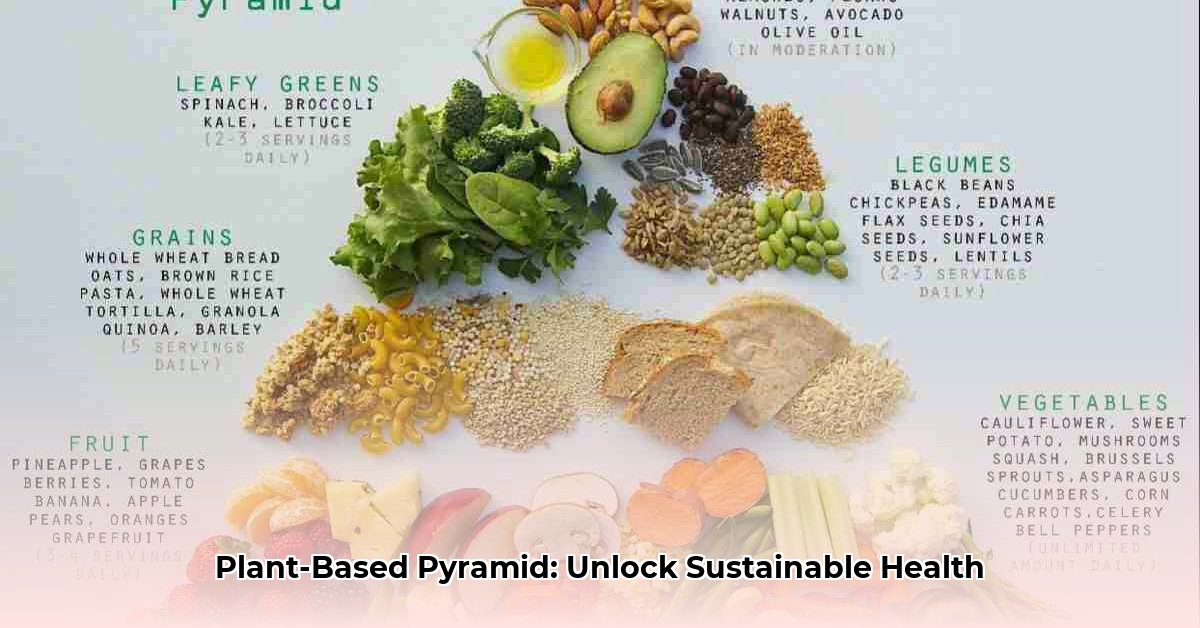
Imagine a pyramid, representing your daily food intake. The base, the largest part, is overflowing with a vibrant array of fruits and vegetables. This isn’t just about pretty colors; it’s about packing your plate with nature’s best vitamins, minerals, and disease-fighting antioxidants. These are the building blocks for a strong, healthy body. Aim to fill at least half your plate with these colorful offerings. Prioritizing fresh, whole produce is paramount for a well-rounded diet.
Above the fruits and vegetables, we find whole grains – think brown rice, quinoa, oats, barley, and even ancient grains like farro and spelt. These provide sustained energy and fiber, crucial for a healthy gut and overall well-being. They’re the slow-burning fuel that keeps you energized throughout the day, preventing energy crashes and promoting stable blood sugar levels. Opting for whole grains improves digestion and supports long-term energy levels.
Next up are legumes – your lentils, beans (black, kidney, pinto, and more), chickpeas, and peas. These protein powerhouses are not only fantastic for building and repairing tissues, but they’re also incredibly planet-friendly, requiring less water and land than animal-based protein sources. These are essential for those seeking plant-based iron and protein sources, and they offer a diverse range of flavors and textures to enhance any meal.
Finally, at the very top, are nuts and seeds – including almonds, walnuts, chia seeds, flaxseeds, and sunflower seeds. These are calorie-dense, so we use them sparingly. However, they’re rich in healthy fats, essential nutrients, and antioxidants. The WFPB pyramid emphasizes variety and balance, ensuring you get a wide spectrum of nutrients from diverse sources. A judicious addition of these can provide omega-3 fatty acids, vitamin E, and other vital micronutrients. Be mindful of portion sizes to maximize their benefits without excessive calorie intake.
A Closer Look at the Pyramid’s Structure:
To clarify the proportions, let’s visualize the pyramid in a more structured way, including specific examples and recommended serving sizes:
| Food Group | Proportion in Diet | Example Servings | Rationale |
|---|---|---|---|
| Fruits & Vegetables | Largest Portion | 2-3 cups of leafy greens, 1 medium apple, 1 cup of berries, ½ cup cooked broccoli. Aim for at least 5 servings total daily. | Highest nutrient density, rich in vitamins, minerals, and antioxidants. Fiber-rich, promoting satiety and digestive health. |
| Whole Grains | Substantial Portion | ½ cup cooked brown rice, 1 slice whole-wheat bread, ½ cup cooked oatmeal. Aim for 3-5 servings total daily. | Provide sustained energy, fiber for digestion, and essential nutrients like B vitamins and magnesium. Help regulate blood sugar and contribute to feelings of fullness. |
| Legumes | Moderate Portion | ½ cup cooked lentils, ½ cup chickpeas, 1 cup edamame. Aim for 1-2 servings total daily. | Excellent source of plant-based protein, fiber, and essential nutrients like iron and folate. Environmentally friendly and contribute to gut health. |
| Nuts & Seeds | Smallest Portion | ¼ cup almonds, 2 tablespoons chia seeds, 1 tablespoon flaxseed meal. Aim for 1-2 small servings daily. | Calorie-dense, but rich in healthy fats (omega-3s, omega-6s), vitamin E, and essential minerals. Use in moderation to support heart health and overall well-being. |
Health Benefits: Feeling Fantastic from the Inside Out
The benefits of a WFPB diet extend far beyond weight management. Numerous studies suggest a reduced risk of chronic diseases like heart disease, type 2 diabetes, certain cancers, and even some neurodegenerative conditions (conditions affecting the brain, spinal cord, and nerves). Think clearer skin, more energy, improved sleep, better mental clarity, and a greater sense of overall well-being. These are not just promises, but outcomes reported by many who have adopted this diet. Individuals report lowered cholesterol and blood pressure.
It’s important to remember that individual responses may vary, and ongoing research continues to refine our understanding of the complex relationship between diet and health. Did you know that studies indicate a significant reduction in heart disease risk with adherence to a WFPB diet, often cited around 20-30%, but some studies show even greater risk reductions depending on adherence and other lifestyle factors such as exercise?
Environmental Impact: A Deliciously Sustainable Choice
Our food choices have a profound impact on the planet. Animal agriculture contributes significantly to greenhouse gas emissions, deforestation, and water depletion. By choosing plant-based meals, you’re directly reducing your carbon footprint and supporting a healthier environment. You’re conserving precious water resources, reducing land degradation, and promoting biodiversity. Shifting towards the WFPB diet is a simple yet powerful act with far-reaching, positive global consequences. It reduces methane emissions, lowers the demand for land clearing for grazing, and minimizes fertilizer runoff into waterways.
Practical Steps: Making the Transition Smooth and Enjoyable
Adopting a WFPB diet doesn’t require a drastic overnight overhaul. Take it one step at a time. Here’s a roadmap for a successful transition; remember to be patient and adaptable:
Step 1: Smart Shopping: Prioritize seasonal, locally grown produce whenever possible. Farmers’ markets and local farms are great places to find fresh, flavorful ingredients, reduce your carbon footprint, and support your local economy. Explore diverse options; don’t limit yourself to what’s familiar. Try a new fruit or vegetable each week to expand your palate and discover new favorites.
Step 2: Meal Planning Magic: A little planning goes a long way. Spend some time each week planning your meals, creating a shopping list, and prepping ingredients. Prepare some meals in advance, like batch-cooking grains, beans, or soups. This helps you stay on track and prevents impulsive, unhealthy choices. Experiment with recipes and find what you love. Resources abound online for WFPB recipes. Meal prepping has a high success rate in sustaining dietary changes, largely because it reduces the cognitive load and time constraints associated with daily meal decisions.
Step 3: Embrace the Rainbow: The more variety you include, the broader range of nutrients you’ll consume. Try different fruits, vegetables, grains, and legumes to prevent boredom and ensure complete nutrition. Incorporate foods from all colors of the rainbow: red tomatoes, orange carrots, yellow bell peppers, green spinach, blue blueberries, and purple eggplant.
Step 4: Addressing Potential Challenges: Some individuals may need to supplement vitamin B12, as it’s not readily found in plant-based foods. Consult your doctor or a registered dietitian (a healthcare professional specializing in food and nutrition) to personalize your approach and address any specific concerns. Also, be mindful of iron, calcium, and omega-3 fatty acid intake, and consider supplementation or fortified foods if necessary.
Step 5: Start Small, Dream Big: Don’t try to eliminate all animal products overnight. Start by incorporating more plant-based meals each week. Gradually increase your intake of fruits, vegetables, and legumes. Celebrate your progress along the way. Focus on adding healthy plant-based foods rather than restricting yourself.
Sustainable Farming Practices: Support the Earth, Support Your Health
Support farmers committed to sustainable agriculture. Organic farming practices reduce pesticide use, conserve water, and improve soil health. By choosing organic produce when possible, you’re supporting environmentally responsible farming practices. Consider Community Supported Agriculture (CSA) programs for direct farm access and a connection to your local food system. Look for certifications like USDA Organic or Demeter to ensure sustainable practices.
Advocacy and Policy: Your Voice Matters
Become an advocate for sustainable agriculture. Support policies that promote equitable food access and encourage environmentally conscious farming methods. Your choices, along with your voice, collectively contribute to a better future for our planet. Support local farms and advocate for better food labeling policies, increased funding for sustainable agriculture research, and policies that incentivize plant-based food production.
Conclusion: A Holistic Approach to

Through this website, I share simple, science-backed tips for low impact health whether it's gentle fitness routines, stress-free wellness habits, or eco-friendly lifestyle changes. My goal is to make healthy living more accessible, sustainable, and kind to both our bodies.
- Healthy Eating Habits to Fuel Your Body for Lasting Vitality - May 9, 2026
- Inspirational Health Related Sayings for Your Best Self - May 8, 2026
- Healthy Mind Quotes for Cultivating Peace and Mental Strength - May 7, 2026