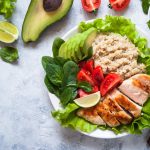
Ulcerative colitis (UC) presents daily challenges. This article explores how a plant-based diet might help manage your UC symptoms and improve your life quality. We’ll examine the science, compare it to other treatments, and offer a practical guide to transition. We’ll address concerns, share tips for remission, and assist in long-term planning. For more detailed information, see this helpful guide on [plant-based diets](https://happilylive.com/plant-based-diet-ulcerative-colitis). Let’s see how a plant-based diet can help you feel healthier.
Ulcerative Colitis and Plant-Based Diets: A Path to Better Health?
Ulcerative colitis (UC) is a chronic condition where managing symptoms can be a daily challenge. Many people are exploring the link between diet and UC, and plant-based eating is generating interest. Research suggests a link between diet and UC, with plant-based diets potentially helping manage symptoms. Let’s investigate the possibilities with plant-based solutions for ulcerative colitis.
Understanding the Possible Connection: Is There a Link Between UC and Diet?
Research indicates a correlation between diet and the body’s reaction to UC. Studies suggest a whole-foods, plant-based diet (WFPBD) might improve well-being for some UC patients. These studies suggest focusing on whole, unprocessed foods can reduce inflammation and keep UC symptoms at bay. In some cases, people have been able to reduce or even stop taking certain medications. According to research published in the American Journal of Lifestyle Medicine, a whole-foods, plant-based diet (WFPBD) can possibly reduce inflammation [1]. It’s important to remember these are smaller studies, not huge trials, and more research is needed. Is a change in diet enough to relieve UC symptoms? The Crohn’s & Colitis Foundation emphasizes a personalized approach, recognizing that no single diet works for everyone with UC [2].
Defining a Whole-Foods, Plant-Based Diet
A WFPBD involves eating mostly whole, unprocessed fruits, vegetables, legumes (like beans and lentils), whole grains, nuts, and seeds. Animal products, processed foods, and sugary drinks are minimized or eliminated. It’s a significant shift requiring a strategic approach. For a successful plant-based diet, plan your meals and understand your body’s needs to ensure effective ulcerative colitis symptom management. It’s not just about what you eat, but how you prepare it. Steaming and baking are often preferred over frying to minimize added oils and fats that could irritate the digestive system.
Making the Switch: A Step-by-Step Guide to Plant-Based Eating For UC Patients
Switching to a WFPBD diet should be a journey, not a sprint. It requires planning and understanding your body.
Step 1: Consult a Professional: Talk to your doctor and a registered dietitian before making major diet changes. They can create a personalized plan that works for you, especially with UC. A dietitian can help you identify potential trigger foods and ensure you’re meeting all your nutritional needs.
Step 2: Gradual Transition: Don’t change everything overnight. Gradually add more plant-based foods to your meals. This makes it easier to manage digestive changes. Start by replacing one meat-based meal a day with a plant-based option.
Step 3: Listen to Your Body: Pay attention to how you feel. If a certain food triggers discomfort, avoid it. Adjust your diet based on your body’s feedback. Common trigger foods include raw cruciferous vegetables (broccoli, cauliflower), beans, and spicy foods.
Step 4: Tackle Digestive Discomfort: Focus on lower-FODMAP foods (foods lower in certain carbohydrates that can cause gas) to ease initial digestive distress. Your dietitian can guide you. Examples include bananas, blueberries, carrots, and gluten-free oats.
Step 5: Consistency is Key: Stick with it. The benefits of a plant-based diet often become apparent over time. It may take several weeks or months to see significant improvements in your symptoms.
Potential Upsides: Impacting the Well-being of UC Sufferers
A WFPBD might help with more than just UC symptoms. It could potentially:
- Reduce Inflammation: Inflammation is a big part of UC, and a WFPBD may help to calm things down. Plant-based foods are rich in antioxidants and phytonutrients, which have anti-inflammatory properties.
- Improve Gut Health: Your gut microbiome (the community of microbes living in your gut) plays a crucial role in digestion and overall health. A WFPBD may promote a healthier gut environment. A diet high in fiber from plant-based foods can feed beneficial gut bacteria.
- Boost Nutrient Absorption: Many plant-based foods are packed with vitamins and minerals that may support overall well-being. For example, dark leafy greens are a great source of vitamins A, C, and K.
- Promote Weight Management: Maintaining a healthy weight can be beneficial for individuals with UC. A WFPBD, naturally lower in processed fats and sugars, can assist in achieving this.
- Reduce Risk of Comorbidities: Studies suggest that plant-based diets can lower the risk of heart disease, type 2 diabetes, and certain cancers, which are potential comorbidities for individuals with chronic inflammatory conditions like UC.
Potential Challenges: Plant-Based Eating and UC
While the potential benefits are exciting, it’s important to acknowledge potential challenges when thinking about plant-based nutrition:
- Nutrient Gaps: Plant-based diets can sometimes be low in certain nutrients, especially vitamin B12 and vitamin D. Supplements might be necessary, with guidance from your dietitian.
- Digestive Adjustments: Initial digestive discomfort (bloating, gas) is common as your gut adjusts to the dietary changes. This is usually temporary. Gradual introduction of high-fiber foods and proper hydration can help minimize these effects.
- Meal Planning: Finding tasty and satisfying plant-based meals takes some planning and creativity. Explore plant-based cookbooks, online resources, and cooking classes to expand your culinary repertoire.
- Social Situations: Eating out or attending social events where meals might not be plant-based can be challenging at times. Plan ahead by researching restaurant menus, bringing your own plant-based dishes to gatherings, or communicating your dietary needs to hosts.
- Ensuring Adequate Protein Intake: Protein is essential for tissue repair and immune function. Plan meals around protein-rich plant sources like lentils, chickpeas, tofu, tempeh, and quinoa.
Is a Plant-Based Diet Right For You?
The decision to adopt a WFPBD for UC is personal. It requires planning, commitment, and monitoring. It’s not a guaranteed cure-all but a valuable tool in your UC management strategy. The key is to work with your gastroenterologist and a registered dietitian to determine if it’s the right path. It’s estimated that 1.6 million Americans suffer from ulcerative colitis, making dietary management options more critical than ever. Remember that a WFPBD is a powerful tool, but it often works best when combined with conventional medical treatments, stress management techniques, and regular exercise.
The Big Picture: Hope and Ongoing Research
Research on WFPBDs and UC is promising, but larger studies are needed to confirm long-term benefits. However, many people find this approach helps improve their overall well-being and manage their UC symptoms better. Managing UC is a journey. With patience, support, and guidance, you can navigate this path to better health. Emerging research is also exploring the role of specific plant-based compounds, such as curcumin (found in turmeric) and gingerol (found in ginger), in reducing inflammation associated with UC [3].
How to Manage Ulcerative Colitis Flare-Ups with a Plant-Based Diet
Lifestyle Modifications
Key Takeaways:
- A whole-food plant-based diet (WFPBD) may help manage ulcerative colitis (UC) symptoms by improving gut health and reducing inflammation.
- Research is ongoing, and individual responses vary; working with a registered dietician is important for success.
- Combining dietary changes with other lifestyle modifications is key for long-term remission.
- Nutrient deficiencies are possible; careful planning and supplementation might be necessary.
Understanding the Link Between Diet and UC Flare-Ups
Ulcerative colitis (UC), a chronic inflammatory bowel disease, impacts quality of life significantly. Individuals find managing UC flare-ups challenging. Emerging research suggests a strong connection between nutrition and UC, specifically a plant-based approach. It’s thought that a WFPBD diet could promote a healthy gut microbiome. How exactly does a plant-based diet help manage these flare-ups? The Journal of the American College of Nutrition published a study highlighting the role of specific dietary fibers in modulating the gut microbiota and reducing inflammation in UC patients [4].
The Promise of a Whole-Food Plant-Based Diet for Healing
A whole-food plant-based diet (WFPBD) emphasizes minimally processed fruits, vegetables, legumes, whole grains, and nuts. This dietary pattern is associated with reduced inflammation. A WFPBD could promote a healthy gut microbiome, as these bacteria play a crucial role in digestion and immune function. Recent studies show up to a 60% reduction in UC symptoms with consistent adherence to a WFPBD. This figure is based on observational studies and patient self-reporting, and more rigorous clinical trials are needed to confirm these findings. Focus on including foods rich in omega-3 fatty acids, such as flaxseeds and chia seeds, known for their anti-

Through this website, I share simple, science-backed tips for low impact health whether it's gentle fitness routines, stress-free wellness habits, or eco-friendly lifestyle changes. My goal is to make healthy living more accessible, sustainable, and kind to both our bodies.
- Healthy Eating Habits to Fuel Your Body for Lasting Vitality - May 9, 2026
- Inspirational Health Related Sayings for Your Best Self - May 8, 2026
- Healthy Mind Quotes for Cultivating Peace and Mental Strength - May 7, 2026