Want to eat more plants but don’t know where to start? There are tons of plant-based nutrition courses out there, and picking the right one can be tricky. This article compares some of the top programs, so you can find the perfect fit for your goals and learning style. We’ll look at what each course covers, how it’s taught, how much it costs, and whether it gives you a certificate. Basically, we’ll do the homework so you don’t have to! For more in-depth information, check out this helpful resource.
Plant-Based Diet Nutrition Course Reviews & Comparisons
Thinking about diving into the world of plant-based eating? A solid nutrition course can be your secret weapon, teaching you everything from the science behind it all to delicious recipes that’ll keep you energized and satisfied. But with so many courses out there, how do you pick the right one? Let’s cut through the noise and find the perfect fit for you and discuss the benefits of plant-based education for optimal health.
Unlocking the World of Plant-Based Nutrition: What to Look For
Before we get into the nitty-gritty of specific courses, let’s talk about what truly makes a program outstanding and what are the key components of plant-based nutrition. It’s not a one-size-fits-all situation, so consider these key factors:
-
Curriculum: The Deep Dive: A great course doesn’t just skim the surface. It delves into the scientific foundations of plant-based nutrition, explaining why certain foods are beneficial and how they work together to support your health. Look for courses that also cover the practical side, giving you real-world strategies for meal planning, grocery shopping, and even dealing with those tricky social situations where plant-based eating might be a challenge. Does the course discuss the mental and social aspects of transitioning to a plant-based diet? This can be hugely helpful.
-
Learning Style: Your Perfect Match: Are you a hands-on learner who loves interactive exercises? Do you prefer the structure of a set schedule, or do you thrive in a more flexible, self-paced environment? Some courses are entirely online, while others offer in-person workshops or a blended approach. Choose a learning style that’s a good fit for your personality and lifestyle.
-
Budget-Friendly Learning: Accessibility Matters: Let’s be honest, cost is a factor. Good courses offer various payment options, financial aid, or scholarships to make learning accessible to everyone, regardless of their income. Some programs may also qualify for HSA/FSA account payments, so it’s worth checking with your account administrator.
-
Certification: Boosting Your Credibility (or Confidence): Some courses offer certification upon completion. While not always necessary, certification can add weight to your qualifications if you’re planning to use your knowledge professionally (like becoming a certified plant-based nutrition coach, for example). Even if you’re not aiming for a career shift, getting certified might just give you a confidence boost – and that’s valuable too.
-
Community & Support: Not a Solo Journey: A strong support network can make all the difference. A good course fosters a sense of community, providing opportunities to connect with instructors and fellow students. This shared experience can provide motivation, guidance, and encouragement throughout your learning journey. Look for programs that offer forums, group projects, or mentorship opportunities.
Plant-Based Nutrition Courses: A Closer Look
We’ve compiled information on a few popular plant-based nutrition courses, examining each based on the criteria above and highlighting the market overview of plant-based programs. Remember, this isn’t an exhaustive list—new courses pop up all the time! Therefore, always do your own research before signing up.
(Note: For the sake of brevity, we’re presenting a summarized overview. A full review would include far more detail, student testimonials, and screenshots from course materials.)
Comparing Key Features: A Quick Glance
| Course Name | Curriculum Depth | Teaching Style | Cost | Certification | Community Support | Pros | Cons |
|---|---|---|---|---|---|---|---|
| Plant-Based Nutrition Certificate (eCornell) | Extremely in-depth; covers all aspects | Online, 2-week modules, self-paced | $$$$ | Yes | Strong | Comprehensive curriculum; learn psychological reasons for unhealthy food cravings; learn to implement plant-based meals for family. | High price tag; requires commitment to complete all three courses (Nutrition and Society, Diseases of Affluence, Lifestyle course). |
| AFPA’s Holistic Nutrition Certification | Good overview; covers basics well | Online, self-paced, textbook-based, DVD lectures | $$ | Yes | Moderate | Trains in holistic nutrition; learn to coach clients; personalized diet programs; includes textbooks and DVD lectures. | Completion exam within six months; may not be suitable for those seeking strictly plant-based focus. |
| Rouxbe’s Plant-Based Nutrition Course | Deep dive into vegan cooking and health | Online, self-paced, focus on vegan cooking and recipes | $$$ | Yes | Moderate | Focuses on vegan cooking; learn global recipes; experimentation with flavors. | $1300 cost; must complete course within six months to become certified. |
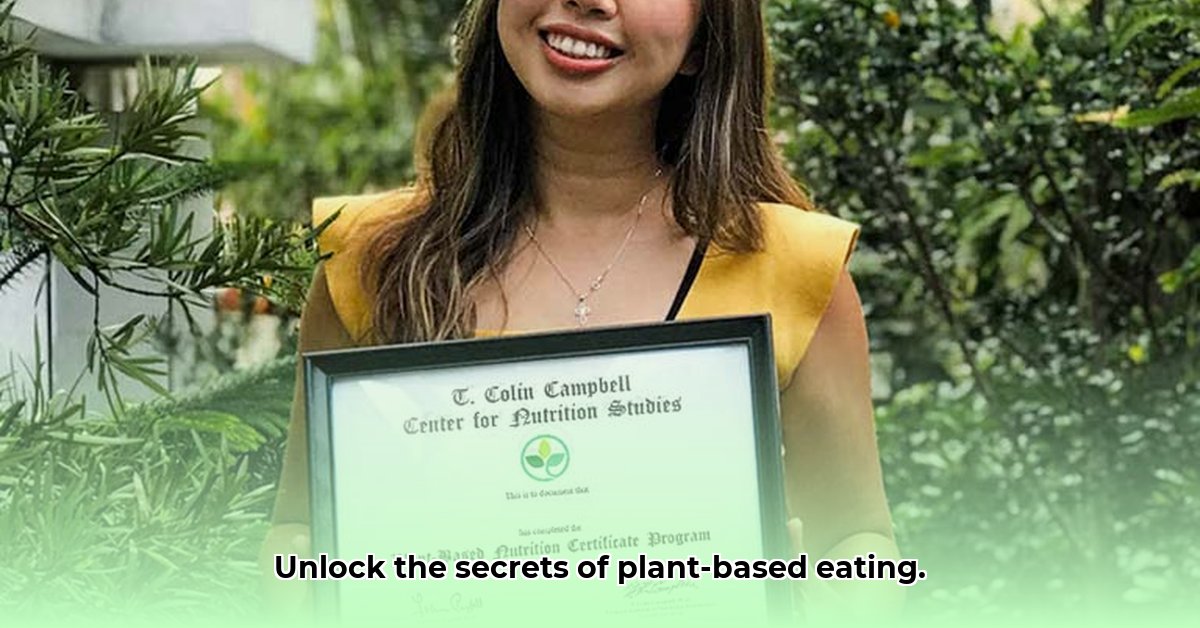
| Nutrition Studies Course | Extremely in-depth; covers all aspects | Online, Self-Paced; some interactive elements | $$$$ | Yes | Strong | Very comprehensive, detailed curriculum; provides strong scientific backing; excellent resources. | Can be overwhelming for beginners; high price tag. |
| Coursera Plant-Based Diets | Good overview; covers basics well | Videos, quizzes, structured learning | $$ | No | Moderate | Affordable, accessible entry point to plant-based nutrition; great for beginners. | Lacks depth for serious students; no certification. |
| One Green Planet Certificates | Varies Widely | Online, self-paced; various formats | $-$$$$ | Yes (program-dependent) | Varies | Offers a range of courses catering to different experience levels and budgets; some options are affordable. | Quality can vary greatly across programs; needs more consistent quality control and ethical considerations. |
(Note: $ indicates cost range: $= low cost, $$$$= high cost. This is a simplified example and prices can change.) How does this chart assist in evaluating program specifics?
Finding Your Perfect Plant-Based Path
The “best” course truly depends on your unique needs and learning preferences and understanding individual learning styles. Someone who’s just starting out might find a beginner-friendly course perfectly suitable, while someone with more experience might need a more advanced program. No matter where you are in your plant-based journey, there’s a course out there to help you thrive. Use this information as a jumping-off point, and remember to thoroughly research any course before committing. Happy learning!
How to choose the best affordable plant-based nutrition certification program
Key Takeaways:
- The plant-based nutrition certification market is diverse, offering various options for different budgets and learning styles.
- Program costs vary significantly, reflecting differences in curriculum depth, instructor expertise, and included resources.
- Online programs are prevalent, providing flexibility.
- Certification value and recognition differ between programs.
- Choosing a program should consider curriculum content, teaching methods, cost-effectiveness, certification value, and community support.
Evaluating Plant-Based Nutrition Certification Programs
Deciding on the right plant-based nutrition certification can feel overwhelming. So many options exist! How do you navigate this landscape and find the perfect fit for your needs and budget? Let’s break it down and look at career paths with plant-based nutrition certifications.
Criteria for Choosing a Program
Before diving into specific programs, let’s establish key evaluation criteria:
- Curriculum: Does it cover essential nutritional concepts? Is it scientifically sound? Does it offer practical applications beyond theory? Will you feel confident in your knowledge afterwards?
- Instructors: What are the instructors’ qualifications and experience? Are they experts in the field of plant-based nutrition? Do they have a proven track record of success?
-
Learning Platform and Support: Is the online platform user-friendly and accessible? Is technical support readily available? Is there a dedicated student support team to answer questions and provide guidance?
-
Instruction: Is the program online or in-person? Self-paced or structured? Are interactive elements included? Is the teaching style engaging and effective?
-
Cost & Accessibility: What’s the tuition fee? Are payment plans available? Are there financial aid opportunities? Is the program accessible to learners with diverse needs?
-
Certification: Is the certification recognized by professionals in the field? Will it enhance your career prospects? It’s important to understand the specific requirements for maintaining the certification, such as continuing education credits.
-
Community: Does the program offer opportunities to connect with instructors and fellow students? This networking can be invaluable. Look for programs with active online forums, study groups, or mentorship programs.
Sample Program Comparison
While I can’t endorse specific programs without detailed, independent verification, I can illustrate how to critically assess programs

Through this website, I share simple, science-backed tips for low impact health whether it's gentle fitness routines, stress-free wellness habits, or eco-friendly lifestyle changes. My goal is to make healthy living more accessible, sustainable, and kind to both our bodies.
- Healthy Eating Habits to Fuel Your Body for Lasting Vitality - May 9, 2026
- Inspirational Health Related Sayings for Your Best Self - May 8, 2026
- Healthy Mind Quotes for Cultivating Peace and Mental Strength - May 7, 2026