Want to know more about how what you eat might affect your risk of breast cancer? This article takes a close look at the science behind plant-based diets and their possible link to breast cancer. We’ll explore what the research shows, both the good and the not-so-clear parts, offering practical tips. For more on diet and overall health, see this helpful resource on plant-based diets.
Plant-Based Diet and Breast Cancer: An Overview
Let’s dive into plant-based diets and breast cancer – a topic with lots of exciting research, but also some unanswered questions. It’s not a simple “eat plants, beat cancer” situation, so let’s clarify what we know regarding dietary choices and breast cancer prevention.
Understanding the Different Types of Plant-Based Diets for Disease Prevention
First, it’s crucial to understand that “plant-based” isn’t a one-size-fits-all term. Think of it like this: a diet packed with fruits, veggies, whole grains, and beans – that’s a healthful plant-based diet (hPD). On the other hand, a diet filled with processed veggie burgers, sugary snacks, and potato chips (even if they’re technically plant-based) might not be so beneficial. We’ll refer to this as an unhealthful plant-based diet (uPD). The difference is huge when we consider how they might affect breast cancer. A healthful plant-based diet emphasizes whole, unprocessed foods, while an unhealthful one can be heavy in refined grains, sugars, and unhealthy fats.
What the Research Says: Connecting Plant-Based Diets and Breast Cancer Outcomes
Many studies are exploring the connection between diet and breast cancer outcomes. Some research suggests that a hPD might be associated with better overall health among breast cancer survivors, potentially leading to fewer deaths from other causes. This is good news! But the effects on breast cancer itself – things like whether it comes back or how long someone lives – are still a bit unclear. Different studies have found different things, making it tricky to draw definitive conclusions.
This lack of complete agreement among studies might be because of several factors. How big the study was, how long people were followed, other health conditions people had, and how well people actually stuck to their diets all play a part in the results. Further research is needed to determine the specific impact of plant-based diets on breast cancer outcomes.
The Role of Metabolic Health in Cancer Prevention
One thing we do see consistently in studies is that a hPD often improves several important health markers. People often lose weight, have better cholesterol levels, and see lower levels of IGF-1 (Insulin-like Growth Factor 1: a hormone that’s linked to cancer growth). These improvements are even seen in diets that aren’t strictly vegan or vegetarian, highlighting the benefits of generally healthy eating. It’s important to remember, though, that these are just associations, not a direct cause-and-effect relationship. These metabolic improvements may contribute to a reduced risk of cancer development and progression.
The Complicated Truth About Breast Cancer Recurrence and Survival Rates
Here’s where things get more complex. Some studies hint at a potential, albeit small, positive effect of a hPD on whether breast cancer comes back and how long someone lives. However, many other studies haven’t shown a significant link. For now, the evidence isn’t strong enough for us to say for certain that a hPD directly improves these aspects of breast cancer. We need more research in this area. More long-term studies are needed to fully understand the picture. It’s crucial to consider that breast cancer is a complex disease influenced by numerous factors beyond diet alone.
Practical Steps for Women Facing Breast Cancer Treatments
If you’re dealing with breast cancer, a healthy diet can be a valuable part of your overall care plan. Here’s how to approach it thoughtfully:
- Talk to Your Doctor: Before making any big dietary changes, especially if you’re undergoing treatment, speak with your doctor or oncologist. They can provide personalized advice and ensure your diet complements your medical plan.
- Gradual Changes: Don’t try to overhaul your diet overnight. Start by slowly adding more whole plant foods to your meals. Small, sustainable changes are more likely to stick.
- Reduce Processed Foods and Added Sugars: Minimize processed foods, sugary drinks, and snacks. Focus on whole, unprocessed foods whenever possible.
- Seek Professional Guidance: Consider consulting a registered dietitian. They can tailor a meal plan specifically for your needs and health goals. A registered dietitian can provide personalized guidance based on your individual needs and medical history.
- Focus on Fiber: Incorporate high-fiber foods such as beans, lentils, and whole grains to support healthy digestion and blood sugar levels.
- Stay Hydrated: Drink plenty of water throughout the day to support overall health and well-being.
The Importance of Continued Research and Healthcare Provider Education
To get a clearer picture of the relationship between plant-based diets and breast cancer, we need more high-quality research. Larger, longer studies are crucial to better understand the long-term effects. We also need studies that look at how diet might work with other cancer treatments. This includes exploring the often-overlooked role of the gut microbiome (the community of bacteria in your intestines) and its potential impact on cancer development and treatment response. Healthcare providers also need to stay updated on the latest research regarding diet and cancer to provide evidence-based recommendations to their patients.
Looking Ahead: The Future of Plant-Based Diet and Breast Cancer Research
The interaction between our diet and breast cancer is incredibly complex. While it’s encouraging that a healthful plant-based diet may have some positive benefits, the current evidence isn’t definitive enough to make sweeping statements. More research is essential to confirm these initial observations and to fully understand the mechanisms at play. Remember, it’s always best to trust sound medical advice over online information alone. Talk to your doctor and healthcare team for personalized guidance. They can help you create a healthy diet plan that best suits you and your needs. Future research should investigate the impact of plant-based diets on specific subtypes of breast cancer and explore the potential synergistic effects of combining dietary interventions with conventional cancer treatments.
How to Choose a Healthful Plant-Based Diet for Breast Cancer Prevention
Choosing a healthful plant-based diet involves focusing on whole, unprocessed foods.
Key Takeaways:
- A healthful plant-based diet (hPDI) shows promise in reducing overall mortality, especially from causes other than breast cancer, particularly in postmenopausal women.
- The type of plant foods is crucial; an unhealthful plant-based diet (uPDI) might even increase the risk of death from causes other than breast cancer.
- The effect of plant-based diets on breast cancer recurrence and death directly from breast cancer remains unclear. More research is needed.
- Plant-based diets often help manage health problems common among breast cancer patients, like diabetes and heart disease.
- Choosing how to choose a healthful plant-based diet for breast cancer prevention involves focusing on whole, unprocessed foods.
Understanding the Nuances of Plant-Based Eating for Optimal Health
Let’s be clear: not all plant-based diets are created equal. Some are truly healthful, while others are surprisingly unhealthy. Think about it – a diet filled with sugary sodas and potato chips, even if it’s completely vegan, isn’t going to offer the same benefits as one packed with colorful fruits, vegetables, and whole grains. That’s why differentiating between a healthful (hPDI) and an unhealthful plant-based diet (uPDI) is so important. The key lies in prioritizing nutrient-dense, whole foods over processed and refined options.
This distinction is key when considering its role in breast cancer prevention. While some studies hint at a possible protective effect of a hPDI on breast cancer risk, the results are far from definitive, and this requires further investigation. It’s essential to focus on the overall quality of the diet rather than simply adhering to a plant-based label.
What Makes a Plant-Based Diet “Healthful” for Cancer Prevention?
So, how to choose a healthful plant-based diet for breast cancer prevention? It’s about prioritizing nutrient-rich, whole foods. Here’s what to emphasize:
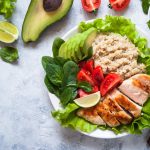
- Fruits and Vegetables: Aim for a rainbow of colors! Different colors mean different nutrients.
- Whole Grains: Choose brown rice, quinoa, oats, and whole-wheat bread over refined grains.
- Legumes: Beans, lentils, and chickpeas are excellent sources of protein and fiber.
- Nuts and Seeds: These provide healthy fats and essential nutrients.
- Healthy Fats: Incorporate sources of healthy fats such as avocados, olive oil, and nuts.
Conversely, limit or avoid:
- Processed Foods: Even vegan processed foods can be high in unhealthy fats, sodium, and added sugars.
- Refined Grains: White bread, pasta, and pastries offer little nutritional value.
- Sugary Drinks: These add empty calories and can contribute to weight gain.
- Excessive Potatoes: While potatoes are a plant, they’re higher in starch than many other vegetables. Limit your intake and opt for sweet potatoes instead.
- Added Sugars: Minimize your consumption of added sugars found in processed foods, desserts, and sugary beverages.
The Importance of Considering Overall Health and Well-being
Remember, diet

Through this website, I share simple, science-backed tips for low impact health whether it's gentle fitness routines, stress-free wellness habits, or eco-friendly lifestyle changes. My goal is to make healthy living more accessible, sustainable, and kind to both our bodies.
- Healthy Eating Habits to Fuel Your Body for Lasting Vitality - May 9, 2026
- Inspirational Health Related Sayings for Your Best Self - May 8, 2026
- Healthy Mind Quotes for Cultivating Peace and Mental Strength - May 7, 2026