Heartburn got you down? Thinking about going plant-based but worried about your acid reflux? You’re not alone! Lots of people wonder how a plant-based diet affects their GERD (gastroesophageal reflux disease). For more on diet and autoimmune disease, see this helpful resource: autoimmune diets. This guide will help you navigate that, showing you how to manage—and maybe even relieve—your heartburn while enjoying a plant-based lifestyle. We’ll break down which foods are good and bad, give you a plan to switch over gradually, share advice from nutrition experts, and show you what’s worked for others. It’s all about finding long-term relief so you can feel better and enjoy life more. Let’s get started!
Plant-Based Diet Acid Reflux: Your Path to a Happier Stomach
Heartburn got you down? That burning sensation after a meal can really put a damper on things. Many people find that switching to a plant-based diet can significantly ease their acid reflux, also known as GERD (gastroesophageal reflux disease). Let’s explore how this works and how you can make it happen by including some lifestyle changes.
Understanding the Link Between Your Food and Heartburn with Plant-Based Eating
Acid reflux happens when the stomach acid makes its way back up into your esophagus – the tube connecting your throat to your stomach. This backwash causes that familiar burning feeling. While medication can help, changing what you eat can make a huge difference. A plant-based diet, packed with fiber and generally lower in fat, often shows impressive results, which promotes relief for heartburn.
But why? Well, increased fiber helps your digestive system move things along smoothly, preventing that pressure buildup that can trigger reflux. Lower fat intake means your stomach empties faster, reducing the likelihood of acid splashing back up. Plus, many plant foods have anti-inflammatory properties, which can soothe the irritated esophagus. It’s like giving your digestive system a gentle hug!
Food Choices: What to Eat and What to Skip on A Plant-Based Diet
The key is choosing the right plant-powered foods. While most are beneficial, some can unfortunately trigger heartburn in certain individuals. Finding the right balance of nutrients is key when implementing a plant-based diet in your life.
Foods to Cheer for:
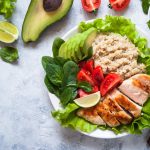
- High-fiber heroes: Think brown rice, oats, sweet potatoes, and leafy greens like spinach and kale. Also include non-citrus fruits such as bananas, melons, apples, and pears. These foods promote healthy digestion and keep things moving as they should.
- Lean protein champions: Focus on leaner protein sources like tofu, tempeh, lentils, and beans.
- Hydrating Options: Celery, lettuce, watermelon, and cucumber.
Foods to Limit or Step Away From:
- Acidic culprits: Citrus fruits (oranges, lemons, grapefruit), tomatoes, and pineapple can unfortunately irritate the esophagus for some people. This is highly individual; what triggers one person might not affect another.
- Spicy sensations: Spicy food can definitely make heartburn worse for many, so moderation is your friend here.
- Mint mischief: Mint can relax the muscle at the bottom of your esophagus (lower esophageal sphincter), which could potentially allow stomach acid to escape more easily.
- Caffeine caution: Caffeine can stimulate extra stomach acid production, which is not ideal if you’re already battling reflux.
- Alcohol awareness: Alcohol can also relax that crucial lower esophageal sphincter, making reflux more likely.
- High-Fat Foods: Fried and fast foods.
- Carbonated drinks: Soft drinks and sparkling water.
It’s important to note that everyone reacts differently. Keep a food diary! This way you can track down your personal triggers and adjust your diet accordingly. Think of it as a detective story where you’re solving the mystery of your heartburn.
Your Step-by-Step Guide to a Plant-Based, Reflux-Friendly Diet
Taking on a new diet shouldn’t feel like climbing a mountain! Here’s how to make a gradual and comfortable transition: It’s essential to take small steps towards the big goal.
- Doctor’s visit: Before making big changes, chat with your doctor. They can help you address any underlying health concerns and ensure this is the right approach for you.
- Slow and steady wins the race: Don’t go from zero to plant-based overnight. Gradually introduce plant-based meals, paying close attention to how your body feels.
- Whole foods are where it’s at: Base your meals around unprocessed whole foods: plenty of fruits, vegetables, whole grains, and legumes. These are your allies!
- Fiber boost: Gradually increase your fiber intake. Starting slowly is key to avoid digestive discomfort.
- Portion control: Smaller, more frequent meals are gentler on your digestive system.
- Hydration is key: Drinking plenty of water is crucial for healthy digestion. Water helps things move along smoothly.
- Listen to your body: Keep an eye on your heartburn symptoms. Notice any patterns and adjust your diet based on your personal experience.
- Elevate Your Head While Sleeping: This can decrease acidic reflux.
- Avoid Eating Before Sleeping: Allow at least three hours before lying down.
- Maintain a Healthy Weight: Weight loss can help decrease acid reflux.
- Exercise Regularly: But avoid intense exercise immediately after eating.
The Good, The Bad, and the Reflux-Friendly
Navigating a plant-based diet with acid reflux requires understanding potential pros and cons to consider for your health.
| Feature | Pros | Cons |
|---|---|---|
| Plant-Based Diet for Acid Reflux | * Potential for significant heartburn reduction * Improved overall health (lower risk of heart disease, type 2 diabetes, some cancers) * May help with weight management (which itself can reduce reflux) * Rich in fiber, promoting gut microbiota and protecting the esophagus * Anti-inflammatory properties | * Potential nutrient deficiencies (especially Vitamin B12, which requires supplementation for many vegans) * Individual results vary widely. What works for one person might not work for another. * Some plant-foods may still trigger reflux in certain individuals. |
Your Plant-Powered Journey: Long-Term Success
Remember, managing acid reflux with a plant-based diet is a unique journey for everyone. It takes time, patience, and self-awareness. Working closely with your doctor or a registered dietitian can help you craft a personalized plan that’s right for you and makes a real difference. The reward: improved digestion and better overall health – it’s worth the effort! And don’t forget, ongoing research is constantly refining our understanding of diet and acid reflux, so stay informed and keep exploring!
Best Plant-Based Diet Plan for GERD Symptom Relief
Key Takeaways:
- A plant-based diet can offer relief from GERD symptoms, but it’s not a guaranteed solution for everyone.
- The success depends heavily on what you eat, not just that you’re eating plants.
- High-fiber foods are your friends; high-fat vegan options, not so much.
- Careful planning and portion control are crucial.
- Consider working with a registered dietitian for personalized guidance.
Understanding GERD and Plant-Based Approaches
GERD, or gastroesophageal reflux disease, is a common digestive disorder. It happens when stomach acid flows back up into the esophagus, causing heartburn and other unpleasant symptoms. Many find relief through dietary changes. A well-planned best plant-based diet plan for gerd symptom relief can be a powerful tool and can have good benefits. But it’s not a one-size-fits-all solution. What works wonders for one person might worsen symptoms in another.
Why the variation? It all comes down to the specifics of the plant-based diet itself. Some plant-based foods are notorious GERD triggers.
Foods to Embrace (and Avoid!) on Your Plant-Based GERD Journey
Think of your diet as a team. You want to populate it with players who help, not hinder, your digestion. Making sure you are getting the proper nutrition is essential for the diet change.
The Good Guys:
- High-fiber foods: Oats, brown rice, beans, lentils, and whole grains fill you up and regulate digestion. They ease bowel movements, reducing pressure on the stomach. This can help prevent reflux.
- Leafy green vegetables: Spinach, kale, and other leafy greens are low in fat and high in essential nutrients.
- Non-citrus fruits: Bananas, apples, pears, and melons are gentle on the esophagus and provide essential vitamins and minerals.
- Root vegetables: Sweet potatoes, carrots, and beets are easy to digest and provide fiber and vitamins.
- Ginger: This spice has anti-inflammatory properties and can help soothe the digestive system.
The Troublemakers:
- High-fat vegan alternatives: Many processed vegan foods are high in fat, a common GERD trigger.
- Acidic fruits and vegetables: While

Through this website, I share simple, science-backed tips for low impact health whether it's gentle fitness routines, stress-free wellness habits, or eco-friendly lifestyle changes. My goal is to make healthy living more accessible, sustainable, and kind to both our bodies.
- Healthy Eating Habits to Fuel Your Body for Lasting Vitality - May 9, 2026
- Inspirational Health Related Sayings for Your Best Self - May 8, 2026
- Healthy Mind Quotes for Cultivating Peace and Mental Strength - May 7, 2026