It often starts subtly. Your favorite pair of jeans feels a little too snug. You have to use a different notch on your belt. You catch your reflection and notice a softness around your jawline that wasn’t there before. These are the quiet signals that often precede a more concrete number on the scale, a number that might surprise you. For many, that number is 20 lbs of fat—a significant milestone that feels both abstract and all too real.
But what does 20 pounds of fat actually mean? It’s more than just a number. It’s a volume of tissue that impacts how you look, how you feel, and how your body functions on a cellular level. Understanding its true size and effect is the first step toward deciding what you want to do about it.
At a Glance: The Reality of 20 Extra Pounds
Here’s the short-and-sweet breakdown of what carrying an extra 20 pounds of body fat entails:
- Visual Size: 20 lbs of fat takes up a surprising amount of space—roughly the size of a medium duffel bag or 12 full-sized wine bottles. It’s bulky and far less dense than muscle.
- Physical Impact: It can mean going up several clothing sizes, a noticeably rounder face, a thicker waist, and softer contours on your arms, hips, and thighs.
- Health Consequences: This isn’t just about looks. An extra 20 lbs significantly increases your risk for chronic conditions like type 2 diabetes, heart disease, high blood pressure, and even certain types of cancer.
- Losing It: A healthy, sustainable rate of fat loss is 1-2 pounds per week. This means losing 20 pounds of fat typically takes anywhere from 10 to 20 weeks of consistent effort.
- The Energy Equation: That 20 lbs of fat represents approximately 70,000 stored calories that your body hasn’t used. To lose it, you need to create a calorie deficit through a combination of diet and exercise.
The Unseen Bulk: Visualizing 20 Pounds of Fat
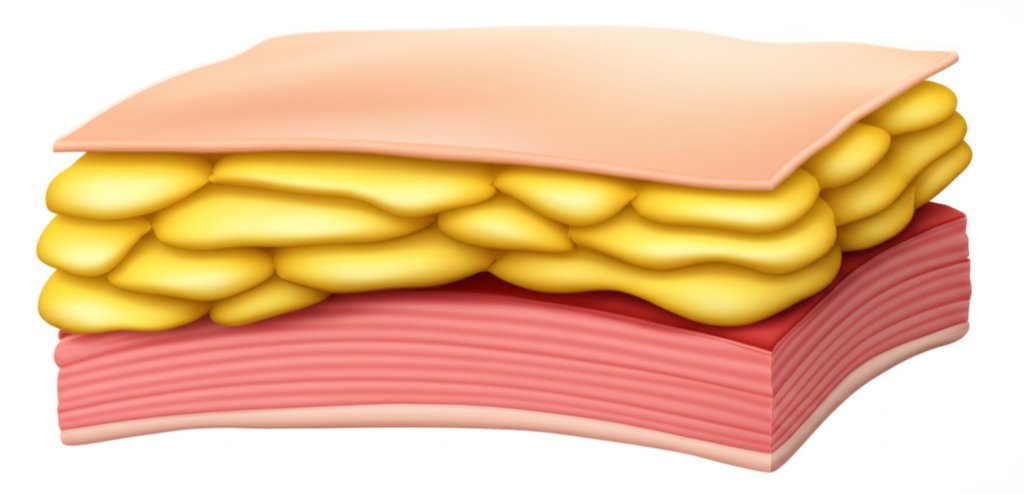
It’s one thing to see “+20” on a scale. It’s another thing entirely to understand the physical volume that number represents. Because fat is significantly less dense than muscle, it takes up much more space inside your body.
Think of it this way: five pounds of muscle is dense, tight, and roughly the size of a tangerine. Five pounds of fat, on the other hand, is lumpy, gelatinous, and closer to the size of a small volleyball. Now, multiply that by four.
The 20 pounds of fat distributed across your frame has a volume of about 4.5 gallons. Imagine a medium-sized duffel bag—that’s the approximate space it occupies. This is why gaining 20 pounds can feel so dramatic, drastically changing your silhouette and the way your clothes fit. The difference is substantial enough that you can see 20 pounds of fat in models and visual comparisons, and the effect is often shocking.
This fat-to-muscle density difference is also why two people who weigh the exact same can look completely different. A 160-pound person with high muscle mass will look much leaner and more toned than a 160-pound person with a higher body fat percentage.
How 20 Extra Pounds Can Reshape Your Body

When you gain 20 pounds of fat, it doesn’t just spread out evenly like a coat of paint. Your body has preferred storage locations, determined by a mix of genetics, hormones, and sex.
- For Men: Fat accumulation is often most prominent in the abdominal area. This is the classic “beer belly” or visceral fat, which gathers around your internal organs. It leads to a larger waist circumference and a firmer, more protuberant stomach.
- For Women: Hormones like estrogen tend to direct fat storage to the hips, thighs, and buttocks, a pattern known as gynoid fat distribution. This is a biological predisposition to support childbearing. Of course, women can also gain fat in their abdomen, especially after menopause when estrogen levels decline.
Beyond these general patterns, here are the common physical signs that 20 extra pounds of fat has settled in: - A Softer Jawline and Fuller Face: Fat can accumulate in the face and neck, leading to a double chin and the loss of a defined jawline.
- An Expanded Waistline: This is often the first and most noticeable change. Your pants become tight, and you may experience “muffin top” where fat spills over your waistband.
- Thicker Thighs and Hips: Your legs might rub together when you walk, and your jeans may feel restrictive through the seat and thigh area.
- Less Defined Arms: A lack of muscle tone combined with fat gain can lead to “flabby” or soft-looking upper arms.
- A Generally Softer Physique: Overall muscle definition becomes obscured by the overlying layer of subcutaneous fat, making you look less toned.
More Than Skin Deep: The Hidden Health Risks
While the visual changes are what we often focus on, the most dangerous aspects of carrying 20 extra pounds of fat are invisible. The health implications are serious and far-reaching.
The Danger of Visceral Fat
Not all fat is created equal. The fat you can pinch (subcutaneous fat) is less of a health risk than the fat stored deep within your abdominal cavity (visceral fat). This internal fat wraps around your vital organs—your liver, pancreas, and intestines—and actively releases inflammatory substances and hormones that disrupt normal bodily functions.
An extra 20 pounds, especially if it settles around your midsection, dramatically increases your load of this metabolically active visceral fat.
A Cascade of Chronic Conditions
This internal inflammation and hormonal disruption can trigger a host of health problems:
- Heart Disease and High Blood Pressure: Excess fat forces your heart to work harder to pump blood throughout a larger body mass. The inflammatory compounds released by visceral fat can also damage blood vessels and contribute to plaque buildup, leading to hypertension and atherosclerosis.
- Type 2 Diabetes: Visceral fat is a primary driver of insulin resistance, a condition where your body’s cells stop responding properly to the hormone insulin. This forces your pancreas to work overtime, eventually leading to elevated blood sugar and the onset of type 2 diabetes.
- Certain Cancers: Chronic inflammation caused by excess body fat is linked to an increased risk of several cancers, including breast (post-menopause), colon, endometrial, and kidney cancer.
- Non-Alcoholic Fatty Liver Disease (NAFLD): When the liver is forced to process excess fat, it can accumulate in the organ itself, leading to inflammation and scarring (cirrhosis) over time.
- Sleep Apnea: Fat deposits in the neck and throat can obstruct your airway during sleep, causing you to repeatedly stop breathing. This condition is not just a nuisance; it puts immense strain on your heart.
- Hormonal Imbalances: In women, excess body fat can disrupt the menstrual cycle, worsen conditions like Polycystic Ovary Syndrome (PZCOS), and contribute to infertility.
The Healthy Blueprint for Shedding 20 Pounds
Losing 20 pounds of fat is a significant achievement, but it doesn’t require extreme measures. The most effective approach is built on sustainable habits, not short-term deprivation. The goal is to lose the fat while preserving, or even building, lean muscle mass.
A safe and sustainable rate of loss is 1 to 2 pounds per week. At this pace, you can expect to lose 20 pounds in 10 to 20 weeks.
Here’s the framework that works.
1. Master the Calorie Deficit
Fat loss always comes down to one non-negotiable principle: you must burn more calories than you consume. That 20 pounds of fat is a reserve of roughly 70,000 calories. To lose one pound a week, you need to create a daily deficit of about 500 calories.
- How to Do It: Start by using an online calculator to estimate your daily maintenance calories. Then, aim to consume about 500 calories less than that number through a combination of dietary changes and increased activity. Don’t slash calories too aggressively; a severe deficit can slow your metabolism and cause muscle loss.
2. Build Your Plate Around Protein and Plants
What you eat matters just as much as how much. Focusing on nutrient-dense foods keeps you full and provides the building blocks your body needs.
- Prioritize Protein: Protein is the MVP of fat loss. It’s highly satiating (keeps you feeling full), has a higher thermic effect (your body burns more calories digesting it), and is essential for repairing and building muscle. Aim for a protein source at every meal—think chicken breast, fish, eggs, Greek yogurt, tofu, or legumes. Real-life success stories often highlight this; one individual, Toni, credits her 27-pound loss largely to high-protein meals and consistent cardio.
- Fill Up on Fiber: Vegetables, fruits, and whole grains are rich in fiber, which adds bulk to your meals and slows digestion, keeping you satisfied on fewer calories.
- Embrace Healthy Fats: Don’t fear fat! Healthy sources like avocado, nuts, seeds, and olive oil are crucial for hormone function and vitamin absorption.
- The 80/20 Rule: Perfection is the enemy of progress. Aim to eat nutritious, whole foods 80% of the time. For the other 20%, allow yourself some flexibility for the foods you love in moderation. This makes your plan sustainable for the long haul.
3. Move Your Body with Purpose
You can’t out-exercise a bad diet, but exercise is a powerful accelerator for fat loss and crucial for building a strong, lean physique.
- Cardiovascular Exercise: Activities like brisk walking, running, cycling, or swimming are fantastic for burning calories and improving heart health. Aim for at least 150 minutes of moderate-intensity cardio per week.
- Strength Training: This is your secret weapon. Lifting weights or doing bodyweight exercises (like push-ups and squats) builds muscle. The more muscle you have, the higher your resting metabolic rate, meaning you burn more calories even when you’re not working out. Aim for 2-3 strength sessions per week.
Some people find success by making exercise a joyful lifestyle change. Instead of seeing it as a chore, they find activities they love, like aerial dance or color guard, which makes consistency feel effortless.
4. Dial in Your Lifestyle Habits
Fat loss isn’t just about what happens in the kitchen and the gym. Your daily habits play a massive role.
- Hydrate Relentlessly: Water is essential for metabolism, helps control appetite, and improves energy levels. Aim for at least 8 glasses a day.
- Prioritize Sleep: Lack of sleep wreaks havoc on your hormones, increasing your hunger hormone (ghrelin) and your stress hormone (cortisol), both of which promote fat storage, especially around the belly. Aim for 7-9 hours of quality sleep per night.
- Manage Stress: Chronic stress leads to high cortisol levels, which can drive cravings for high-fat, high-sugar foods and encourage your body to store visceral fat. Find healthy coping mechanisms like meditation, walking in nature, or journaling.
What to Expect on Your Journey
Losing 20 pounds is a marathon, not a sprint. The scale won’t always go down in a straight line, and that’s perfectly normal. It’s important to look beyond that one number to see the full picture of your progress.
As you combine strength training with fat loss, your body composition will change. You’ll be shedding bulky fat and building dense, compact muscle. This can lead to periods where the scale stalls, or even goes up slightly, even as your clothes are getting looser and you look leaner in the mirror.
This is a huge win! It means you’re building a healthier, stronger, more metabolically active body. This is why taking progress photos and body measurements (like your waist, hips, and thighs) can be far more motivating than relying on the scale alone. Seeing what 20 pounds lighter looks like in before-and-after photos can be a powerful reminder of how much progress you’ve made beyond the scale.
Your First Step Starts Now
Seeing the number, understanding the health risks, and learning the strategies can feel overwhelming. Don’t let it paralyze you. You don’t have to overhaul your entire life overnight. The journey of losing 20 pounds begins with a single, manageable step.
Pick one thing to focus on this week. Just one.
- Could you swap your daily soda for sparkling water?
- Could you add a 20-minute walk to your lunch break?
- Could you add a serving of vegetables to your dinner each night?
Small, consistent actions build momentum. They create habits that last. That 20 pounds of fat didn’t appear overnight, and it won’t disappear overnight. But with a smart plan and a patient, consistent approach, you can reclaim your health, reshape your body, and feel stronger and more energetic than you have in years. The journey is worth it.

Through this website, I share simple, science-backed tips for low impact health whether it's gentle fitness routines, stress-free wellness habits, or eco-friendly lifestyle changes. My goal is to make healthy living more accessible, sustainable, and kind to both our bodies.
- The Best Habit Tracker Spreadsheet Templates for Simple Daily Progress - March 20, 2026
- Habit Tracking Apps Help You Achieve Your Personal Goals - March 19, 2026
- Atomic Habits Book Reveals How Tiny Changes Transform Your Life - March 18, 2026